What is E- Commerce? The Major Different Types of E- Commerce
In today’s fast-changing digital economy, the different types of e-commerce have become the foundation of how businesses and consumers interact. They have redefined the way we buy, sell, and deliver products and services globally. From a local startup to international corporations like Amazon, the different types of e-commerce have transformed from a simple website concept into a complete digital ecosystem that connects the world through technology and innovation.
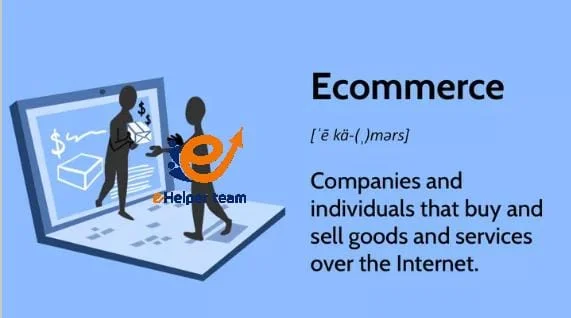
At its core, e-commerce — or electronic commerce — refers to the exchange of goods and services via the internet. It involves processes such as online marketing, payment systems, logistics, and data analytics, creating a seamless digital experience for users. By 2025, global e-commerce sales are expected to surpass 6.5 trillion USD, showing just how deeply it influences world trade.
If you’re new to the concept, understanding the different Types of E- Commerce is essential. These categories reveal how various entities interact in the online marketplace and what makes each model unique. To start with, you might want to learn how to select the most suitable digital platform for your business through this detailed guide on choosing an e-commerce platform.

What Is E-Commerce and How Does It Work?
Before exploring the different types of e-commerce, it’s crucial to understand how this digital model functions. At its simplest, Different Types of E- E-Commerce connects buyers and sellers through websites, apps, and social media. The transaction process typically includes:
A customer discovers a product online.
Adding the item to a virtual cart and paying through secure gateways.
The business is processing and shipping the order.
The product is being delivered or downloaded digitally.
Modern e-commerce systems depend on reliable technology infrastructure — from secure payment solutions like PayPal or Stripe to robust content management systems such as Shopify or WooCommerce. The growing use of artificial intelligence has also improved personalization, helping businesses predict buying behavior and offer customized recommendations.
Furthermore, blockchain integration adds transparency and traceability to supply chains, making e-commerce more trustworthy than ever.
In short, e-commerce works by eliminating physical barriers and allowing businesses to reach customers globally, anytime and anywhere. This accessibility and automation are the driving forces behind its continuous growth.
The Different Types of E-Commerce
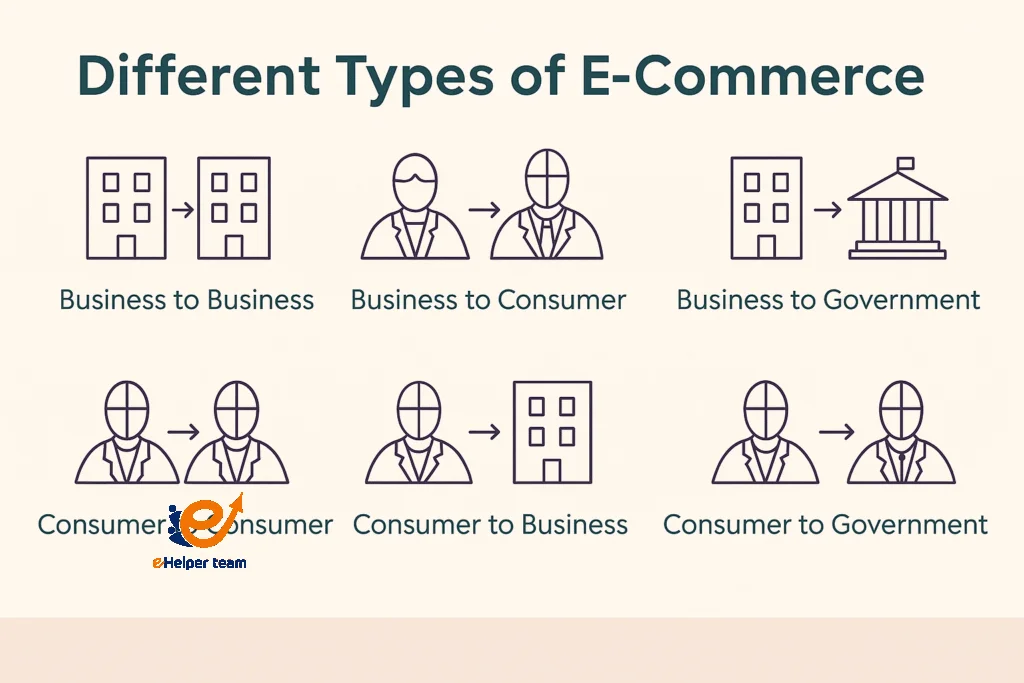
The term different types of e-commerce refers to the various models that define who is selling, who is buying, and how transactions are structured. Understanding these types is vital for entrepreneurs looking to position themselves in the digital market.
- Business-to-Business (B2B)
In a B2B model, transactions occur between two companies. For example, a manufacturer selling raw materials to a retailer falls into this category. B2B operations usually involve high-volume sales and long-term relationships.
To better understand how businesses operate in this environment, you can explore Business-to-Business (B2B) models, which highlight the structure, evolution, and future of inter-company commerce.
- Business-to-Consumer (B2C)
This is the most recognizable model, where businesses sell directly to end consumers. Online retail stores like Zara, streaming services like Netflix, or marketplaces such as Amazon all operate under the B2C model.
Today, the B2C world is driven by convenience and technology — mobile shopping, voice search, and digital wallets are redefining how people make purchases. You can read more about this model in the article on online Business-to-Consumer (B2C), which outlines several key examples and success strategies.
- Consumer-to-Consumer (C2C)
The C2C model connects individuals directly, allowing consumers to sell to other consumers through digital platforms like eBay, Etsy, or Facebook Marketplace. It represents the foundation of the sharing economy, giving individuals the tools to turn hobbies into income sources.
For further real-life insights, you can check examples of Consumer-to-Consumer models that showcase how peer-to-peer commerce has evolved into a major trend in digital trade.
- Consumer-to-Business (C2B)
This model reverses traditional roles. Instead of companies selling to consumers, individuals provide services or products to businesses. Freelancers, digital creators, and influencers commonly participate in C2B e-commerce through platforms like Fiverr or Upwork.
Government-Related E-Commerce (B2G & C2G)
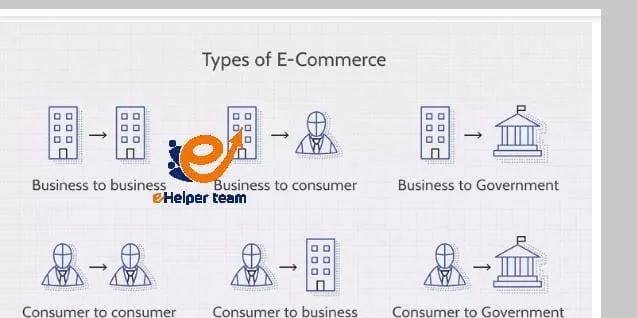
Governments are increasingly digitizing their operations. Businesses can now bid on contracts or supply goods through B2G portals, while citizens make tax payments or renew documents online via C2G systems. These systems enhance transparency and simplify administrative processes.
Together, these categories demonstrate the flexibility and depth of the digital marketplace. Each model serves a unique function and contributes to a more efficient, inclusive, and globally connected economy.
The Global Impact of Different Types of E-Commerce
The different types of e-commerce have collectively reshaped the global economy. What once required large investments in physical infrastructure can now be achieved with a website and a digital marketing plan.
E-commerce has democratized access to global trade, allowing even small businesses from developing countries to compete internationally. Automated supply chains, smart logistics, and digital payment solutions have made it possible to operate with minimal resources but maximum reach.
Furthermore, sustainability and data-driven decision-making now define success. Online retailers increasingly adopt eco-friendly packaging and responsible sourcing to appeal to ethical consumers. Artificial intelligence helps predict market trends and consumer behavior, improving efficiency and reducing waste.
Governments are also modernizing policies to support cross-border e-commerce, simplifying international transactions. Subscription services, digital product marketplaces, and influencer-driven marketing are all results of this evolution.
The influence of these different types of e-commerce extends beyond profits — it’s shaping how societies consume, how economies grow, and how innovation spreads across borders.
Future Trends Shaping the Different Types of E-Commerce
The different types of e-commerce are continuously evolving, driven by rapid technological innovation and changes in consumer behavior. As of 2025, several emerging trends are redefining how online business works and how consumers interact with digital platforms.
1. Artificial Intelligence and Automation
AI is transforming every layer of Different Types of e-commerce, from chatbots that provide instant support to recommendation engines that tailor the shopping experience. Retailers are using AI to predict inventory demand, personalize marketing campaigns, and even optimize pricing in real time. Automation tools now handle logistics, email marketing, and customer follow-ups with minimal human involvement.
2. Voice and Visual Search
With the rise of smart devices like Alexa and Google Home, voice commerce is becoming a significant part of different types of e-commerce transactions. Consumers now use voice commands to find products, compare prices, and make purchases. Similarly, visual search technology allows users to upload images to find similar items online, revolutionizing the product discovery process across different types of e-commerce landscapes.
3. Augmented and Virtual Reality
The use of AR and VR technologies is making the online shopping experience more interactive. Customers can now visualize furniture in their homes, try on clothes virtually, or even explore real-time product demos before making a purchase. These immersive experiences help bridge the gap between physical and online shopping.
4. Sustainable Commerce
Environmental awareness is now a major factor influencing purchasing decisions. E-commerce companies are adapting by reducing packaging waste, supporting local sourcing, and promoting carbon-neutral shipping. Brands that integrate sustainability into their operations build stronger trust and long-term customer loyalty.
5. Social Commerce
Platforms like Instagram, TikTok, and Pinterest are merging content with commerce. Influencer marketing has evolved into shoppable content, where users can buy directly from a video or post. This blend of entertainment and sales is particularly effective for younger audiences and niche brands.
In summary, the future of e-commerce lies in personalization, interactivity, and sustainability. Businesses that embrace these trends are more likely to thrive in the digital marketplace.
Challenges and Opportunities in E-Commerce
While the different types of e-commerce provide enormous opportunities, they also come with challenges that require strategic thinking and technological readiness.
1. Cybersecurity and Data Protection
With the increase in online transactions, cybersecurity threats are also rising. Protecting customer data has become one of the top priorities for businesses. Companies must comply with privacy regulations such as GDPR and implement secure payment systems to maintain trust.
2. Logistics and Supply Chain Management
Despite technological advancements, logistics remain a complex challenge, especially in cross-border trade within different types of e-commerce. Delays, high shipping costs, and inventory mismanagement can impact customer satisfaction. However, automation and AI-driven supply chains across the different types of e-commerce are helping to address these issues, improving efficiency, speed, and overall reliability in global transactions.
3. Market Competition
Different Types of E-Commerce, the market is more crowded than ever. Competing against giants like Amazon or Alibaba requires a strong brand identity, excellent user experience, and niche marketing. Businesses need to focus on value differentiation and customer retention rather than price wars.
4. Customer Expectations
Modern consumers expect fast delivery, personalized experiences, and 24/7 support. Failure to meet these expectations can lead to lost sales and negative reviews. Successful brands are those that integrate customer feedback loops and use analytics to enhance satisfaction.
5. Payment and Currency Issues
Global e-commerce faces challenges related to currency conversion, transaction fees, and regional payment preferences. Emerging technologies like cryptocurrencies and digital wallets offer solutions, but still require broader adoption and regulatory clarity.
Despite these challenges, e-commerce continues to grow because of its flexibility and scalability. Every obstacle also presents an opportunity for innovation — from improving digital security to developing new delivery models.
Frequently Asked Questions (FAQs)
1. What is the meaning of e-commerce?
Different Types of E- E-Commerce refers to buying and selling products or services over the internet using digital platforms.
2. What are the different types of e-commerce?
The main types are Business-to-Business (B2B), Business-to-Consumer (B2C), Consumer-to-Consumer (C2C), Consumer-to-Business (C2B), and Government-related models like B2G and C2G.
3. Which e-commerce model is most popular in 2025?
The B2C model remains the most popular due to its direct interaction with end consumers and massive retail growth through mobile apps and social platforms.
4. How has AI impacted e-commerce?
AI has automated personalization, pricing, and customer service, enhancing the efficiency and engagement level of digital shopping.
5. What are the biggest challenges facing e-commerce businesses today?
Cybersecurity threats, logistics management, customer expectations, and intense competition are among the top challenges.
6. How do small businesses benefit from e-commerce?
E-commerce allows small businesses to reach global audiences with minimal investment, reducing the need for physical stores.
7. What is the role of sustainability in e-commerce?
Sustainability helps brands appeal to eco-conscious consumers and strengthens brand loyalty through responsible practices.
8. How do payment gateways ensure secure transactions?
Payment gateways encrypt data and use secure socket layers (SSL) to protect sensitive information during transactions.
9. What are the future trends expected in e-commerce?
Key trends include AI integration, AR/VR shopping experiences, voice commerce, and eco-friendly logistics solutions.
10. Can anyone start an e-commerce business?
Yes, with the right tools, digital marketing strategy, and understanding of the different types of e-commerce, anyone can launch an online business successfully.
Conclusion
Different Types of E- Commerce, have become a global phenomenon that redefines how trade functions. Understanding the Different Types of e-commerce is essential for entrepreneurs, investors, and consumers who want to succeed in the digital marketplace.
Different Types of E- Commerce, From B2B collaborations to influencer-driven C2B models, every form of e-commerce contributes to the expansion of digital trade. The key to future success lies in adapting to change — leveraging new technologies, enhancing user experiences, and maintaining trust.