Email Marketing campaign tools – Top 3 tools ever
In today’s digital marketing world, email marketing campaigns are essential for building strong connections with your audience and driving business growth. Effective email marketing tools help businesses send personalized emails, track campaign performance, and improve customer engagement. But with so many options available, how do you choose the best tool for your needs?
In this article, we’ll explore the top 3 email marketing campaign tools that can take your marketing efforts to the next level. From easy-to-use platforms like Mailchimp to powerful automation tools like ActiveCampaign, we’ll break down their features and help you determine which one fits your business needs.
For a deeper dive into the best email marketing tools, check out this Best Email Marketing Campaign Tools.

What Are Email Marketing Campaign Tools?
Before diving into specific tools, it’s essential to understand what email marketing campaign tools are. These tools are platforms designed to manage and optimize email marketing campaigns. They provide businesses with everything they need to:
Build and manage email lists
Create personalized email campaigns
Automate email sending
Analyze email performance (open rates, click-through rates, etc.)
By using these tools, marketers can send targeted, data-driven emails that lead to higher engagement and conversion rates. Let’s take a look at the best options available.
Top 3 Email Marketing Campaign Tools You Should Use
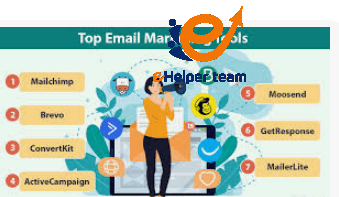
1. Mailchimp: The All-Rounder
Mailchimp is one of the most popular and user-friendly email marketing campaign tools. Known for its easy-to-navigate interface, it offers both free and paid plans. Some of its key features include:
Drag-and-drop email builder: You can create beautiful emails without needing any design experience.
Audience segmentation: Target specific groups of people based on their interests or behaviors.
Analytics: Track campaign performance to measure open rates, click rates, and more.
Mailchimp is a great choice for beginners and small businesses who need an easy-to-use, affordable option. Learn more about it in our Best Email Marketing Companies.
2. ConvertKit: The Email Marketing Automation Expert
If you’re looking for an advanced tool that specializes in email marketing automation, ConvertKit is a great choice. Perfect for bloggers and creators, it allows users to automate email sequences based on user behavior and interests. Key features include:
Automation workflows: Set up automatic email responses based on user actions like opening an email or clicking a link.
Segmentation: Create tags for subscribers to personalize your messages further.
Subscriber management: Easily import and manage your email list, ensuring your communications reach the right people.
For a more in-depth overview of ConvertKit, check out our article on the Top Best Email Campaign Examples.
ActiveCampaign: The Power of Email Marketing Automation
ActiveCampaign takes email marketing to the next level with its combination of email marketing, automation, and customer relationship management (CRM). It’s ideal for businesses that want an all-in-one marketing solution. Some of its standout features include:
Advanced automation: Automate entire campaigns from welcome emails to customer re-engagement.
CRM integration: Integrate your email marketing campaigns with customer data for more personalized communications.
Real-time reporting: Measure success in real time with detailed reports and metrics.
For companies looking for a comprehensive email marketing platform, ActiveCampaign is a top contender. Explore more about ActiveCampaign in our article on Email Marketing Strategy.
How to Choose the Right Email Marketing Tool?
With so many options out there, selecting the best email marketing campaign tool for your business can be overwhelming. However, there are a few key factors to consider when making your decision:
Budget: Some tools offer free plans (like Mailchimp), while others, such as ActiveCampaign and ConvertKit, come with subscription fees. Consider your business size and the number of emails you plan to send.
Features: Does the tool offer the automation features you need? Can it integrate with your CRM or other marketing platforms?
Ease of Use: Choose a tool with an interface that’s easy for your team to navigate and use.
Customer Support: Ensure that you have access to timely customer support when needed.
Why Email Marketing Campaigns Are Crucial for Business Growth?
Despite the rise of social media and paid advertising, email marketing campaigns remain one of the most effective ways to reach and engage your audience. Here’s why:
Personalization: With email marketing tools, you can segment your audience and send tailored messages that resonate with each recipient, increasing the chances of conversion.
Cost-effectiveness: Email campaigns are relatively inexpensive compared to traditional forms of marketing (TV, radio, etc.).
Measurable results: These tools provide detailed analytics, allowing you to track success and adjust strategies accordingly.
By incorporating email marketing into your overall marketing strategy, you can build lasting relationships with customers, boost sales, and enhance brand loyalty.
Top Features of the Best Email Marketing Tools
When evaluating email marketing campaign tools, make sure the platform you choose offers the following essential features:
Automation: The ability to set up automated workflows is crucial for saving time and sending timely messages to subscribers.
Personalization: Advanced segmentation options allow you to send targeted emails based on user behavior, demographics, or preferences.
Analytics and Reporting: Make sure the tool offers detailed reports that track your campaign’s effectiveness, such as open rates, click-through rates, and more.
Integrations: Look for tools that integrate with other platforms (CRM systems, social media, e-commerce sites) for seamless marketing campaigns.
How to Maximize the Effectiveness of Your Email Marketing Campaigns
To truly leverage the power of email marketing campaign tools, you need to implement strategies that will maximize your engagement and conversion rates. Here are some actionable tips:
Segmentation is Key: Rather than sending the same email to your entire list, segment your audience based on demographics, purchasing behavior, or engagement levels. This will allow you to send more targeted emails that resonate with each group.
A/B Testing: Regularly test different elements of your emails, such as subject lines, CTAs (calls-to-action), and even the email layout. A/B testing helps you identify what works best with your audience.
Clear and Engaging Content: Create compelling, relevant, and valuable content. Make sure your emails are visually appealing and include a clear CTA, guiding readers toward the action you want them to take.
Optimizing for Mobile: With more people checking emails on mobile devices, it’s essential to ensure that your emails are responsive and look good on smartphones and tablets.
The Role of Analytics in Email Marketing Campaigns
Analytics is a vital part of measuring the success of your email marketing campaigns. Here are the key metrics to track:
Open Rate: This tells you how many recipients opened your email. A low open rate may suggest that your subject lines are not compelling enough or that your emails are ending up in spam folders.
Click-Through Rate (CTR): This measures how many recipients clicked on a link within the email. High CTR indicates that your content is engaging and your calls-to-action are effective.
Conversion Rate: This tracks how many recipients took the desired action, such as making a purchase, signing up for a webinar, or downloading a resource. It’s one of the most crucial metrics as it directly measures the success of your campaign.
Most email marketing tools, like Mailchimp, ActiveCampaign, and ConvertKit, provide detailed reporting that allows you to monitor these metrics and make necessary adjustments.
How to Integrate Email Marketing with Other Digital Channels?
While email marketing is a powerful standalone tool, integrating it with other digital marketing channels can yield even greater results. Here’s how:
Social Media Integration: Use your email marketing tools to automatically share your email content on platforms like Facebook, Instagram, and Twitter. This helps you extend your reach beyond your email list.
Website Integration: Many tools allow you to integrate your email campaigns with your website’s forms, enabling you to grow your email list directly through your site. This is especially useful for e-commerce businesses or lead-generation websites.
CRM Integration: Connect your email marketing platform with your CRM to gain more insights into customer behavior. This allows for hyper-targeted email campaigns that can help with customer retention and sales.
Top 5 Benefits of Using Email Marketing Tools for Your Business
Here are the top five benefits of using email marketing tools for your business:
Higher ROI: Email marketing continues to offer one of the highest returns on investment of any digital marketing strategy.
Targeted Campaigns: With advanced segmentation and personalization features, email marketing tools allow you to create highly targeted campaigns that resonate with your audience.
Automation: These tools automate the process of sending emails, saving you time while ensuring timely and relevant messages are delivered to your subscribers.
Scalability: Whether you’re a small business or a large enterprise, email marketing tools scale with your needs. You can send thousands of emails at once without worrying about the technical details.
Real-time Results: Most tools offer real-time analytics, allowing you to track the performance of your campaigns as they happen, so you can adjust and improve on the fly.
Frequently Asked Questions (FAQs) About Email Marketing Tools
Q1: What is the best email marketing tool for beginners?
A1: For beginners, Mailchimp is one of the best options due to its user-friendly interface, free plan, and basic email automation features. It’s easy to get started, even with no prior email marketing experience.
Q2: Can I use these tools for email automation?
A2: Yes, tools like ConvertKit and ActiveCampaign are designed specifically for email automation. You can set up automated workflows to send emails based on specific user actions, such as signing up for your newsletter or abandoning a shopping cart.
Q3: How much do email marketing tools cost?
A3: Pricing varies depending on the tool and the number of subscribers on your list. Mailchimp offers a free plan, while ConvertKit and ActiveCampaign have paid plans starting from $15/month and $29/month, respectively. Always check the pricing page of each platform for specific details.
Q4: Are these tools suitable for small businesses?
A4: Yes! All three tools (Mailchimp, ConvertKit, and ActiveCampaign) offer plans that cater to small businesses. You can start with free or low-cost plans and upgrade as your business grows.
Q5: How do I track the performance of my email marketing campaigns?
A5: You can track the performance of your campaigns through the built-in analytics provided by each platform. ActiveCampaign, for example, provides detailed reports on open rates, click-through rates, and conversions.
Q6: Are these tools GDPR-compliant?
A6: Yes, all three platforms—Mailchimp, ConvertKit, and ActiveCampaign—are GDPR-compliant. They help you manage email subscribers in accordance with data protection regulations in Europe.
Q7: Can I design my emails from scratch?
A7: Yes, most email Marketing campaign tools offer drag-and-drop builders that let you design emails from scratch. For example, Mailchimp and ActiveCampaign have intuitive email design editors, making it easy to create custom layouts.
Q8: How do I grow my email list?
A8: You can grow your email list by offering incentives such as free downloads, discounts, or exclusive content in exchange for subscribers’ email addresses. Also, ensure your website has clear sign-up forms and use lead-generation pop-ups to capture new subscribers.
Q9: How often should I send emails?
A9: The frequency of emails depends on your audience and the type of business you have. A good rule of thumb is to send one email per week or bi-weekly, depending on how much value you have to share with your subscribers.
Q10: What is email list segmentation?
A10: Email list segmentation involves dividing your email list into smaller groups based on specific criteria such as demographics, purchase history, or engagement levels. This allows you to send more personalized, relevant emails to each group, which can improve engagement and conversion rates.
Conclusion
Despite the rise of social media and other digital marketing channels, Email Marketing campaign tools are one of the most effective tools for reaching and engaging your audience. With the help of powerful tools like Mailchimp, ActiveCampaign, and ConvertKit, you can create personalized, automated campaigns that not only save time but also boost conversions.
By choosing the right tool, understanding your audience, and optimizing your email marketing strategy, you can unlock the full potential of email marketing and drive sustained business growth.