Sitemap function And How do you create a sitemap for your site
In today’s digital landscape, competition for visibility is fiercer than ever. Every website, whether small or enterprise-level, fights for its place on search engine results pages (SERPs). One of the most reliable ways to gain an edge is by leveraging the sitemap function.
A sitemap acts like a structured blueprint of your website. It helps search engines identify which pages exist, how they connect, and which ones deserve priority indexing. In simple terms, it’s a communication channel between your website and Google.
In 2025, search engines are smarter, but they still rely heavily on structured signals like sitemaps. Without one, even high-quality content may remain invisible. According to SEO basics for beginners in 2025, a sitemap is no longer optional—it’s a necessity for any site aiming to rank.


Understanding the Sitemap Function in SEO
The sitemap function is the backbone of modern SEO. While your website may appear fine to human visitors, search engine bots need guidance to explore it effectively. That’s where the sitemap comes in—it gives bots a structured roadmap.
Benefits of the Sitemap Function
Efficient Crawling: Search bots find new and updated content faster.
Indexing Priority: You can guide Google to prioritize critical pages.
Reduced Crawl Errors: Eliminates issues caused by dead ends or broken links.
Support for Multimedia: Modern sitemaps include images, videos, and news articles.
Improved User Reach: Indirectly improves your chances of ranking higher.
As explained in optimizing websites for crawling, proper sitemaps ensure search engines spend less time guessing and more time indexing valuable content.
Example: Imagine running an online magazine. Without a sitemap, your latest articles might take weeks to show up on Google. With a sitemap, they could appear within hours.
Types of Sitemaps: XML vs HTML
Sitemaps come in different formats, each serving a unique purpose.
1. XML Sitemaps
Audience: Search engines.
Purpose: Provide structured, machine-readable information.
Use Case: Large websites, e-commerce platforms, or sites with frequent updates.
2. HTML Sitemaps
Audience: Human users.
Purpose: Act as a navigation tool for visitors.
Use Case: Blogs, informational sites, or any platform where improved usability matters.
The article on why you need a sitemap before building your website emphasizes that XML sitemaps are crucial for SEO, while HTML sitemaps are beneficial for improving user experience.
Best Practice: Use both XML and HTML. XML ensures visibility in search engines; HTML improves accessibility for your readers.
Step-by-Step Guide: How to Create a Sitemap for Your Site
Many people assume creating a sitemap is technical, but modern tools simplify the process.
Steps to Create a Sitemap:
Choose a Generator Tool
WordPress: Use plugins like Yoast SEO or Rank Math.
Non-WordPress: Try Screaming Frog or XML-sitemaps.com.
Structure Your Website Logically
Organize content into categories, subcategories, and individual pages.
Generate the XML File
Export your URLs into a
.xmlfile.
Upload to the Root Directory
Example:
https://yourdomain.com/sitemap.xml.
Test the Sitemap
Validate it using Google Search Console to check for errors.
By following these steps, your sitemap function becomes active, helping search engines understand your website structure instantly.
Submitting Your Sitemap to Search Engines
Creating a sitemap isn’t enough—you need to notify search engines.
How to Submit:
Google Search Console:
Navigate to “Sitemaps,” paste your URL, and hit submit.Bing Webmaster Tools:
Go to “Configure My Site” and submit the sitemap.Other Search Engines:
While some auto-detect, manual submission ensures accuracy.
According to Google services for webmasters, submitting your sitemap is one of the simplest ways to speed up indexing and maintain site visibility.
Common Sitemap Mistakes and How to Avoid Them
Even experienced site owners sometimes misuse sitemaps. Avoid these mistakes:
Including Broken Links
Keep your sitemap clean—no dead pages.
Oversized Files
Limit: 50,000 URLs per file. Split into smaller sitemaps if necessary.
Failure to Update
Always refresh your sitemap after adding or deleting content.
Blocking Pages
Don’t restrict valuable pages in robots.txt.
Avoiding these mistakes ensures your sitemap function supports rather than harms your SEO efforts.
Advanced Tips: Optimizing Your Sitemap for Better Rankings
Once your sitemap is set up, optimization is the next step.
Use Priority Tags: Highlight important pages.
Leverage Last Modified Dates: Helps search engines spot recent updates.
Add Media Sitemaps: For sites heavy in images and videos.
Monitor Regularly: Use Google Search Console to track indexing status.
For instance, improving image ranking becomes easier when you use dedicated image sitemaps that highlight visual content.
The Role of Sitemaps in Mobile-First Indexing
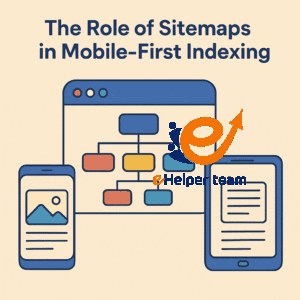
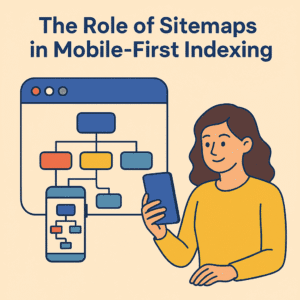
Since Google switched to mobile-first indexing, the sitemap function has become even more critical. Mobile-first means that Google primarily uses the mobile version of a website for crawling and ranking. If your sitemap doesn’t accurately reflect the mobile structure of your site, some pages may remain hidden.
Best Practices:
Ensure mobile and desktop URLs are both included in your sitemap if they differ.
Use responsive design and avoid duplicate content.
Validate mobile performance using Google Search Console.
By aligning your sitemap with mobile-first indexing, you guarantee that all mobile users can find your content easily.
Sitemaps and E-Commerce Websites
E-commerce platforms with thousands of product pages benefit the most from the sitemap function. Without a sitemap, many products—especially those buried deep in categories—remain undiscovered.
Tips for E-commerce Sitemaps:
Create separate sitemaps for products, categories, and blog content.
Include only canonical versions of product pages.
Regularly update the sitemap as products go in and out of stock.
This structured approach ensures that search engines always find the latest inventory, improving both rankings and sales.
Sitemaps for International and Multilingual Websites
Websites serving multiple regions and languages need specialized sitemaps. The sitemap function allows the use of hreflang annotations, which signal to Google which language version to show users.
Example:
If your site offers English, Arabic, and French versions, your sitemap can specify the correct language for each audience.
Benefits:
Prevents duplicate content issues.
Directs users to the right language automatically.
Strengthens global SEO performance.
The Connection Between Sitemaps and Core Web Vitals
Google’s Core Web Vitals—metrics like loading speed, interactivity, and visual stability—are now official ranking factors. A well-structured sitemap can help bots discover the pages that already meet these performance standards.
By prioritizing optimized pages in your sitemap, you increase the likelihood of better rankings. This makes the sitemap function not just a technical tool, but a performance-driven strategy.
How Artificial Intelligence Impacts Sitemaps in 2025
With AI tools powering search engines, the sitemap function is evolving. In 2025, AI-driven crawlers rely heavily on structured signals to interpret site relevance and intent.
AI uses sitemaps to prioritize context-rich content.
Enhanced metadata in sitemaps helps AI understand multimedia better.
Smart sitemaps that adapt dynamically to site changes are becoming popular.
Example: Some CMS platforms now generate AI-powered sitemaps that adjust based on content engagement.
Case Study: How a Sitemap Boosted Rankings
A mid-sized e-commerce store selling electronics struggled with slow indexing. After creating a well-structured XML sitemap and submitting it to Google Search Console, their new products started appearing in SERPs within 24–48 hours instead of weeks.
Results:
40% faster indexing of new product pages.
30% increase in organic traffic within three months.
Improved rankings for category pages due to better crawl efficiency.
This real-world case highlights how critical the sitemap function can be in driving measurable SEO improvements.
Tools and Resources for Sitemap Management
For long-term success, continuous sitemap monitoring is key. Popular tools in 2025 include:
Google Search Console – Best for submitting and monitoring indexing status.
Screaming Frog SEO Spider – Useful for crawling large websites.
Ahrefs Webmaster Tools – Provides in-depth reports about sitemap efficiency.
Yoast SEO / Rank Math – Ideal for WordPress users.
These tools help you maintain a healthy sitemap, catch errors early, and keep your SEO strategy on track.
FAQs About the Sitemap Function
Q1: Do all websites need a sitemap?
Not always. Small static websites may not require one, but in 2025, nearly all sites benefit from having a sitemap.
Q2: How often should I update my sitemap?
Update it whenever you add, delete, or significantly change content.
Q3: Does a sitemap guarantee higher rankings?
No, but it ensures your content gets discovered and indexed faster, which indirectly improves rankings.
Q4: Can I have multiple sitemaps?
Yes. For large websites, it’s common to split into multiple sitemaps and use an index file.
Q5: What’s the difference between robots.txt and sitemap.xml?
Robots.txt restricts crawler access, while a sitemap guides crawlers to content.
Q6: Should images and videos be in a sitemap?
Yes. Including media helps improve visibility in Google Images and YouTube results.
Conclusion
The sitemap function is now a cornerstone of SEO success. As search engines become more advanced, a well-structured sitemap ensures your site is indexed faster and ranked higher.
Whether you manage a blog, corporate website, or online store, maintaining a sitemap in 2025 is one of the smartest SEO investments you can make.