How Retargeting on Facebook ads are implemented?
In the fast-paced digital landscape of 2025, retargeting on Facebook continues to be one of the most powerful advertising methods for brands aiming to increase conversions and engagement. This technique focuses on re-engaging users who have already shown interest in your products or services but didn’t take action — such as completing a purchase or signing up.
Unlike cold campaigns, Facebook retargeting leverages behavioral data to serve personalized ads that remind potential customers of what they left behind. It’s not just about following users around the internet — it’s about intelligently reconnecting with them at the right moment with the right message.
“Research indicates that retargeting ads can increase conversion rates by up to 70%, especially when supported by AI-driven optimization and personalized creatives. Marketers looking for more insights can explore comprehensive guides on Facebook audience segmentation and campaign setup essentials.”
Let’s explore how retargeting on Facebook ads is implemented in 2025 and what strategies you can use to maximize results.


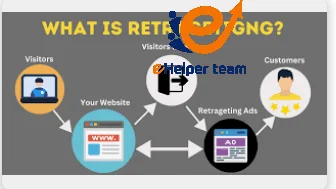
How Retargeting on Facebook Ads Is Implemented – Step-by-Step Framework
Implementing Retargeting on Facebook requires both technical accuracy and strategic creativity. Below is the modern step-by-step framework professionals follow today:
- Install and Configure the Facebook Pixel
“The Facebook Pixel is the foundation of every successful retargeting campaign. This piece of code tracks user actions on your website, from page views to product interactions. Once installed, it helps you understand who’s engaging and what actions they take. For beginners, there are many helpful guides available that walk you through the Facebook Pixel setup to ensure you track the right conversion events and resolve any pixel-related issues.
- Create Custom Audiences
After collecting sufficient data, create Custom Audiences in Meta Ads Manager. You can segment them based on:
Website visitors over a defined time frame (30–180 days)
People who viewed a specific page or product
Users who engaged with your Facebook or Instagram content
These audiences enable laser-focused retargeting — ensuring your ads reach people who are most likely to take action.
- Design Personalized and Dynamic Ads
Personalization is the key. Dynamic Product Ads (DPAs) automatically show users the exact products they viewed earlier, paired with personalized copy and strong calls to action like “Still interested?” or “It’s waiting in your cart!”
- Optimize Frequency and Budget
Avoid ad fatigue by setting frequency caps and continuously testing ad performance. Facebook’s algorithm can automatically adjust delivery to maximize ROI based on user response patterns.
By following this system, brands can ensure that retargeting on Facebook is implemented strategically, effectively, and with long-term scalability in mind.
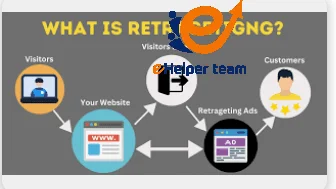
Understanding the Core Mechanism of Facebook Retargeting
To truly understand how retargeting on Facebook works, it’s important to break down the underlying mechanism that powers this advertising system. Unlike traditional advertising methods that target broad audiences, retargeting focuses on specific behavioral triggers.
- Data Collection through User Behavior
When a visitor lands on your website, Facebook’s pixel records their activity. For example:
Which pages they visited
How long did they stay
Whether they added items to their cart
If they initiated checkout but didn’t complete the purchase
This information is stored securely and used to build “warm audiences” — users already familiar with your brand.
- Audience Segmentation
Once data is collected, Facebook’s algorithm groups these users into actionable segments, such as “Added to Cart,” “Viewed Content,” or “Initiated Checkout.” This segmentation allows advertisers to tailor specific messages for each stage of the customer journey.
For example:
Users who viewed a product but didn’t buy might see a discount offer ad.
Users who abandoned their carts could receive a reminder ad with urgency-driven copy like “Your item is almost sold out!”
- Integration with Other Ad Channels
“Retargeting isn’t limited to Facebook alone. By using ad networks, you can extend your retargeting campaigns to platforms like Instagram, Messenger, and external partner sites, amplifying reach and ensuring consistent brand exposure. For marketers looking to balance cross-channel strategies, Google AdWords vs Facebook Ads offers valuable insights into how different systems complement one another.”
In essence, Retargeting on Facebook relies on precision targeting, intelligent automation, and behavioral analysis — allowing businesses to focus their ad spend on audiences most likely to convert.
Best Practices for Running High-Performance Facebook Retargeting Campaigns
While retargeting is powerful, executing it effectively requires continuous testing, optimization, and alignment with evolving privacy standards. Below are the best practices leading marketers follow in 2025.
- Segment Audiences by Funnel Stage
Not all users are the same. Break down your audiences into:
Top of Funnel (TOFU) – people who visited your site but didn’t engage deeply.
Middle of Funnel (MOFU) – users who browsed multiple pages or interacted with posts.
Bottom of Funnel (BOFU) – visitors who added products to cart or initiated checkout.
Each segment requires different messaging — educational for TOFU, persuasive for MOFU, and urgency-based for BOFU.
- Refresh Creative Regularly
Ad fatigue is real. Rotate creatives every two weeks and experiment with video, carousel, and collection formats. High-performing brands use sequential storytelling — showing users a narrative series of ads that build interest and trust over time.
- Use A/B Testing for Optimization
Test variations in copy, visuals, and CTA buttons to identify what resonates best. Keep track of performance metrics such as CTR, CPC, and conversion rate to inform your scaling decisions.
- Maintain Privacy and Transparency
In the post-iOS 17 era, transparency is key. Make sure your website clearly communicates cookie usage and data tracking policies. Ethical retargeting practices not only ensure compliance but also build long-term consumer trust.
When applied consistently, these best practices make retargeting on Facebook an adaptive and sustainable marketing engine that delivers measurable results.
Analyzing Retargeting Performance Metrics for Continuous Improvement
Once your campaign is live, the real work begins — analyzing and optimizing your Retargeting on Facebook ads. In 2025, performance analysis is data-driven, visual, and powered by Meta’s AI insights dashboard.
Key Metrics to Track
Tracking the right metrics ensures your retargeting campaigns deliver real business results, not just vanity numbers. The most important metrics include:
CTR (Click-Through Rate): Indicates how engaging your ad creative and message are.
CPC (Cost per Click): Helps monitor efficiency — lower CPC means higher ad quality relevance.
ROAS (Return on Ad Spend): The ultimate profitability metric.
Conversion Rate: Shows how many retargeted users completed the desired action.
Frequency: Measures how often users see your ad, helping prevent fatigue.
Using Meta Ads Manager Reports
The updated Meta Ads Manager 2025 now provides AI-powered breakdowns, allowing marketers to pinpoint which audience segments respond best to which creatives. For example, you might find that video ads perform 45% better for abandoned-cart audiences.
Integrating Third-Party Analytics
While Facebook’s tools are powerful, integrating Google Analytics 4 (GA4) and CRM systems provides a more holistic view of your funnel. You can attribute conversions more accurately, especially when users switch devices or browsers.
- Optimization Based on Insights
Once patterns emerge, apply these optimization techniques:
Pause underperforming ads and reallocate the budget to top performers.
Refresh creatives with declining CTR.
Retarget deeper funnel audiences who show purchase intent but no action.
Test new offers or incentives, like limited-time discounts or free shipping.
Consistent analysis ensures your Retargeting on Facebook campaigns remain cost-efficient and conversion-driven, adapting to both audience behavior and algorithmic changes.
Common Mistakes in Facebook Retargeting and How to Fix Them
Even experienced advertisers make errors when implementing retargeting on Facebook campaigns. Below are the most frequent pitfalls — and practical ways to fix them.
- Mistake: Overlapping Audiences
When you run multiple campaigns targeting similar groups, you risk audience overlap, which increases competition and CPC.
Fix: Use Meta’s Audience Overlap Tool to identify duplication and exclude overlapping audiences from each campaign.
- Mistake: Ignoring Ad Frequency
If users see the same ad too many times, they stop paying attention or even hide your ad.
Fix: Limit frequency to 3–5 impressions per week. Rotate ad creatives every 10–14 days to keep engagement fresh.
- Mistake: Neglecting Exclusion Lists
Many advertisers forget to exclude people who have already converted — wasting ad spend.
Fix: Always create exclusion audiences like “Purchasers in the last 30 days.”
- Mistake: Poor Creative-Offer Alignment
A mismatch between creative and offer (e.g., showing a generic product image instead of the exact one the user viewed) reduces conversions.
Fix: Implement Dynamic Product Ads (DPAs) to automatically align visuals and offers with user activity.
- Mistake: Ignoring Privacy and Data Transparency
Failure to comply with consent regulations (GDPR, CCPA, iOS 17 updates) can hurt credibility.
Fix: Display clear cookie notices, use Consent Mode, and respect user data preferences.
Learning from these mistakes not only improves campaign ROI but also strengthens customer trust and ad relevance over time.
The Future of Retargeting on Facebook – 2025 and Beyond
The future of retargeting on Facebook is intelligent, privacy-conscious, and creatively personalized. As Meta continues to evolve, advertisers must adapt to the technological and ethical shifts shaping online marketing.
- AI-Powered Personalization
Artificial intelligence now predicts purchase intent with remarkable precision. Instead of relying on basic behavioral rules, Facebook’s AI analyzes signals from multiple channels to predict which users are most likely to buy next.
- Privacy-First Retargeting
As global privacy laws tighten, cookieless tracking and server-side events are becoming the standard. Marketers are transitioning to first-party data collection methods and consent-based remarketing.
- Integration with the Metaverse and AR Ads
Meta is expanding ad placements into immersive environments — meaning future retargeting might include AR try-on experiences or 3D virtual stores inside the Metaverse.
- Predictive Campaign Automation
Automated retargeting campaigns will soon optimize themselves in real-time, adjusting bids, creatives, and placements without manual input. This will allow smaller businesses to compete effectively with enterprise-level advertisers.
The bottom line: The future belongs to marketers who combine human creativity with AI-driven precision while respecting user privacy and building authentic engagement.
For a deeper dive into performance tactics, refer to EHelperTeam’s excellent article on Facebook Retargeting Strategies — a comprehensive breakdown of modern remarketing success factors.
FAQs About Retargeting on Facebook
1. What is Facebook Retargeting?
Facebook Retargeting is a digital marketing strategy that shows ads to users who previously interacted with your business — such as visiting your website, viewing a product, or engaging with a post.
2. How does the Facebook Pixel help in retargeting?
The Facebook Pixel tracks user behavior and allows advertisers to build audiences based on specific actions, enabling precise and effective retargeting.
3. How much budget should I allocate to Retargeting on Facebook?
Experts recommend dedicating 20–30% of your total ad budget to retargeting campaigns for optimal ROI.
4. Can I retarget people on Instagram too?
Yes. Since Facebook and Instagram share the same Meta Ads platform, you can run cross-platform retargeting campaigns seamlessly.
5. What is the ideal ad frequency for retargeting campaigns?
Keep frequency between 3–5 impressions per user per week to avoid ad fatigue while maintaining strong recall.
6. What’s the best ad format for Facebook retargeting?
Carousel and Dynamic Product Ads work best, as they display personalized products users have already viewed.
7. How do privacy updates affect Facebook retargeting?
Privacy updates like iOS 17 limit data tracking. Using server-side events and first-party data ensures better compliance and reliability.
8. How long should I run a retargeting campaign?
A typical campaign runs for 14–30 days, with continuous optimization based on performance analytics.
9. What’s the difference between remarketing and retargeting?
Retargeting primarily involves ad placements, while remarketing often includes email and other re-engagement channels beyond paid ads.
10. Can small businesses benefit from Facebook retargeting?
Absolutely. Retargeting offers a cost-efficient way to maximize conversions by focusing ad spend on warm leads rather than cold audiences.
Conclusion
In 2025, Retargeting on Facebook remains a vital strategy for any brand serious about growth. It transforms passive visitors into active buyers through data-driven targeting, personalized messaging, and AI-enhanced delivery.
From proper pixel setup to performance analysis and future-ready automation, every step you take contributes to higher conversion rates and stronger brand loyalty. The key to success lies in continuous learning, experimentation, and ethical data practices.