How to Submit a Website to DMOZ Open Directory?
Submitting your website to directories has always been a strong way to build credibility and online visibility. One of the most respected directories ever built was the DMOZ Open Directory Project (ODP). Even though the original platform was officially closed, the idea and process of how to submit a Website to DMOZ remains an important learning curve for anyone in SEO.
In 2025, webmasters and SEO professionals still seek to replicate DMOZ’s trusted approach for link building and site validation. Before diving deep, let’s first understand why DMOZ was so impactful and what you can learn from it. To start, check out SEO basics for beginners.
What Is DMOZ and Why Does It Still Matter for SEO
DMOZ, also known as the Open Directory Project, was a massive human-edited directory of the internet. It allowed editors to manually review and approve websites into categorized listings — ensuring only trusted and high-quality content made it through.


Even after the platform was archived, Submit a Website to DMOZ remains a symbolic concept in SEO — representing editorial quality, credibility, and structured web organization.
Here’s why DMOZ’s methodology still matters:
Human Validation: Websites were added based on content merit, not algorithms.
SEO Value: Listings in DMOZ boosted site authority because search engines treated them as trustworthy backlinks.
Structured Categories: Each site was placed within a specific hierarchy, improving discoverability.
The modern SEO world may revolve around Google’s AI ranking systems, but directories inspired by DMOZ’s structure are still relevant — like Curlie.org, BOTW (Best of the Web), and Jasmine Directory.
For a more technical breakdown, read about page speed and its impact on mobile ranking factors in Google search.
How to Submit a Website to DMOZ: Step-by-Step Process
While the original DMOZ site is no longer accepting new submissions, similar directories such as Curlie continue its legacy. The process of submitting a Website to DMOZ can now be understood as the best practice for submitting your website to human-curated directories. For more on website performance, check out this guide on page speed and mobile factors in Google Search.
Step 1: Choose the Right Directory
Start by visiting Curlie.org, the modern version of DMOZ. Search for the most relevant category that matches your website’s niche — e.g., “Business → Marketing → SEO.”
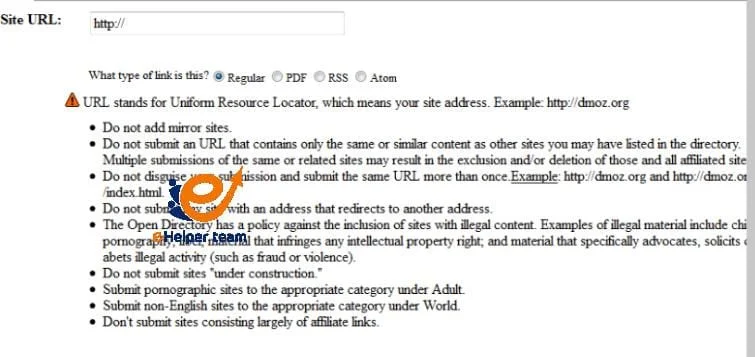
Step 2: Review the Guidelines
Each directory has editorial rules. Could you read them carefully to avoid rejection? The DMOZ-inspired directories prefer original, well-written, and ad-free websites.
Step 3: Prepare Your Submission
Before you submit a Website to DMOZ, ensure:
The homepage loads quickly.
Titles and descriptions are natural and relevant.
Content is free of grammatical errors.
Step 4: Submit Your Site
Once ready, click “Submit URL” or similar. Enter your site title, description, and contact email. Wait for an editor to review your submission.
Step 5: Follow Up
DMOZ editors took weeks or months to approve listings. Modern directories are faster — usually within a few days or weeks.
Pro Tip: Avoid submitting duplicate content or spammy links. Editors reject low-quality submissions instantly.
For a historical guide on how it worked originally, visit How to Add Your Site to DMOZ (Arabic).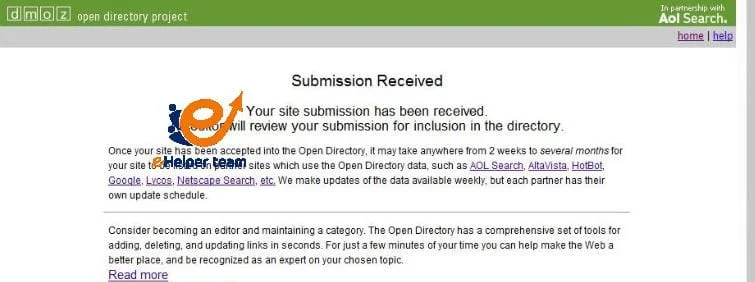
Common Mistakes When Trying to Submit a Website to DMOZ
Many webmasters misunderstand the editorial process and end up facing rejection. Here are the most common mistakes people make when trying to submit a Website to DMOZ (or its modern equivalents):
Wrong Category Selection
Placing your website in an unrelated niche leads to instant rejection. Always browse the most accurate subcategory.Over-Optimization
Keyword stuffing or promotional descriptions appear unnatural. Editors prefer simple, clear summaries.Broken Links or Errors
A single broken link can ruin credibility. Use tools like Screaming Frog or Ahrefs to check your website’s structure before submission.Duplicate Submissions
Repeatedly submitting the same site from different accounts can lead to a permanent ban.Ignoring Quality Guidelines
If your content lacks depth or originality, editors won’t include it. Quality and authenticity are top priorities.
Benefits of Listing on DMOZ for Modern SEO
Although the DMOZ Open Directory Project no longer operates in its original form, the idea behind it continues to impact search engine optimization today. When you Submit a Website to DMOZ or to directories that follow its editorial model, you gain several strategic SEO advantages that are often overlooked.
1. Trust and Authority Building
Search engines have long valued links from trusted sources. Directories inspired by DMOZ — like Curlie.org — act as digital “quality seals.”
When your website is accepted, it signals to search engines that your content has been reviewed by humans and deemed credible. This can indirectly improve your domain authority (DA) and enhance your ranking potential.
2. Referral Traffic
DMOZ listings often generated consistent traffic because users actively browsed directories to find relevant sites. Even today, curated directories attract niche audiences, which means higher conversion potential for your site.
3. Backlink Diversity
Modern SEO emphasizes link diversity, not just quantity. Having backlinks from reputable directories gives your website a natural backlink profile, which Google values for trustworthiness and authenticity.
4. Longevity and Indexing Stability
Unlike paid links that can expire, editorial listings last for years. Many DMOZ-style sites retain archived data indexed by Google, ensuring your site remains discoverable even after years.
To explore related ranking factors, you can read SEO basics for beginners which explains how link credibility influences performance.
Best Alternatives After DMOZ Closure
DMOZ was officially shut down in 2017, but several successors and alternatives have emerged. If you still want to submit a Website to DMOZ, your best approach is to list your site in modern directories that have inherited its principles.
1. Curlie.org (The Official Successor)
Curlie is the direct continuation of the DMOZ project. It uses the same data and structure, but with a modern interface and more active moderation. It’s the top choice for anyone looking to Submit a Website to DMOZ in spirit.
2. Best of the Web (BOTW.org)
BOTW is one of the most reputable directories still active. It focuses on professional and business listings, ensuring quality control similar to DMOZ.
3. Jasmine Directory
This is a paid but selective directory that uses human editors. It’s especially useful for local businesses and content-driven sites.
4. Spoke.com and Aviva Directory
These are alternatives that follow human-curated listing models and offer valuable backlinks from domains with strong trust metrics.
Pro Tip: Always research the domain authority and relevance of any directory before submission. Submitting your site to low-quality or spammy directories can harm your SEO rather than help it.
Expert Tips to Get Your Website Accepted Faster
Submitting to directories might seem simple, but getting approved requires precision and professionalism. Here are expert strategies to help you get listed faster when you submit a Website to DMOZ or any similar platform:
1. Optimize Your Website First
Before submitting, make sure your site meets the following standards:
Fast load time (under 3 seconds)
Mobile responsiveness
Clean navigation
Updated, original content
These factors increase your acceptance chances.
2. Write a Compelling Description
Editors prefer objective, concise descriptions. Avoid promotional words like “best,” “cheap,” or “top-rated.” Instead, focus on what your site offers and why it’s unique.
3. Follow Up Professionally
If your submission isn’t approved after several weeks, send a polite follow-up. Avoid resubmitting repeatedly—it may flag your domain as spam.
4. Update and Reapply
If rejected, improve your website quality and try again after 30–60 days. Editors appreciate effort and improvement.
5. Leverage Local Directories Too
Local listings (Google Business Profile, Yelp, Bing Places) complement directory submissions by strengthening local SEO signals. For more details on how these factors influence rankings, check out this guide on page speed and mobile factors in Google Search.
Frequently Asked Questions (FAQs) About Submitting a Website to DMOZ
1. Is DMOZ still active in 2025?
No, the original DMOZ was closed. However, Curlie.org continues its legacy with the same structure and data.
2. Can I still submit a Website to DMOZ?
You can’t submit directly to DMOZ anymore, but you can submit to Curlie — the official successor that follows DMOZ’s editorial model.
3. How long does it take to get listed?
Depending on the directory, it can take from a few days to several weeks for editors to review and approve your submission.
4. Is it free to submit a Website to DMOZ alternatives?
Most human-curated directories like Curlie are free, while some (like Jasmine Directory or BOTW) charge a small review fee.
5. What kind of websites get approved faster?
Websites with original content, clear navigation, and no excessive advertising are more likely to be approved quickly.
6. Do DMOZ listings improve Google ranking?
Directly, no. But they help indirectly by increasing link diversity, trust signals, and referral traffic.
7. What should I avoid during submission?
Avoid keyword stuffing, duplicate content, and promotional text. Keep your submission honest and straightforward.
8. How can I check if my website was accepted?
Most directories send an email confirmation or allow you to search their database to see if your domain appears.
9. Are there any SEO risks to submitting to directories?
Submitting to reputable directories is safe. However, avoid automated submissions or low-quality directories — they can harm your site.
10. How often should I update my directory listings?
It’s good practice to review and update your listings every 6–12 months to ensure URLs and contact information remain current.
Conclusion
Learning how to Submit a Website to DMOZ in 2025 isn’t just about adding a link—it’s about understanding how to build credibility in a web landscape that values authenticity and editorial trust.
Although DMOZ itself has evolved into Curlie, the principles of human moderation, content quality, and ethical SEO remain timeless. By following the steps outlined in this guide, you can secure long-term visibility and strengthen your site’s authority through genuine, editorially approved backlinks.