Understanding Key Video Resolution Terms for Dash Cams
Picture this: You’re cruising down a scenic highway, the sun glinting off your car’s hood. The world outside is a blur of motion and beauty, and thankfully, your trusty dash cam is there to capture every moment. But when you review the footage, you realize it’s as grainy as an old VHS tape. Understanding video resolution terms for dash cameras is essential to avoid such disappointments.
In the world of dash cams, clarity is king. The nuances of video resolution can make all the difference between a crisp, clear video and a pixelated mess. Let’s navigate these waters together, ensuring that the next time you hit the road, your dash cam captures every detail beautifully.

What is Video Resolution?
Video resolution refers to the number of pixels displayed in each dimension that can be used to capture or display a video. Higher resolution means more pixels and generally leads to better clarity and detail. In the realm of dash cameras, this clarity can be crucial, particularly when capturing important details during an incident on the road.
Consider the word “coalesce.” Just as tiny particles can coalesce to form a larger, more substantial entity, pixels come together to create the images and videos we see. The more pixels that coalesce, the clearer the picture will be. This is why understanding different video resolutions like 720p, 1080p, and 4K is vital to making an informed choice about your dash cam.
Common Video Resolutions in Dash Cameras
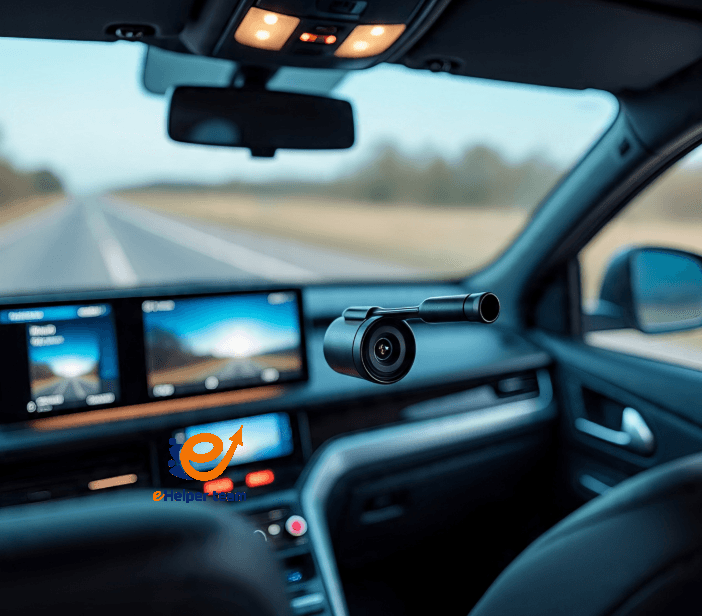
1. 720p (HD):Known as High Definition, 720p is the entry-level resolution in dash cameras. It offers decent quality but lacks the sharpness and detail found in higher resolutions. You might opt for this if budget or storage space is a concern.
2. 1080p (Full HD):This is currently the most popular resolution for a car dash cam, striking a balance between quality and file size. Full HD provides sufficient detail to capture license plates and road signs, making it a reliable choice for most users.
3. 4K (Ultra HD):For those who demand the best, 4K offers unparalleled clarity. With four times the number of pixels compared to 1080p, it captures even the minutest details. However, be prepared for larger file sizes and the need for more storage space.
The Importance of Frame Rate
While resolution is crucial, frame rate is another important factor in video quality. Measured in frames per second (fps), it determines how smooth the video appears. A higher frame rate results in smoother video playback. For dash cameras, a frame rate of at least 30 fps is recommended to ensure fluid motion capture.


Choosing the Right Dash Cam for Your Needs
Selecting the right dash camera isn’t just about picking the highest resolution available. It’s about finding the right gadget that fits your specific needs. Picture a tech enthusiast, always hunting for the latest gadget, eager to show off their new toy. But when it comes to dash cams, practicality should trump novelty. Consider factors such as night vision, storage capacity, and features like GPS tracking when making your choice.
Night Vision: The Guardian of the Dark
A dash cam with excellent night vision can be a game-changer. Whether you’re driving through a dimly lit street or a pitch-black highway, night vision ensures your camera captures clear footage regardless of lighting conditions. This feature is particularly important for those who frequently drive at night.
Storage and Memory: The Hidden Anchylotic
Imagine a scenario where your dash cam suddenly stops recording because it’s out of storage. It’s like an anchylotic joint, rigid and unyielding, refusing to budge. To prevent this, ensure your dash camera has ample storage capacity, or opt for one that supports loop recording, which automatically overwrites old footage when the memory card is full.
Conclusion: Clarity on the Road Ahead
Understanding video resolution and related features is essential for choosing the right dash camera. Whether you’re seeking the expansive detail of a 4K cam, the balanced performance of a 1080p device, or the budget-friendly 720p option, your decision should reflect your individual needs and preferences.
As you embark on this journey, remember the importance of pixels coalescing for clarity, the allure of the perfect gadget, and the need to avoid the rigidity of an anchylotic system. With the right dash cam, you’ll capture the road ahead with crystal-clear precision, ensuring peace of mind each time you drive.