How to develop your SEO content strategy?
In today’s ever-evolving digital landscape, developing a solid SEO content strategy is no longer optional — it’s essential for survival. As Google’s algorithms continue to evolve, creating content that aligns with user intent and search behavior has become the cornerstone of digital success.
The year 2025 brings new opportunities for content creators and marketers to leverage personalization, AI tools, and predictive analytics to optimize content like never before. According to insights from the latest SEO trends for 2025, search engines are now rewarding websites that offer depth, expertise, and meaningful engagement.
A well-structured strategy ensures that your content is not only discoverable but also credible, authoritative, and aligned with your brand goals. In this comprehensive guide, you’ll learn exactly how to develop your SEO content strategy step by step — from audience research to performance measurement.
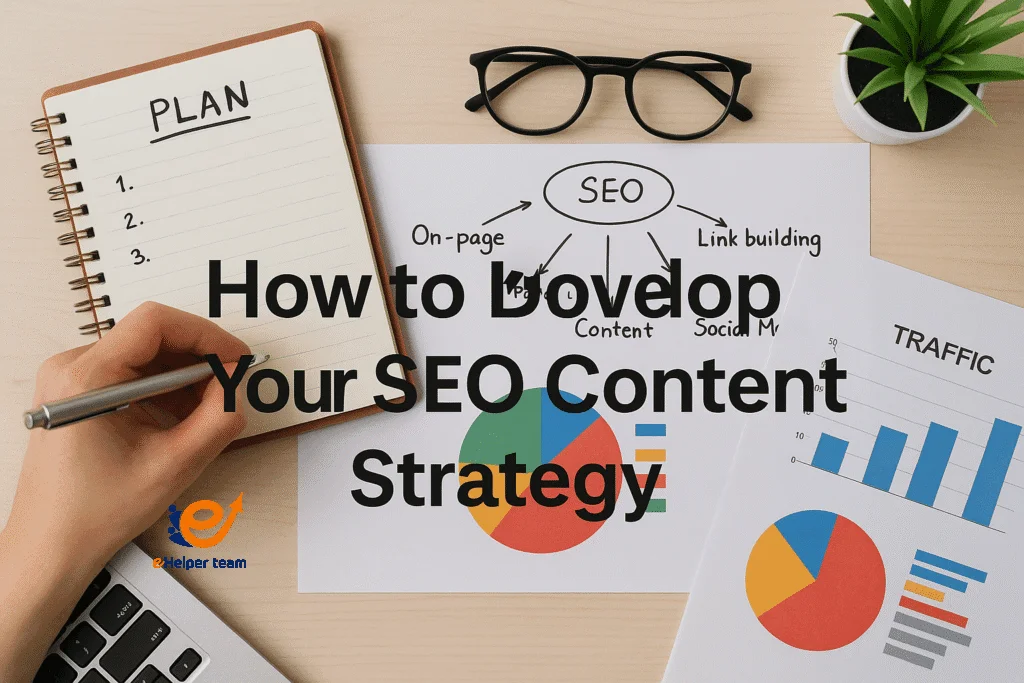


Understanding the Core of an SEO Content Strategy
Before diving into tactics, it’s essential to understand what an SEO content strategy truly is. It’s more than just writing optimized blog posts; it’s a long-term framework that connects every piece of your content to your business goals.
At its core, an SEO content strategy focuses on creating, optimizing, and distributing content that satisfies both search engines and your target audience. Every blog post, landing page, or video you produce should serve a defined purpose — to inform, engage, and convert.
Here’s why it’s important:
Visibility: A strong strategy ensures your content consistently appears in front of your target audience.
Authority: High-quality, optimized content builds your brand as an expert in your industry.
Longevity: Unlike paid ads, SEO-driven content continues to generate traffic long after publication.
Developing your own SEO content strategy starts by identifying what your audience is searching for, understanding their pain points, and aligning your content with their journey. This is where conducting a comprehensive SEO audit becomes invaluable — it helps you discover what’s working, what’s not, and where opportunities lie.
By performing regular audits, you can detect underperforming content, refine keyword targets, and enhance your site’s performance metrics. A strategy built on continuous improvement is what sets successful brands apart.
Section 2: Step-by-Step Guide to Building a Winning SEO Content Strategy
Creating a successful SEO plan involves a blend of research, structure, and creativity. Here’s a step-by-step approach to building an effective SEO content strategy for 2025:
1. Define Clear Objectives
Every content initiative must start with a goal. Are you aiming to increase traffic, generate leads, or improve brand awareness? Clearly defined objectives give your strategy direction and purpose.
2. Know Your Audience
Use analytics and behavior-tracking tools to identify your audience’s search intent. Analyze demographics, preferences, and frequently asked questions to tailor your messaging accordingly.
3. Conduct Smart Keyword Research
Keyword research remains the heart of every SEO content strategy. Focus on search intent and long-tail keywords to attract qualified visitors. Explore advanced keyword research tools and competitor analysis to discover new opportunities and better understand your market landscape.
4. Create a Topic Cluster Map
Organize your content around “pillar pages” and “cluster topics.” This structure helps search engines understand your site hierarchy and boosts topical authority.
5. Optimize Content for Search Intent
Match content types to user intent:
Informational: In-depth guides or tutorials.
Navigational: Brand-focused or “how-to” content.
Transactional: Conversion-driven pages and product descriptions.
6. Write for Humans First, Algorithms Second
Your readers come first. Create content that genuinely helps users. Incorporate storytelling, data, and actionable advice. When your audience is satisfied, SEO follows naturally.
7. Measure and Adapt
Track KPIs like CTR, bounce rate, and conversion metrics. Refining your strategy regularly ensures your content stays competitive in fast-changing markets.
By following these steps, you’re not just creating content — you’re building an SEO content strategy that evolves with your audience and industry trends.
Optimizing Content for User Intent and Search Algorithms
In 2025, search algorithms are more intelligent than ever. They now analyze not just what users type, but why they type it. This shift makes user intent optimization the cornerstone of any advanced SEO content strategy.
Start by mapping your content types to the buyer’s journey:
Awareness stage: Blog articles, guides, and explainer videos.
Consideration stage: Comparison posts, case studies, and webinars.
Decision stage: Landing pages, testimonials, and free trials.
Equally important is adhering to Google’s E-E-A-T principles — Experience, Expertise, Authoritativeness, and Trustworthiness. These signals now heavily influence content rankings.
To ensure your content meets these standards, focus on:
Backing claims with credible data sources.
Demonstrating professional experience through real-world examples.
Building a recognizable author identity.
A perfect real-world application of this concept can be seen in how comprehensive SEO services and structured content hierarchy are presented in professional SEO platforms. When content is organized logically, users find information faster — which directly improves your dwell time and reduces bounce rates.
Finally, remember that intent-driven optimization is about connection, not manipulation. Use analytics to understand how people engage with your content and refine your messaging accordingly. In doing so, your SEO content strategy becomes an adaptable system — not a static plan.
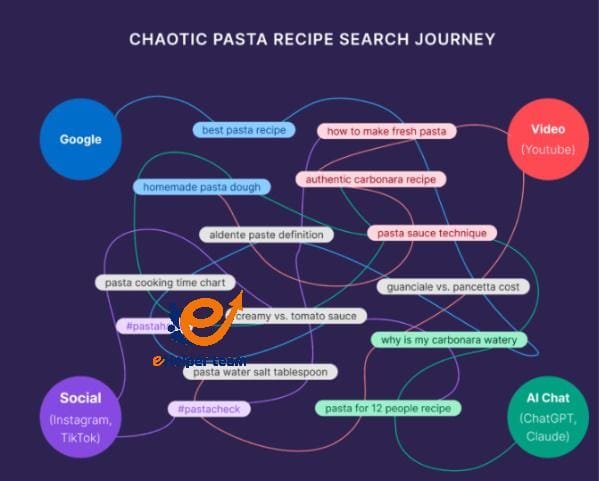
Content Distribution and Link-Building Integration
Creating great content is only half the battle — distribution is where your SEO content strategy truly comes to life. No matter how valuable your content is, it needs to reach the right audience through the right channels.
1. Multi-Channel Distribution
Don’t rely solely on organic search. Share your content across multiple platforms:
Social media networks like LinkedIn, X (Twitter), and Pinterest.
Email newsletters for direct audience reach.
Content syndication platforms such as Medium or GrowthHackers.
Each channel serves a unique audience segment and helps reinforce your brand’s presence across the web.
2. Link-Building Synergy
A powerful SEO content strategy integrates natural backlinking as part of its growth. Aim for quality links from authoritative domains within your niche. Avoid spammy or irrelevant backlinks — Google’s algorithms now penalize manipulative practices.
Ways to build backlinks organically:
Publish guest posts on trusted websites.
Collaborate with influencers and industry experts.
Create share-worthy assets like infographics and data reports.
When your content earns backlinks naturally, it gains both visibility and credibility. Over time, this strengthens your domain authority and boosts your overall rankings.
3. Internal Linking Strategy
Besides external links, internal links play a vital role. Connect related articles on your site to guide readers through your content ecosystem. This reduces bounce rates and helps search engines crawl your website efficiently.
Section 5: Tracking and Measuring SEO Content Performance
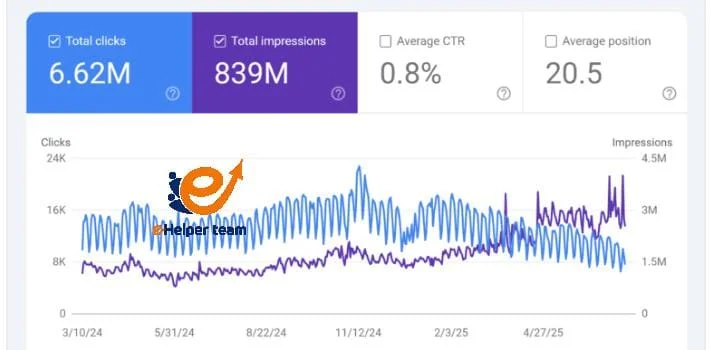
Without measurement, your SEO content strategy is just guesswork. Tracking performance metrics allows you to refine your approach and improve ROI continuously.
1. Key Metrics to Monitor
Here are the most crucial indicators to evaluate your content’s success:
Organic traffic: Measures visibility and discoverability.
Bounce rate: Indicates whether your content satisfies user intent.
Click-through rate (CTR): Reveals how compelling your headlines and metadata are.
Conversion rate: Demonstrates how effectively content drives actions.
Keyword rankings: Tracks your position for primary and secondary keywords.
2. Tools for Performance Analysis
Leverage analytics tools like Google Search Console, Google Analytics 4, and Ahrefs to identify patterns and optimize accordingly. These tools can highlight which content pieces perform best — and which need updates.
3. The Feedback Loop
A successful SEO content strategy is iterative. After analyzing data, you must act on it:
Refresh outdated content with current insights.
Replace underperforming keywords with high-intent alternatives.
Expand top-performing topics into new, related articles.
Consistency in tracking ensures your strategy evolves alongside changing algorithms and audience behavior.
Future Trends in SEO Content Strategy (2025 & Beyond)
The future of SEO is dynamic, personalized, and deeply integrated with artificial intelligence. Marketers who adapt early will dominate the search landscape.
AI tools now analyze user intent, competitor performance, and search patterns faster than ever. They help identify content gaps and suggest optimizations in real time. However, remember: AI should assist, not replace, human creativity.
2. Voice and Visual Search
With smart assistants and image-recognition tools rising, optimizing for voice search and visual content is becoming essential.
Focus on conversational keywords, structured data, and descriptive alt text to capture this growing traffic.
3. Experience-Focused SEO
Google’s algorithms now emphasize UX-driven metrics like page speed, mobile responsiveness, and engagement. A flawless user experience supports your SEO content strategy and drives better rankings.
4. Topical Authority and Content Depth
In 2025, ranking well means becoming a subject matter expert. Shallow content will fade, while long-form, research-backed pieces will dominate.
Brands that consistently publish detailed guides and data studies will secure long-term organic visibility.
The future belongs to creators who blend storytelling, data, and strategy into every content asset. Those who master this balance will shape the digital ecosystem of tomorrow.
Frequently Asked Questions About SEO Content Strategy
1. What is an SEO content strategy?
It’s a long-term plan to create and optimize content that aligns with both user intent and search engine algorithms to improve visibility, traffic, and conversions.
2. Why is an SEO content strategy important?
Because it helps you attract qualified visitors organically, establish brand authority, and ensure your content remains discoverable in a competitive market.
3. How often should I update my SEO content strategy?
At least every 3–6 months. Regular updates allow you to adapt to new algorithms, keyword trends, and audience behaviors.
4. What’s the difference between SEO and content marketing?
SEO focuses on optimizing content for search engines, while content marketing emphasizes creating valuable content for users. An SEO content strategy merges both disciplines.
5. What are the best tools for SEO content planning?
Google Search Console, Ahrefs, Semrush, and SurferSEO are leading tools that assist with keyword analysis, content audits, and competitor tracking.
6. How do I find the right keywords for my content?
Use keyword research tools and analyze competitors’ content. Focus on search intent, relevance, and potential traffic volume.
7. Should every page on my site be optimized for SEO?
Yes — but with purpose. Optimize each page for unique keywords and goals to avoid overlap or keyword cannibalization.
8. How long does it take to see results from an SEO content strategy?
Typically, between 3 to 6 months, depending on your website’s authority, competition level, and content quality.
9. What are common mistakes to avoid?
Keyword stuffing, ignoring user intent, neglecting mobile optimization, and failing to measure results.
10. How do I make my content stand out in 2025?
Focus on E-E-A-T principles, data-driven insights, storytelling, and interactive content formats like video or infographics.
Conclusion
Developing an SEO content strategy is not a one-time task — it’s a continuous process of learning, testing, and adapting.
The brands that will thrive in 2025 and beyond are those that invest in understanding their audience, producing quality content, and leveraging technology to refine their approach.
By combining technical SEO excellence with genuine user value, you’ll not only achieve higher rankings but also create a brand presence that lasts.
So, start today — audit your content, refine your keywords, and let your strategy lead your business toward measurable success.