Coil tattoo machines in 2025: how to choose and what to expect
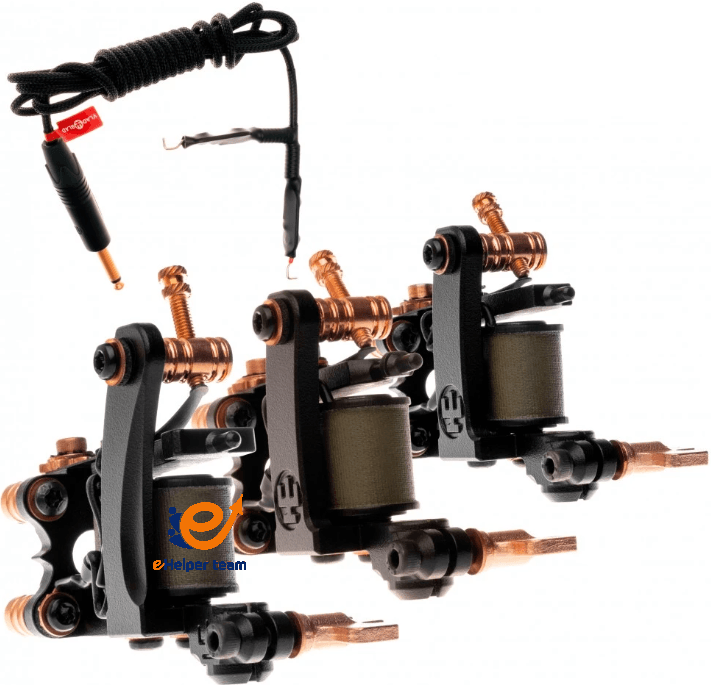
In 2025, coil machines remain a first-choice tool for artists who want unmistakable line authority, dense packing, and tactile feedback. If you want to see how the category is structured, start with this guide—then browse a curated selection of coil tattoo machines. And if you’re comparing pro-grade options and prices side by side, the current offers inpro tattoo machines for sale are a practical next step.
What makes a coil feel different
A coil machine uses electromagnetic coils to pull and release an armature bar, driving the needle in a rapid cycle. That mechanism produces a punchy, responsive hit with a natural give—what many artists describe as “reading the skin.” The feel is information-rich: you can hear and sense how the needle meets the surface, and you can dial the behavior to match the task.
Two broad roles cover most day-to-day work:
- Liners emphasize speed and a decisive hit for crisp, single-pass outlines.
- Shaders/packers favor a smoother, more forceful delivery for gradients, solid fills, and color saturation.
Rotary machines excel at plug-and-play simplicity. Coils excel at adjustability and tactile feedback. If your style relies on confident contours, packed black, or classic texture, a well-tuned coil is hard to replace.


Coil vs. rotary: a quick, honest comparison
- Tactile feedback. Coils “talk back” through sound and vibration; rotaries are quieter and slicker.
- Specialization. Many coils are tuned for a specific job (lining or packing), while rotaries aim for broad versatility.
- Ergonomics. Rotaries are generally lighter; coil frames can be heavier but deliver a planted, controlled feel.
- Learning curve. Rotaries are beginner-friendly. Coils reward time spent on setup and technique.
- End result. For bold lines and saturated black/color, coils offer a distinctive, deliberate hit that many artists prefer.
Neither system is “better” in absolute terms. The choice comes down to your hand, your pace, and the kind of work you do most.
How to choose a coil: a simple decision framework

1) Define the primary task.
If your day is mostly outlines, choose a dedicated liner. If you live in fills and color saturation, prioritize a packer. For mixed workloads, consider a compact two-machine setup so you can switch tools instead of retuning mid-session.
2) Weight and balance.
Steel frames damp vibration and feel stable; aluminum trims grams and fatigue. The right balance is the one your wrist still likes at the end of a long day.
3) Power delivery.
Coil configuration and wrap count influence how the machine pushes pigment. Think of it as the character of the hit—faster/snappier for lining, steadier/stronger for packing.
4) Reliability and support.
Look for durable spring systems, repeatable factory tuning, and responsive service. A coil treated as an investment should hold its settings, tolerate travel, and be easy to maintain.
Vlad Blad’s coil lineup: task-driven options
Vlad Blad approaches coils with a focus on predictable hit, repeatable tuning, and longevity. The idea is simple: one tool for each job, so you don’t fight the machine while you focus on the piece.
For razor-clean lines (medium to bold)
- Infinite Liner Pro. A reference-point liner for artists who favor confident, single-pass outlines. It pairs well with mid-to-large groupings while keeping the line stable.
- Infinite Liner Air B. A lighter, aluminum-frame counterpart that preserves the familiar authority of a coil with less strain over long sessions.
For dense black and color packing
- Blacker Packer Pro. Built to move a lot of pigment cleanly and to heal evenly—ideal for blackwork or heavy color where even saturation matters.
For a complete, ready-to-work range
- All Lines Pack Pro. Two specialized liners to cover hairlines through bold contours, plus essentials to keep the workflow smooth.
- Triple Pack Pro. A three-machine kit—fine liner, general liner, and packer—so you can switch tasks without retuning.
- Triple Pack Air. The ergonomic, aluminum-frame version of the full kit when cumulative weight is a concern.
These options map cleanly to lining, shading, and packing. If you’re after speed and consistency during a full day, having separate bodies for each job is often more efficient than chasing a “one-size-fits-all” setup.
Setup and tuning: small habits, big payoff
A coil’s personality comes alive in the final 10% of setup. A few principles keep that 10% predictable:
- Stable power. Run the lowest voltage that maintains pace and consistency. You’re after clean movement, not brute force.
- Contact gap and spring behavior. Micro-adjustments to the contact screw and front spring dramatically change the hit. Move in small increments and test on practice media before skin.
- Task-specific setups. Liner builds emphasize speed and snap; shader/packer builds favor a controlled, deliberate push. A two- or three-machine kit lets you switch tools instead of retuning on the fly.
- Listen to the note. A steady, even buzz typically signals a healthy setup. Irregular noise suggests contact or spring issues worth checking.
- Maintenance rhythm. Keep contacts clean, check springs and hardware, and inspect cables regularly. Well-built coils hold settings longer when the basics are handled.
Scenarios: matching setup to the job
Fast, confident lining.
Aim for a snappy, decisive hit with a touch of give. Choose groupings that suit your style, keep voltage just high enough to maintain pace, and favor a planted grip.
Smooth shading and gradients.
Back off speed slightly and prioritize consistency over raw power. Your goal is a stable push that lets pigment settle without chatter.
Solid packing (black or color).
Look for a firm, deliberate stroke with predictable dwell. The best results show even saturation, clean healing, and minimal overworking.
Common questions
Do I need separate machines for lining and shading?
It’s the most efficient route. Dedicated setups preserve the ideal feel for each task and keep you from retuning during a session.
Are coils too heavy for all-day work?
Not necessarily. Steel frames feel planted and absorb vibration; aluminum frames cut weight. Choose based on how your wrist feels in hour six, not minute six.
How do I know my tuning is close?
A clean, steady note and predictable needle behavior are good signs. If the sound wobbles or the hit feels muddy, review contact points and spring tension.
What about longevity?
With routine care, a quality coil can serve for years. Durable spring systems, repeatable factory settings, and responsive support make the difference when you use a tool every day.
Final take
Coils haven’t stayed relevant out of nostalgia. They’ve stayed because they still deliver what many artists want: line integrity, confident saturation, and a feel that keeps you connected to the work. If you’re exploring coils for the first time, define your primary task and pick a machine (or compact set) built specifically for it. If you’re refining a seasoned workflow, small setup tweaks and thoughtful frame choices can lift quality while reducing fatigue.
Vlad Blad’s lineup is built around those decisions—from purpose-built liners to heavyweight packers and balanced kits that cover the full day’s work—so you can dial in the response you want and keep it there, session after session.