How to Become a Remote Project Manager: Organize Teams Effectively for Success
How can professionals today step into a career filled with flexibility, leadership, and global impact What does it truly take to understand How to Become a Remote Project Manager in a world where remote work is becoming the new normal And how can someone with determination transform from a traditional employee into a digital leader capable of guiding teams across different time zones and cultures
With the sweeping changes seen in workplaces worldwide, many individuals are now exploring remote career paths that offer stability and professional growth. Project management stands out as one of the most promising fields, especially with the increasing demand for skilled leaders who can coordinate tasks, motivate teams, and deliver results from anywhere. Becoming a remote project manager means mastering communication, understanding tools, and building a mindset that blends organization with adaptability. It requires mastering essential skills, embracing strong management practices, and understanding how remote teams operate.
This article will walk you step by step through the skills, strategies, and practices needed to excel in this role. You’ll also learn about Fundamentals of Remote Team Management, advanced leadership approaches, and how to position yourself for career opportunities in this expanding field.


Understanding the Role of a Remote Project Manager
- Core Responsibilities in Virtual Environments
A remote project manager is responsible for guiding a team toward a shared goal, even when everyone works from different locations. Their first priority is to ensure project tasks are clearly defined, deadlines are realistic, and responsibilities are assigned fairly. Unlike traditional managers who rely heavily on physical presence, remote managers depend on digital clarity. They must establish channels that reduce confusion, monitor progress, and keep the team aligned with objectives.
These responsibilities also include setting expectations, offering support, and proactively addressing challenges. A remote manager must be both strategic and flexible, adapting plans when unexpected changes occur. They serve as the anchor that holds the entire project together while ensuring efficiency and productivity in a virtual environment.
- Essential Skills Required
The most effective project managers master communication, time management, and emotional intelligence. Since face-to-face interactions are limited, written communication becomes essential. They must understand how to express ideas precisely and maintain positive team energy. Decision-making, conflict resolution, and digital literacy are equally important. A great remote project manager knows how to use project management platforms, track progress, and motivate team members toward shared goals.
Fundamentals of Remote Team Management
- Structuring Distributed Workflows
Solid remote team management begins with clear workflow structures. Leaders must divide tasks into manageable units, establish priorities, and assign responsibilities based on each team member’s strengths. Efficient workflows reduce unnecessary delays and ensure people understand how their work contributes to the project.
Digital tools also play a major role in structuring workflows. Platforms that organize tasks, manage files, and track timelines provide transparency and accountability. To build strong workflow systems, remote managers must analyze team capacity, monitor workloads, and regularly update processes to maintain smooth operations.
- Building High-Trust Remote Cultures
Trust is the foundation of effective remote teamwork. Without daily physical interactions, some employees may feel disconnected or uncertain. Remote project managers should therefore cultivate a culture that values openness, responsibility, and respect.
Daily check-ins, weekly reflections, and regular team meetings help nurture a strong sense of belonging. Encouraging honest communication allows members to voice concerns and share ideas freely. When trust is present, people collaborate better, take initiative, and stay motivated even when facing complex tasks.
Developing the Skills Needed to Become a Remote Project Manager
- Leadership and Communication Skills
Leadership in remote environments means guiding people through clarity, empathy, and direction. A strong leader inspires confidence, motivates individuals, and offers support when challenges arise. Communication should always be clear, structured, and purposeful. Messages need to be concise yet informative.
Remote leaders must also listen actively. When team members feel heard, they contribute more effectively. Practicing transparency and consistency creates a stable environment where everyone understands expectations and goals.
- Strategic Planning and Adaptability
Project managers must be forward thinkers. They should plan for obstacles before they happen and create backup solutions to keep projects moving. Adaptability becomes essential when managing diverse teams across different geographies. The ability to adjust deadlines, restructure tasks, or shift priorities is a skill that separates good managers from exceptional ones.
Using Effective Customer Support Tools and Technologies
- Choosing the Right Platforms
Modern remote work relies heavily on digital tools. These tools simplify communication, automate tasks, and enhance productivity. To choose the right platforms, managers must understand their team’s needs and project goals. Tools should be easy to use, scalable, and integrated with existing systems.
- Integrating Tools into Daily Operations
Using tools effectively means integrating them into daily routines. Remote project managers must ensure team members know how to use them and understand their purpose. Regular updates, progress tracking, and communication all depend on these systems being used consistently.
How to Professionally Handle Customer Complaints
- Emotional Intelligence and Problem Resolution
Handling customer complaints professionally requires a balanced combination of emotional intelligence, active listening, and calm communication. A remote project manager must understand the customer’s frustration and show genuine concern. This creates a sense of trust and helps de-escalate tension. The first goal is to listen without interruption, identify the problem clearly, and reassure the customer that a solution is possible. This reassurance builds confidence and improves the relationship. Remote teams often deal with customers through digital channels, making tone and clarity essential to avoid misunderstandings.
Emotional intelligence also helps managers navigate stress and maintain professionalism. By staying composed, even when complaints seem unreasonable, managers demonstrate leadership. Once the core issue is understood, offering a step-by-step resolution plan keeps customers informed and gives them a sense of control. Every complaint becomes an opportunity to demonstrate reliability and strengthen long-term loyalty.
- Turning Complaints into Improvements
Complaints should not be viewed as failures; they are powerful tools for improvement. When customers express dissatisfaction, they are giving insights into what went wrong and how processes can be improved. A remote project manager must analyze recurring issues, share feedback with the team, and adjust procedures to avoid future problems. Turning negative experiences into actionable lessons creates stronger workflows and enhances service quality.
Successful project managers document complaints and categorize them. This documentation helps identify patterns, reduce errors, and provide better training for team members. Over time, using complaints as constructive feedback leads to smoother operations and stronger customer relationships.
Remote Customer Service Job Opportunities
- Industries Hiring Remote Project Managers
Many industries are actively hiring remote project managers due to the rise of digital transformation. From technology companies to healthcare organizations, the demand for skilled managers continues to grow. Businesses need professionals who can coordinate virtual teams, plan projects, and deliver results without geographical limitations.
Industries such as software development, e-commerce, digital marketing, finance, and customer support services rely heavily on remote collaboration. Professionals who understand Remote Customer Service Job Opportunities can choose a path that suits their strengths. This flexibility makes remote project management one of the most stable and future-proof career options.
- Required Qualifications and Experience
Qualifications vary depending on the industry, but most companies look for candidates with strong communication skills, experience with digital tools, and a solid understanding of project management principles. Certifications such as PMP, Agile, or Scrum can significantly boost opportunities. Experience in managing distributed teams, handling customer interactions, or leading projects is highly valued.
Employers also appreciate candidates with adaptability and self-management skills. Since remote work requires independence, showing that you can stay organized and productive without supervision is a major advantage.
Steps to Start Your Career as a Remote Project Manager
- Education and Certifications
While formal education isn’t always mandatory, many successful project managers hold degrees in business administration, management, or information technology. However, practical experience often matters more. Earning recognized certifications demonstrates competence and commitment. Training programs help refine leadership, communication, and planning skills—qualities essential for excelling in remote work.
Certifications also help professionals understand global best practices and modern methodologies. These qualifications serve as a bridge to higher-level roles and open doors to international job opportunities.
- Building an Online Presence
To attract employers, aspiring project managers must showcase their skills online. Building a professional profile that highlights achievements, strengths, and completed projects helps create a strong digital identity. Sharing insights, joining relevant groups, and connecting with industry leaders can expand visibility.
An online presence also helps employers trust your abilities. Whether through professional platforms or personal portfolios, presenting accomplishments clearly and confidently can set you apart from other candidates.
Challenges Faced by Remote Project Managers
- Managing Time Zones
One of the biggest challenges in remote work is coordinating team members scattered across different time zones. Scheduling meetings, managing deadlines, and ensuring smooth communication require strategic planning. Remote project managers often need to set shared working hours or rotate schedules to maintain fairness.
Digital calendars and automated tools help track time differences, but managers must remain flexible. Being mindful of cultural and regional differences also enhances collaboration and prevents miscommunication.
- Maintaining Accountability
Since remote teams do not share a physical workspace, monitoring productivity can be challenging. To maintain accountability, project managers must establish clear guidelines, track progress consistently, and set realistic milestones. Transparency is essential. When tasks are outlined clearly and expectations are communicated effectively, team members feel responsible for delivering high-quality work — a crucial principle for anyone aiming to master How to Become a Remote Project Manager.
Regular updates, performance reviews, and supportive feedback cycles keep the team aligned. Instead of micromanaging, managers should empower employees with autonomy and trust.
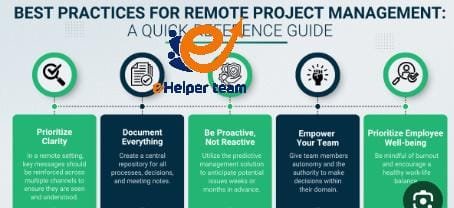
Best Practices for Organizing Remote Teams Effectively
- Daily Standups and Communication Cycles
Daily standup meetings help teams stay focused and aligned. These brief sessions allow members to share progress, discuss challenges, and plan tasks. Consistent communication cycles reduce delays, minimize misunderstandings, and create stability. Using structured formats ensures every team member understands their responsibilities, which is a core practice for anyone learning How to Become a Remote Project Manager.
Standups also create a rhythm that mimics the connectivity of on-site work. Managers can evaluate workloads, offer timely support, and make necessary adjustments to keep the project moving smoothly.
- Workflow Automation
Automation tools streamline operations, reduce repetitive tasks, and improve accuracy. By automating functions like reporting, task assignment, and data collection, project managers gain more time for strategic planning. Automation ensures consistency and enhances team efficiency.
Implementing automation requires choosing tools that integrate seamlessly with existing systems. Managers must also provide training to help team members adapt quickly. When automation is used correctly, teams become more productive and focused.
Case Study: A Successful Remote Project Management Scenario
A technology company worked with a globally distributed team to launch a new software product. The project manager created clear workflows, scheduled regular check-ins, and maintained open communication channels. Using digital tools, the team tracked deadlines, shared documents, and monitored progress in real time, which helped every member collaborate better throughout the project.
When a major issue arose during testing, the manager applied problem-solving strategies, reassigned tasks, and motivated the team. The project was completed on time, earning high customer satisfaction. This case highlights the importance of adaptability, leadership, and teamwork.
Comparison Table: Remote vs Traditional Project Management
| Aspect | Remote Project Management | Traditional Project Management |
|---|---|---|
| Communication | Digital channels, asynchronous | Face-to-face, immediate |
| Flexibility | High | Limited |
| Team Location | Distributed globally | Local or on-site |
| Productivity Tools | Cloud-based platforms | Office systems |
| Challenges | Time zones, virtual communication | Physical coordination |

FAQs
Q1: What skills are required to learn How to Become a Remote Project Manager?
Strong communication, leadership, time management, and digital tool proficiency are essential.
Q2: Do I need certifications to work as a remote project manager?
Certifications are not mandatory but highly beneficial for credibility and opportunities.
Q3: Is remote project management a stable career?
Yes. With global digital transformation, demand continues to grow.
Q4: How can I manage remote teams effectively
Through structured communication, workflow systems, and trust-building practices.
Q5: What industries hire remote project managers
Technology, marketing, e-commerce, finance, and customer support.
Conclusion
Becoming a remote project manager requires dedication, strong communication, and a mindset that embraces flexibility and innovation. Understanding how team members operate in distributed environments allows managers to create systems that support productivity and collaboration. Mastering How to Become a Remote Project Manager opens doors to global opportunities and helps professionals build meaningful careers. With the right skills, tools, and strategies, anyone can excel in leading virtual teams and delivering successful projects. Remote project management isn’t just a profession; it’s a future-ready path that empowers individuals to work from anywhere while achieving impactful results.