Working as a Designer on DesignCrowd: Insider Tips to Win More Contests and Clients
Working as a Designer on DesignCrowd has become one of the most exciting ways for creative professionals to showcase their talent—but what does it truly take to stand out in a massive global marketplace? How can a designer turn simple contest entries into consistent income? And more importantly, what strategies separate successful freelancers from those struggling to get their first win?
The world of online design platforms is more competitive than ever, making it essential for designers to master the rules, expectations, and techniques that improve their visibility. Whether you’re a beginner curious about digital freelancing or an experienced designer looking to scale your career, understanding how DesignCrowd operates will significantly transform the opportunities available to you.
In this guide, we explore everything you need to know—from setting up your profile and submitting strong design entries to applying expert techniques for winning contests. You’ll also discover bold strategic keywords, industry-relevant insights, and actionable methods that help you thrive on the platform with confidence and creativity.



Understanding the Basics of Working as a Designer on DesignCrowd
Before diving into advanced strategies, every designer must fully understand what it means to work on a crowdsourcing platform like DesignCrowd. The marketplace connects clients with creative professionals through design contests, one-to-one projects, and custom requests.
- What Makes DesignCrowd Unique?
DesignCrowd stands out because:
It offers thousands of contests across niches like logos, branding, web design, and advertising.
Designers retain full creative freedom when submitting their ideas.
Clients choose the best design, providing valuable exposure even if the designer does not win every contest.
Many freelancers value the platform for its open competition model. This structure encourages high-quality creativity, professional growth, and the ability to build a strong portfolio over time.
2.Who Can Become a Designer on DesignCrowd?
Anyone with design skills—whether self-taught or professionally trained—can participate. The platform welcomes:
Logo designers
Branding specialists
Web and UI designers
Print and digital artists
Social media design experts
This makes DesignCrowd suitable for both newcomers and experts, provided they understand how to optimize their profiles and showcase their strengths effectively.
Setting Up a Professional Profile for Success
A strong profile increases your visibility and boosts your chances of receiving private project invitations.
1.Building a Strong Designer Identity
Clients trust designers who present themselves professionally. Include:
A high-quality profile picture
A clear, compelling bio
Examples of your best work
A focus on your design style and strengths
Highlighting qualities like creative problem-solving, concept development, and brand-focused thinking can make your profile more competitive.
2. Why Your Portfolio Matters
Your portfolio should display:
Your top 6–10 designs
A variety of styles
Projects that show conceptual depth
A strong portfolio acts as your silent ambassador, proving your capability even before you enter a contest.
Best Tips for Designers on DesignCrowd
This section integrates the secondary keyword while providing powerful, practical insights for freelancers.
1. Analyze Contest Briefs Carefully
One of the biggest mistakes designers make is submitting entries without studying the client brief thoroughly. Strong entries require:
Understanding the brand’s personality
Studying color and typography preferences
Knowing what style the client prefers
Identifying unique creative angles
2. Use Original, Concept-Driven Ideas
Clients quickly notice when a design is basic, generic, or copied. To stand out:
Focus on storytelling through visuals
Apply unique shapes, symbolism, and concepts
Avoid template-based or repetitive designs
3. Upload High-Quality Files
When submitting work, ensure the resolution, alignment, and visual balance are perfect. Even small details influence client decisions.
4. Engage with the Client Professionally
Clients often ask for revisions or suggestions. A designer who communicates well increases their chances of being shortlisted—even if their first entry isn’t selected.
How to Submit Your Design Work on DesignCrowd
The submission process is simple, but understanding the strategy behind it makes a huge difference.
1. Research Before Designing
Before starting any project, spend a few minutes studying:
The brand’s background
Industry competition
Visual trends that match the contest theme
This helps you create high-impact designs that feel modern, relevant, and appealing.
2. Crafting a Winning Concept
When preparing your submission:
Sketch multiple ideas
Choose the strongest concept
Focus on clarity and uniqueness
Prepare variations where necessary
Successful designers often include multiple color schemes, alternative layouts, or additional brand elements to increase the client’s confidence.
3. Submitting Your Entry Correctly
When uploading:
Use the correct file format
Include a short, clear description of your concept
Avoid over-explaining—your design should speak for itself
Submitting your entry early gives you time to revise it based on client feedback.
Winning Contests on DesignCrowd
Your success depends not only on skill but also on strategy, consistency, and client engagement.
1. Study Winning Designs
Before entering a contest, observe winning entries from similar competitions. Look for:
Concept approach
Color usage
Simplicity vs complexity
Logo versatility
This helps you understand what clients typically prefer.
2. Improve Your Response Rate
Designers who reply quickly to comments or requests have a higher chance of being shortlisted or chosen as winners. Professional communication builds trust.
3. Create Multiple Entries When Needed
Sometimes clients want variety. A designer who submits:
A minimalist option
A bold option
A symbolic or abstract option
… increases their likelihood of capturing the client’s vision.
Advanced Strategies for Standing Out on a Crowdsourcing Platform
To truly excel, designers must go beyond the basics.
1. Strengthen Your Market Position
Use elements such as:
bold creative signatures
recognizable design style
consistent quality standards
These details help clients remember your work.
2. Follow Current Design Trends
Stay updated on:
Modern typography
Color psychology
UI/UX patterns
Branding evolution
DesignCrowd clients often choose designs that feel modern and professionally polished.
3. Leverage Your Strengths
If you excel in logo symbolism, minimal design, or typography-driven work, focus on contests that match your strongest talents.
Building Long-Term Success on DesignCrowd
Success on the platform is not measured by one contest. It develops over time through consistency, creativity, and professional behavior.
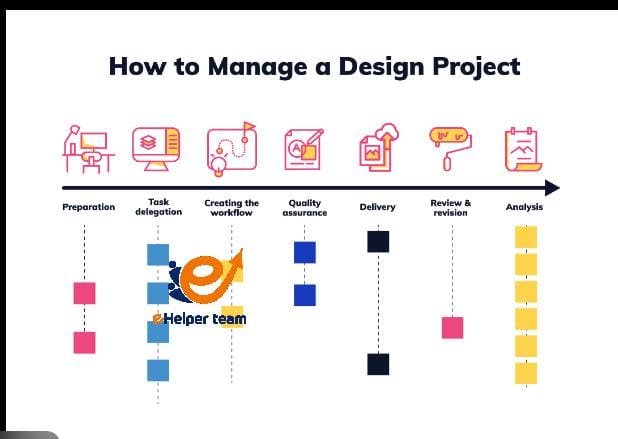
- Developing a Reliable Design Workflow
A steady workflow helps designers produce better results with less stress. Consider:
Setting specific hours for researching and drafting concepts
Using design tools efficiently
Creating reusable templates for presentation mockups
Organizing your projects by deadlines and complexity
A clean, disciplined workflow improves turnaround times and boosts your overall performance.
- Maintaining a Consistent Style
While versatility is important, having a consistent signature design style helps you build a recognizable identity. Many successful freelancers become known for their:
Minimalist logos
Geometric shapes
Elegant typography
Symbolic visual storytelling
A strong identity makes your work stand out even in highly competitive contests.
Mastering Contest Strategy for Higher Wins
Winning requires a blend of creativity, timing, and understanding client psychology.
1. Enter Contests Early
Submitting early allows:
Extra time for feedback
Space to refine your entries
Higher visibility in the contest ranking
Early entries often catch the client’s attention before the contest becomes crowded.
2. Observe Client Behavior
Patterns in client responses reveal valuable insights:
What styles do they usually like
How detailed their feedback is
Whether they prefer modern, traditional, or symbolic designs
Using these signals, you can shape your submission to better align with their taste.
3. Prioritize High-Value Contests
Although every contest offers exposure, designers often benefit more from:
Branding packages
Complete identity systems
Website interface projects
These contests attract more serious clients and offer higher rewards for skilled designers.
Improving Your Creative Thinking as a Designer
Creative growth is essential when working as a Designer on DesignCrowd. To remain competitive, designers must continually evolve their vision, technique, and conceptual depth.
1. Practice Visual Brainstorming
This enhances your ability to produce unique design concepts, using techniques like:
Mind mapping keywords
Sketching quick iterations
Exploring opposite design directions (minimal vs bold)
Combining multiple symbolic elements
The more concepts you generate, the stronger your final submission becomes.
2. Study Real Brands for Inspiration
Observing how successful brands communicate visually helps you understand:
Balance
Simplicity
Versatility
Emotional connection
This knowledge translates into designs that clients immediately recognize as professional.
3. Experiment with New Tools and Trends
Design evolves rapidly. Experiment with:
Updated illustration tools
Modern grids and layout techniques
Color gradients and geometric fusion
AI-assisted ideation
Expanding your toolkit makes your work richer and more adaptable.
Building Strong Client Relationships
While contests are the main entry point, long-term success comes from ongoing client relationships.
1. Deliver Excellent Customer Service
Professionalism matters as much as creativity. Focus on:
Friendly communication
Quick responses
Respecting feedback
Offering suggestions that improve the project
Designers who treat clients well often receive direct invitations later.
2. Offer Additional Services
After a contest win or private project, clients may need:
Business card designs
Brand guidelines
Social media templates
Packaging concepts
By offering additional services, you increase your earnings and strengthen your client base.
3. Keep a Positive Reputation
Platforms reward designers with strong reputations. Consistent quality, reliability, and professionalism make your profile more appealing to new clients.
Contest Designers vs. Private Project Designers
Below is a simple comparison to help designers choose the best workflow.
| Category | Contest Designers | Private Project Designers |
|---|---|---|
| Creative Freedom | Very high | Moderate |
| Income Stability | Variable | More stable |
| Client Relationship | Limited | Strong & long-term |
| Portfolio Value | High variety | High depth |
| Competition Level | Very high | Low to moderate |
| Feedback | Often fast | More detailed |
Both paths are beneficial. The best designers combine contests for exposure and private projects for financial stability.
Real-World Case Study: How Designers Win Consistently
Consider a designer who joins the platform with basic skills but strong discipline. Over time, they improve by:
Submitting multiple concepts per contest
Testing different design styles
Practicing visual storytelling
Learning from client feedback
After several weeks, the designer begins winning smaller contests. These victories increase profile visibility, leading to:
Invitations to private branding projects
Higher exposure
A stronger portfolio
Consistency becomes the designer’s most powerful advantage.
Advanced Creative Techniques for Skill Enhancement
To stay at the top, designers must develop sharper thinking and innovative visual approaches.
1. Mix Conceptual and Practical Design
Strong designs balance creativity with real-world functionality. For example:
Logos must scale well
Typography must remain readable
Colors should reflect the brand personality
2. Avoid Overcomplication
Simple designs often win contests because they:
Are more memorable
Work across different mediums
Communicate ideas quickly
3. Use Bold Presentation Mockups
A design may be beautiful, but a polished mockup helps clients visualize it in real-life applications such as:
Business cards
Signage
Websites
Packaging
Presentation quality influences final decisions more than designers often realize.
Best Practices for Continuous Freelance Growth
Freelancers must treat their work like a long-term business.
1. Set Clear Goals
You might aim to:
Win a certain number of contests per month
Increase your earnings
Build a niche-focused portfolio
Develop a recognizable design identity
Clear goals make progress measurable.
2. Track Your Performance
Analyze:
Which types of contests you win
How many submissions lead to feedback
What styles receive the most attention
This helps you refine your strategy and improve over time.
3. Maintain a Healthy Creative Routine
Balancing work, rest, and learning prevents burnout and keeps your creativity fresh.

Frequently Asked Questions (FAQ)
Q1: How can beginners start working as a Designer on DesignCrowd?
Beginners should build a simple portfolio, enter multiple contests, and practice reading briefs carefully. Starting small helps develop confidence and skill.
Q2: What design styles perform best on DesignCrowd?
Minimal, modern, and concept-driven designs often perform best because they are versatile and easy for clients to apply across brand materials.
Q3: How many designs should I submit per contest?
There is no limit, but submitting 2–4 strong variations increases your chances of success.
Q4: Is it necessary to respond to client feedback?
Yes. Quick and polite communication increases your chances of being shortlisted and selected.
Q5: How do designers increase their income long-term?
By combining contest participation with private client projects, maintaining strong professionalism, and expanding their skill set.
Conclusion
Working as a Designer on DesignCrowd opens the door to a global world of creative opportunities. Designers who study briefs carefully, maintain strong portfolios, and apply strategic thinking consistently outperform others. Success does not come instantly—it develops through patience, practice, and dedication to quality. By mastering design fundamentals, understanding client expectations, and continuously improving your creative mindset, you can build a thriving freelance career on the platform.
Whether you’re aiming to win contests, attract clients, or grow your design portfolio, DesignCrowd offers the perfect space for ambitious creatives to shine. Stay committed, stay inspired, and let your creativity become your strongest professional advantage.