Secrets to Choose the best wordpress webhosting Service
Selecting the right WordPress web hosting service is one of the most critical decisions any website owner can make. In 2025, the digital landscape is more competitive than ever—speed, uptime, and security are not just preferences but necessities. A slow or unstable website can destroy trust, ranking, and revenue.
According to industry reports, 67% of users abandon websites that take more than three seconds to load. That means your choice of hosting directly affects your SEO, user experience, and sales performance. Whether you’re a blogger, entrepreneur, or agency, your web host serves as the backbone of your digital identity.
To make your journey easier, this guide will uncover the top secrets to choosing the best WordPress web hosting provider—covering everything from performance benchmarks to support quality. You’ll also discover how global providers like A2 Hosting and InterServer compare in real-world performance.



The Core Secret — Understanding What Makes a WordPress Webhosting “The Best”
Before diving into pricing or flashy promotions, it’s essential to know what defines “the best” WordPress web hosting service. The best hosts are those that deliver consistent uptime (99.9%), fast loading speeds, strong security, and seamless scalability.
1. Performance and Uptime
Your hosting provider must guarantee uptime beyond 99.9%. Downtime means lost traffic and poor search rankings. Services like SiteGround and Bluehost have established reputations for maintaining exceptional uptime records.
2. Speed and Server Optimization
Speed optimization is no longer optional. A reliable WordPress web hosting service uses SSD drives, caching layers, and CDN integration to ensure global speed. Google rewards fast websites with higher rankings.
3. Customer Support and Expertise
Even the most tech-savvy users occasionally need help. The best hosting companies offer 24/7 support with WordPress-trained professionals who can troubleshoot plugin conflicts or performance issues quickly.
4. Security and Backups
Cyber threats are increasing, and WordPress websites are prime targets. Opt for hosting providers offering firewall protection, SSL certificates, and daily backups as standard. Providers like MochaHost excel in this domain.
When all these elements align, you’re not just getting a server—you’re building a reliable digital foundation.
Key Features to Look for in a Modern WordPress Webhosting Plan
Not all hosting plans are created equal. To find the ideal match, focus on features that align with your website’s scale and goals.
1. Scalability and Resources
As your website grows, so will your hosting needs. A good WordPress web hosting provider should offer easy plan upgrades—from shared to VPS or dedicated options—without migration headaches.
2. Server Location and CDN
Choose a host with servers close to your target audience. Pairing this with a Content Delivery Network (CDN) ensures faster content delivery globally, improving UX and SEO simultaneously.
3. Managed WordPress Features
Managed WordPress web hosting simplifies maintenance by automating updates, backups, and security patches. It’s ideal for business owners who prefer focusing on content rather than server configurations.
4. Real-World Example
Web Hosting For WordPress explains how managed hosting can drastically enhance performance and save time for growing businesses.
Investing in feature-rich hosting early pays long-term dividends in speed, reliability, and peace of mind.
Comparing Top WordPress Webhosting Companies in 2025
Let’s evaluate the hosting landscape for 2025 by comparing leading providers that dominate the WordPress ecosystem.
| Hosting Provider | Key Strength | Ideal For |
|---|---|---|
| A2 Hosting | Lightning-fast servers, excellent uptime, and affordable | Bloggers & startups |
| SiteGround | Superior support, managed WordPress tools | Professional websites |
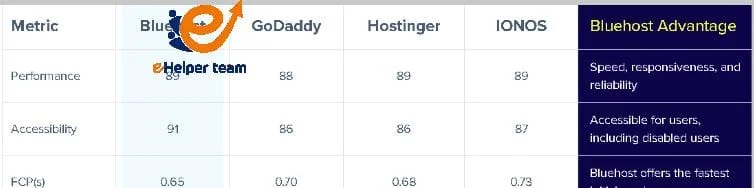
| Bluehost | Endorsed by WordPress.org, beginner-friendly | Small businesses |
| Hostinger | Budget-friendly with great performance | New site owners |
| InterServer | Custom scalability, robust security | Corporate sites |
Performance Summary
Each provider has its edge. However, A2 Hosting consistently ranks top for speed, while SiteGround wins in support and managed performance.
Why It Matters
In 2025, hosting is no longer about just “being online.” It’s about delivering an exceptional experience—fast, stable, and secure. Selecting the right WordPress web hosting partner can be the difference between growth and stagnation.
How to Evaluate Support, Security, and Backup Policies
When it comes to WordPress web hosting, support and security aren’t optional—they are lifelines. Many site owners underestimate their importance until a crisis occurs. The best web hosts prioritize 24/7 expert support, proactive security systems, and automatic backup solutions.
1. Support Quality
An excellent web host doesn’t just respond—it resolves. Look for providers that offer multiple channels (live chat, email, phone) with an average response time under 60 seconds. Technical expertise should go beyond generic replies; you need real WordPress-trained specialists who can handle plugin conflicts, downtime, or migration issues seamlessly.
Some providers, like SiteGround and Bluehost, are renowned for their dedicated WordPress assistance teams.
2. Security Framework
A secure hosting environment protects your website from malware, brute-force attacks, and data breaches. Ensure your host includes:
Free SSL certificates
Firewall and DDoS protection
Malware scanning and removal
Two-factor authentication
3. Backup and Recovery
Daily automated backups should be non-negotiable. They provide a safety net in case of accidental data loss or updates gone wrong. Premium WordPress webhosting services allow one-click restoration—a feature that can save hours of frustration.
Ultimately, reliable support and robust security translate into peace of mind and business continuity.
Pricing and Value — When Cheap Hosting Becomes Expensive
Price is often the first thing users notice—but it shouldn’t be the deciding factor. Cheap hosting may save you money upfront, but costs you more in downtime, slow performance, and poor SEO visibility.
1. Understanding True Value
Affordable plans from reputable hosts like A2 Hosting or Hostinger offer great value because they balance low cost with premium performance. They often include SSD storage, SSL, and managed updates even in entry-level packages.
However, be cautious with ultra-low-cost providers that compromise uptime guarantees or customer support. A mere $3/month plan isn’t worth the risk if it leads to daily server crashes.
2. Hidden Costs
Many budget hosts advertise low introductory rates but dramatically increase renewal prices. Always read the fine print. Some providers also charge extra for backups, domain privacy, or SSL certificates that others include for free.
3. Long-Term Investment
Your hosting is not an expense—it’s an investment in brand reliability and customer trust. Spending a little more on a trusted WordPress webhosting provider can save thousands in lost conversions and SEO recovery later.
When comparing pricing models, always focus on value per feature rather than the lowest headline cost.
Expert Recommendations for Different Website Types
No single host fits everyone. Your choice of WordPress webhosting should match your site’s goals, audience size, and content type.
1. For Personal Blogs
If you’re just starting, shared hosting by Bluehost or Hostinger is ideal. It’s cost-effective, easy to use, and optimized for small websites.
2. For E-Commerce Stores
E-commerce websites demand speed, uptime, and top-tier security. Managed WordPress hosting from SiteGround or A2 Hosting offers powerful caching, SSL, and PCI compliance—crucial for safe online payments.
3. For Agencies and Developers
If you manage multiple client websites, reseller hosting might be the perfect option. It lets you host several sites under one account with full control and branding. Learn more from What Is Reseller Hosting and Top Reseller Hosting Companies.
4. For Large Enterprises
Big corporations often need custom VPS or cloud hosting. InterServer and Kinsta are strong options with enterprise-grade infrastructure and scalable resources.
Selecting the right hosting type helps you optimize performance and costs simultaneously.
The Future of WordPress Webhosting — Trends to Watch in 2025
The hosting industry is evolving rapidly, driven by AI, cloud technology, and automation. By 2025, the best WordPress web hosting providers will integrate these innovations to improve reliability and user experience.
1. AI-Based Performance Monitoring
Artificial intelligence will monitor website performance in real-time, automatically optimizing cache and resource allocation to prevent downtime.
2. Green Hosting
Sustainability is now a global concern. Many providers are moving toward eco-friendly data centers powered by renewable energy.
3. Enhanced Edge Computing
With more businesses going global, edge servers will deliver faster local performance, reducing latency for international users.
4. Predictive Security
Machine learning will detect threats before they strike, protecting websites proactively instead of reactively.
By staying informed about these trends, you can future-proof your online presence and choose hosting that scales with innovation.
FAQs — Everything You Need to Know About WordPress Webhosting
1. What is the main difference between WordPress hosting and regular web hosting?
WordPress hosting is specifically optimized for WordPress websites, including speed enhancements, pre-installed tools, and security configurations tailored to the platform.
2. How much should I pay for reliable WordPress webhosting in 2025?
Expect to pay between $5 and $15 per month for reliable hosting with top-tier performance, SSL, and daily backups.
3. Is managed WordPress hosting worth the price?
Yes. Managed hosting saves time by handling updates, backups, and security automatically—ideal for busy professionals and small businesses.
4. Can I switch my hosting provider later?
Absolutely. Most reputable providers offer free or low-cost migration services to help you move without downtime.
5. What’s the best hosting for e-commerce WordPress sites?
SiteGround and A2 Hosting are excellent for online stores, offering high-speed servers and PCI-compliant environments.
6. How does hosting affect SEO?
Fast, secure, and stable hosting directly impacts SEO rankings by improving page speed and uptime—two core Google ranking factors.
7. What security features should I demand from a host?
Look for SSL, malware scanning, firewalls, and automatic backups as standard inclusions.
8. Is free hosting for WordPress safe?
No. Free hosting often lacks security, speed, and ownership control. It’s unsuitable for serious websites or businesses.
9. Which host offers the best uptime in 2025?
A2 Hosting and InterServer currently lead the market with verified uptime exceeding 99.9%.
10. Can I host multiple websites under one account?
Yes. Many providers offer multi-site plans, allowing you to host several WordPress installations under one dashboard.
Conclusion
Choosing the right WordPress web hosting service in 2025 is about aligning performance, reliability, and value. Don’t rush into the cheapest offer—focus on the provider’s reputation, scalability, and support quality. The best hosting isn’t just a server; it’s your silent business partner powering your online success.