How to choose if the shared hosting solution is right for you?
Choosing a shared hosting solution can be the turning point for anyone starting an online business, a blog, or a personal portfolio website. It’s often the first step into the world of web hosting—affordable, beginner-friendly, and easy to set up. Yet, despite its simplicity, many website owners wonder: Is it really the right fit for my needs?
In this comprehensive guide, we’ll explore everything you need to know before choosing a shared hosting plan—from its advantages and limitations to real-world comparisons with VPS and reseller hosting. If you’re currently comparing web hosting options and want to understand what makes shared hosting suitable, you’ve come to the right place.
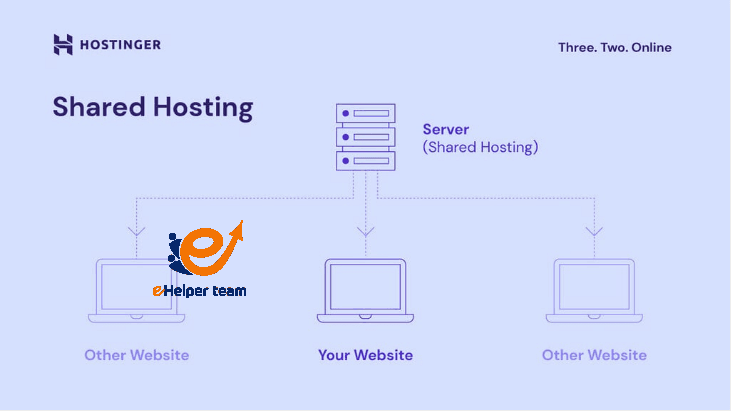
Understanding What a Shared Hosting Solution Really Means
A shared hosting solution is a type of web hosting where multiple websites share the same physical server and its resources, such as CPU, RAM, and disk space. This setup allows hosting providers to offer very affordable plans, making it ideal for beginners, small businesses, and personal websites.


Key Features:
Cost-Effective: Shared hosting is the most budget-friendly option available. Hosting costs are divided among multiple users, allowing you to pay just a fraction compared to a dedicated or VPS plan.
Beginner-Friendly: It requires minimal technical skills. Most shared hosting services include one-click installations for WordPress, free SSL certificates, and user-friendly control panels like cPanel or Plesk.
Managed Infrastructure: The hosting provider handles all server maintenance tasks, including security patches, updates, and uptime management, freeing you to focus solely on your website content.
Who Benefits Most from Shared Hosting?
Shared hosting is best suited for:
Small business websites expect low to moderate traffic.
Bloggers or content creators building their online presence.
Portfolio sites for freelancers, designers, or writers.
Nonprofit organizations or community projects need affordable hosting.
However, it may not be ideal for large-scale eCommerce stores or platforms with high resource demands.
If your website traffic exceeds 10,000 visits per month or you require special configurations, you may need to explore other solutions like VPS hosting or cloud hosting, which offer greater flexibility.
How to Decide if a Shared Hosting Solution Is Right for You
This is where most website owners struggle—knowing when shared hosting fits their needs and when it doesn’t. Here’s how you can decide intelligently.
1. Assess Your Website’s Purpose
Ask yourself: What’s my website’s primary goal?
If it’s a blog, an online resume, or a small store, shared hosting likely fits perfectly. But if you’re running a data-heavy application or a site with constant traffic spikes, shared hosting might limit your performance.
2. Evaluate Traffic Expectations
Shared servers are like living in an apartment building—everyone shares the same resources. If one website consumes too much bandwidth or CPU, others may experience slower performance.
If you expect steady, moderate traffic (under 20,000 visits monthly), a shared hosting solution will handle your needs effectively.
3. Budget Considerations
A shared hosting plan typically ranges from $2–$10 per month, making it ideal for startups or personal websites. You can easily upgrade later as your business scales.
4. Performance and Reliability
While performance is shared, many hosting providers now use advanced technologies such as SSD storage, caching tools, and CDN integration, ensuring consistent uptime and speed.
5. Support and Security
Top-tier hosts provide 24/7 customer support, automatic backups, and malware protection, which is perfect for beginners who don’t want to manage technical issues manually.
In short:
If your website is new, runs light content, and your budget is limited, a shared hosting plan is a smart and safe start.
Comparing Shared Hosting vs. Reseller Hosting — Which Fits Your Strategy?
Once you understand shared hosting, it’s important to compare it with other common solutions like reseller hosting. Both use shared resources, but their purposes differ greatly.
You can read a complete comparison in this article on reseller hosting vs shared hosting, but here’s the essential breakdown:
| Feature | Shared Hosting | Reseller Hosting |
|---|---|---|
| Purpose | Host your own website(s) | Host websites for others (business use) |
| Resource Control | Limited | More flexible |
| Pricing | Low-cost | Slightly higher |
| Target User | Beginners or individuals | Entrepreneurs or agencies |
When to Choose Reseller Hosting Instead
If you’re planning to start your own hosting business or manage multiple clients’ websites, reseller hosting might make more sense. It allows you to allocate resources, create sub-accounts, and even brand the hosting service under your name.
However, if your goal is simply to host a single website, or maybe a few small ones, a shared hosting solution remains the simplest and most cost-effective approach.
Performance Differences
In shared hosting, resources are distributed among users equally. In reseller hosting, you gain more administrative privileges, but performance can still depend on the same shared server infrastructure.
Always check the server uptime guarantee (at least 99.9%) and data center locations before committing to any plan—both play a crucial role in long-term site performance.
Shared Hosting vs. VPS Hosting — What’s the Real Difference?
As your website begins to grow, one question inevitably arises: should you upgrade from a shared hosting solution to a VPS (Virtual Private Server)? Understanding this distinction is essential before investing further in your website infrastructure.
While both hosting types provide server space, the difference lies in control, performance, and resource allocation.
| Feature | Shared Hosting | VPS Hosting |
|---|---|---|
| Server Resources | Shared among multiple users | Dedicated portion for each user |
| Performance | Can fluctuate depending on others | Consistent and reliable |
| Customization | Limited access to settings | Full root access and customization |
| Scalability | Basic | High |
| Cost | Affordable | Moderate to expensive |
A shared hosting solution is perfect for small websites with predictable traffic. However, as you expand—perhaps launching an eCommerce platform or a digital product line—you’ll need more speed and flexibility.
In that case, you might consider reading this in-depth guide about VPS hosting and its possibilities, which explains how VPS gives you more control without the cost of a dedicated server.
When to Upgrade from Shared to VPS Hosting
You should start thinking about upgrading if:
Your website’s load times are noticeably slower.
You receive frequent resource usage warnings from your hosting provider.
You need to install custom software or configure specific security measures.
Your traffic consistently exceeds 20,000–30,000 monthly visits.
In simple terms, shared hosting is like renting an apartment—you share walls and resources. VPS hosting is more like owning a condo—you have your own dedicated space, but still share the building infrastructure.
Recommendation: Start with shared hosting, and once your business grows, migrate to VPS hosting smoothly. Most modern hosting companies allow seamless upgrades without downtime.
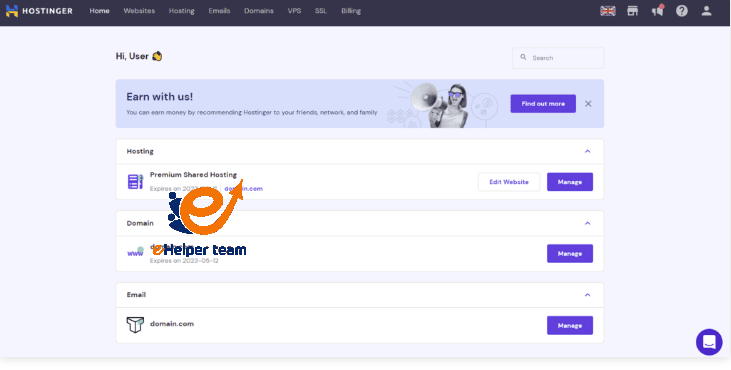
Common Mistakes When Choosing a Shared Hosting Plan
Selecting the wrong shared hosting solution can lead to poor performance, downtime, and unnecessary costs. Let’s look at some common mistakes users make—and how to avoid them.
1. Focusing Only on Price
While affordability is the main attraction of shared hosting, choosing the cheapest plan available can be risky. Often, ultra-low-cost providers compromise on security, speed, or customer support. Always prioritize value over price.
2. Ignoring Server Locations
Server proximity plays a major role in website loading speed. If most of your visitors are from Europe, choose a host with data centers in Europe. This ensures faster page loads and improved SEO rankings.
3. Overlooking Renewal Fees
Many hosting companies offer discounted first-year rates but drastically increase renewal costs. Always read the fine print before committing to a plan.
4. Not Considering Future Growth
Your needs may change as your business evolves. Choose a provider that allows easy scalability—the ability to upgrade seamlessly to VPS or dedicated hosting.
5. Neglecting Support Quality
Reliable customer support is vital, especially for beginners. Look for 24/7 live chat, ticket systems, or even phone support options.
A strong support system can be the difference between a minor hiccup and a catastrophic website failure.
6. Skipping Research
Before committing, explore reviews and performance benchmarks. Consider checking out comparisons like Top 9 Global Hosting Companies, which provides detailed insights into the most reliable hosting providers globally.
By avoiding these pitfalls, you can make a confident and informed choice—ensuring your shared hosting solution delivers maximum value.
Best Shared Hosting Providers in 2025 and What Sets Them Apart
The hosting market evolves rapidly. As of 2025, several providers stand out for their performance, reliability, and support. Here’s what to look for when choosing the best shared hosting provider.
1. Uptime and Reliability
Anything below 99.9% uptime is unacceptable. Ensure your provider offers a Service Level Agreement (SLA) guaranteeing this benchmark.
2. Speed and Performance
Opt for providers using:
NVMe or SSD storage
Built-in caching (LiteSpeed, NGINX, or Cloudflare integration)
Global CDN access
3. Security Features
Look for essential protections such as:
Free SSL certificates
Daily malware scans
DDoS protection
Automatic backups
4. Ease of Use
A beginner-friendly control panel (like cPanel or Plesk) and one-click CMS installations (WordPress, Joomla, Drupal) are must-haves.
5. Customer Support
Top providers offer 24/7 assistance and comprehensive documentation. Test response times before purchasing.
6. Scalability
Choose a host that lets you upgrade to VPS or cloud hosting easily, without downtime.
By considering these factors, you ensure your shared hosting solution performs efficiently and supports your long-term goals.

Frequently Asked Questions (FAQs)
1. What exactly is a shared hosting solution?
It’s a hosting service where multiple websites share one server’s resources, making it affordable and ideal for small projects.
2. Is shared hosting good for WordPress sites?
Yes, it’s excellent for beginners running WordPress blogs or small business sites. Most providers even offer 1-click WordPress installations.
3. How secure is shared hosting?
Modern shared hosting is secure if you choose a reputable provider that includes SSL, malware scanning, and firewalls.
4. Can I host multiple websites on shared hosting?
Many providers allow this under one plan, but check resource limits before adding multiple domains.
5. How much traffic can shared hosting handle?
Typically, up to 20,000 monthly visits comfortably. Beyond that, performance may degrade.
6. What are the main downsides of shared hosting?
Limited customization, slower performance under high load, and less control compared to VPS or dedicated hosting.
7. Can I upgrade later?
Yes, most hosts allow seamless upgrades to VPS or cloud hosting plans when your traffic grows.
8. How do I choose the best provider?
Focus on uptime, speed, support, and transparent pricing. Check trusted reviews and independent benchmarks.
9. Is shared hosting suitable for eCommerce?
For small stores with limited products, yes. But for larger platforms, consider VPS or dedicated hosting for better performance.
10. What’s the difference between shared and reseller hosting?
Shared hosting serves one user, while reseller hosting lets you manage multiple clients. For details, see this comparison guide.
Conclusion
Choosing the right shared hosting solution ultimately depends on your goals, budget, and expected traffic. For most small to medium websites, it’s an excellent starting point—offering affordability, simplicity, and managed support.
However, the key lies in knowing your limits. Start small, monitor performance, and scale when necessary. The digital world is fast-changing, and the flexibility of shared hosting ensures you can adapt without breaking the bank.
Whether you’re launching your first website or moving an existing one, shared hosting gives you the foundation to grow confidently—step by step—into a more advanced hosting setup when the time comes.