How to Turn Customer Complaint into Loyal Fan – 5 Steps
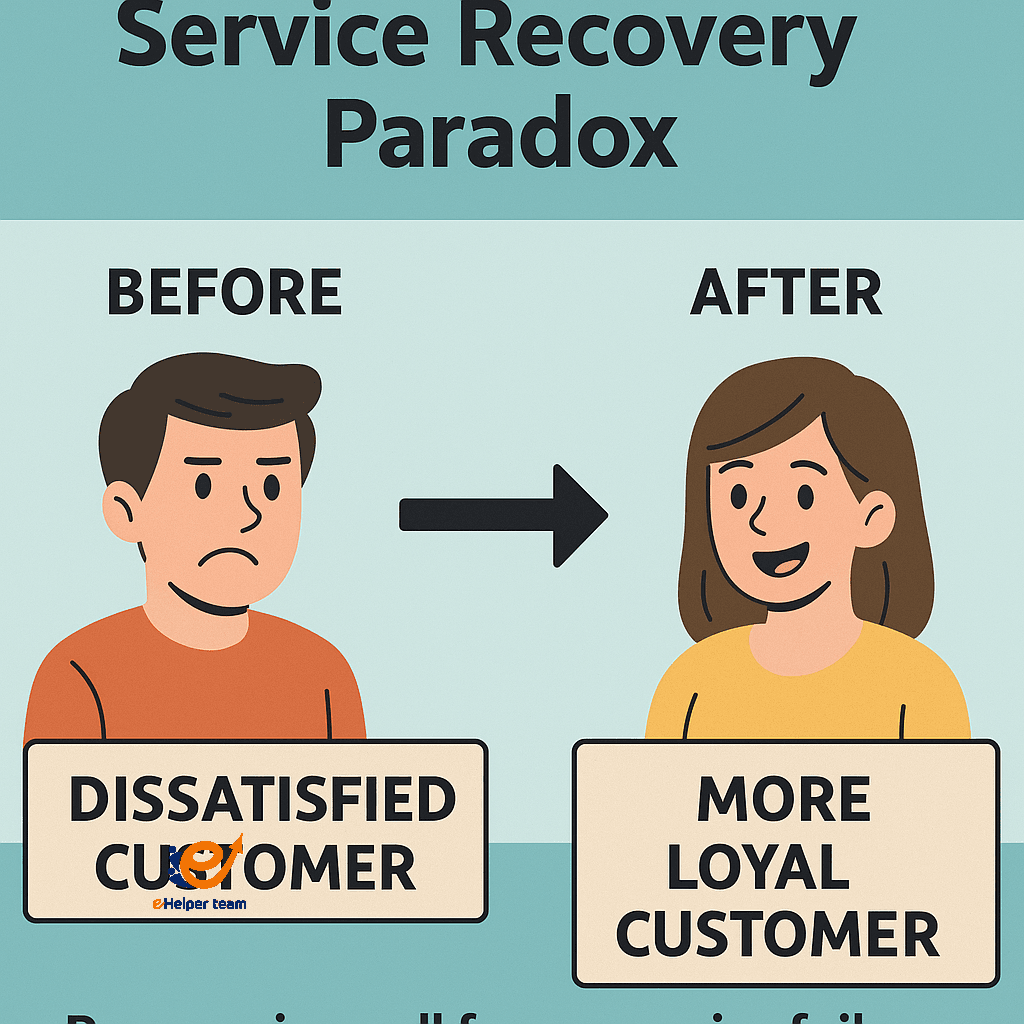
Have you ever wondered if a negative review or an angry email could actually become the turning point for your business? Surprisingly, the answer is yes. When handled the right way, a frustrated customer can transform into your most loyal advocate. In fact, businesses that manage complaints effectively often experience the service recovery paradox, where a customer becomes more satisfied after an issue is resolved than if no problem had occurred in the first place. This is why learning how to turn customer complaint into loyal fan is not just a customer service tactic but a long-term growth strategy.
Think about it: every complaint is a piece of free market research. Instead of paying for surveys, your customer is telling you directly what went wrong and what they expect. By apologizing effectively and addressing the problem head-on, you show empathy and accountability—two qualities that customers value deeply. And once trust is rebuilt, that same customer is more likely to return, recommend you to others, and even defend your brand in the future.
So, how do you turn an upset customer into a brand advocate? It starts with mindset. Rather than seeing complaints as disruptions, view them as opportunities for growth. With a structured recovery process, an empowered support team, and the willingness to offer compensation when needed, you can create a powerful transformation. Let’s break it down step by step.


The Psychology Behind Customer Complaints
Why People Complain in the First Place
Complaints arise not only because of product or service failure but also due to emotional needs. Customers want acknowledgment, fairness, and reassurance that they made the right choice in trusting your business.
The Service Recovery Paradox Explained
The service recovery paradox suggests that a customer who has experienced a well-handled complaint may become even more loyal than one who never encountered a problem. This highlights the value of prompt and professional recovery.
Step 1: Listen Actively and Stay Calm
The Power of Listening
Most customers don’t expect perfection; they expect understanding. By listening actively, you show that their voice matters. Interrupting or being defensive only escalates the situation.
Techniques for Active Listening
Maintain positive body language (if in person)
Repeat the concern back in your own words
Ask clarifying questions to ensure understanding
Step 2: Apologizing Effectively – The Art of Saying Sorry
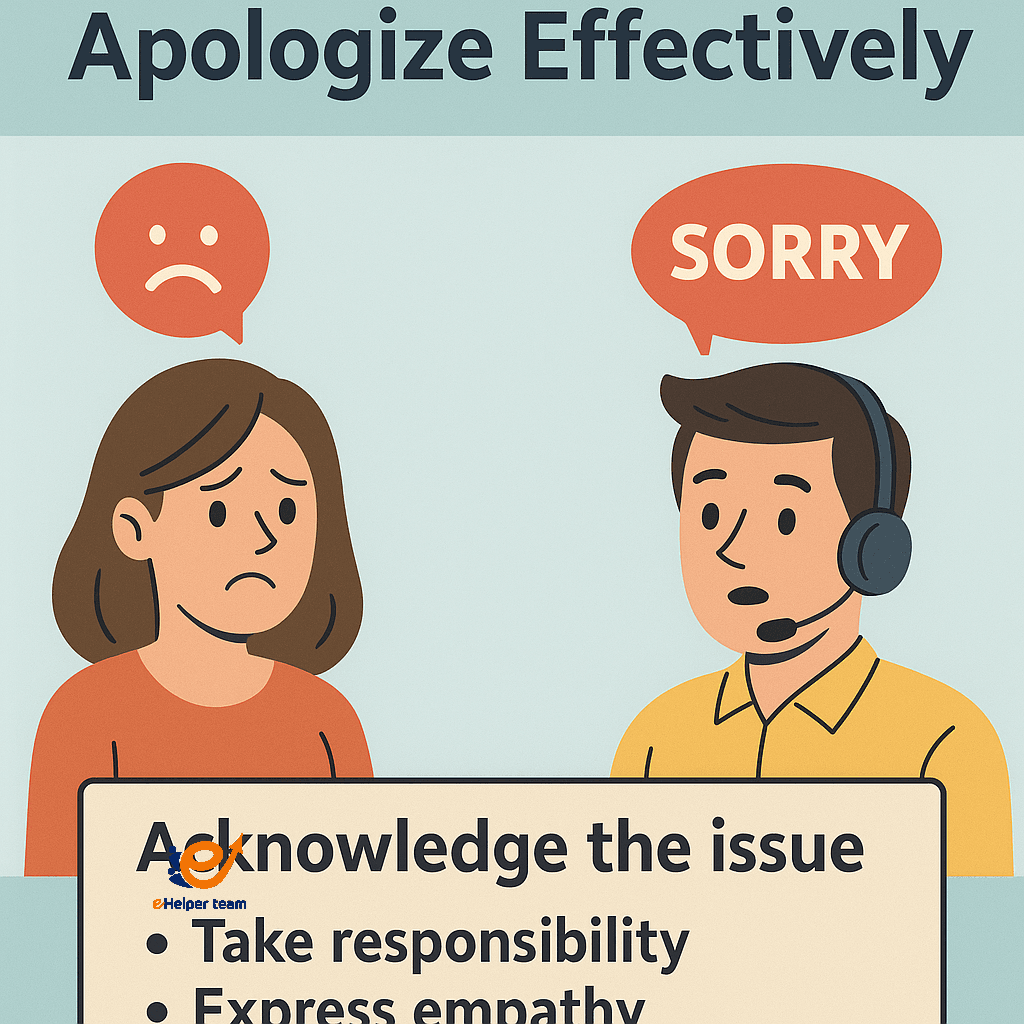
A sincere apology is the foundation of recovery. Customers can tell when an apology is forced or insincere.
Elements of a Strong Apology
Acknowledge the mistake directly
Express genuine regret
Commit to preventing the same issue again
Step 3: Offer Fair and Thoughtful Compensation
Compensation doesn’t always mean money. Sometimes, a heartfelt thank-you note, a replacement product, or early access to services can be more valuable.
Examples of Effective Compensation
Discounts or free upgrades
Complimentary service extensions
Exclusive loyalty program benefits
For more practical tips on handling difficult client situations, check this guide: How to Fire a Client Professionally Without Burning Bridges
Step 4: Empowering the Customer Support Team
Your frontline team is your brand’s voice. Empower them to resolve complaints without needing constant approval from higher management.
Why Empowerment Matters
Faster resolutions
Increased customer satisfaction
Boosted employee confidence and retention
Step 5: Follow Up and Build Long-Term Trust
A complaint doesn’t end with a resolution. Following up ensures the customer feels valued and confirms that corrective actions are working.
Best Practices for Follow-Up
Send a personalized thank-you message
Ask if the resolution met their expectations
Invite feedback on how to improve further
Case Study: How One Company Turned Complaints into Advocacy
A logistics firm in New York faced repeated delivery issues. Instead of avoiding customer frustration, they leaned into it by offering proactive updates, direct apologies, and tailored compensation. Within months, their retention rate grew significantly, proving the power of handling complaints with transparency and care.
Comparison Table: Bad vs. Good Complaint Handling
| Aspect | Poor Handling Example | Excellent Handling Example |
|---|---|---|
| Response Time | Delayed or ignored | Immediate acknowledgment |
| Tone of Communication | Defensive or robotic | Empathetic and professional |
| Resolution Offered | Minimal or none | Fair and valuable compensation |
| Follow-Up | None | Personalized follow-up and check-in |
Building a Culture of Loyalty Beyond Complaints
Complaints shouldn’t be seen as isolated events but as opportunities to strengthen relationships. Embedding recovery strategies into your company culture ensures consistent, long-term customer loyalty.
(External reference for further reading: Customer Loyalty)
The Financial Value of Handling Complaints Well
Most businesses underestimate how much a complaint, if handled poorly, can cost them. Studies show that a single negative experience can drive away multiple potential customers because people tend to share bad experiences more often than good ones.
Impact on Revenue: A lost customer not only stops buying but may also discourage others from buying.
Cost of Acquisition vs. Retention: Winning new customers is far more expensive than keeping existing ones loyal.
Positive Word-of-Mouth: A resolved complaint often leads to referrals, which are the most powerful form of marketing.
According to research by Harvard Business Review, increasing customer retention rates by just 5% can increase profits by 25% to 95%. This proves why learning how to turn customer complaint into loyal fan is a financial strategy, not just a customer service tactic.
The Role of Technology in Complaint Resolution
AI and Chatbots in First Response
AI-driven chatbots can quickly acknowledge complaints, offering immediate recognition even before a human agent intervenes. While not a replacement for empathy, they set the stage for faster resolutions.
CRM Systems for Tracking Complaints
Customer Relationship Management (CRM) tools allow businesses to:
Log complaints systematically
Monitor repeat issues
Assign responsibility for follow-ups
By empowering customer support team members with technology, complaints turn into data-driven opportunities for improvement.
Cultural Differences in Complaint Handling
Handling complaints effectively also means understanding cultural expectations.
US and UK Customers: Value quick responses and straightforward solutions.
Asian Markets: Often expect more formal apologies and gestures of respect.
European Markets: Place emphasis on fairness and transparency.
Global businesses must train teams accordingly to avoid cultural missteps.
Leadership’s Role in Turning Complaints into Loyalty
A company’s leadership sets the tone for how complaints are handled. When leaders prioritize transparency and customer care, employees follow.
What Leaders Should Do
Create policies that empower front-line workers
Invest in complaint resolution training
Recognize employees who successfully recover customer relationships
Leadership involvement ensures that complaint resolution isn’t just reactive—it becomes part of the organizational DNA.
Case Study 2: Starbucks and Customer Recovery
Starbucks is famous for its “Latte Method” in dealing with complaints:
Listen to the customer
Acknowledge the problem
Take Action to fix it
Thank the customer
Explain what you did
This simple framework helps employees quickly resolve issues while keeping customers engaged. Over time, it has contributed to Starbucks’ reputation for strong customer service and loyalty.
Complaint Handling Mistakes to Avoid
Even the best-intentioned businesses sometimes mishandle complaints. Common mistakes include:
Offering excuses instead of solutions
Blaming the customer for the issue
Making promises without following through
Ignoring the emotional impact of the problem
Avoiding these pitfalls ensures your recovery process builds loyalty rather than resentment.
Turning Complaints into Innovation
Every complaint highlights a gap in your process. When you track complaints collectively, they often reveal patterns that can drive product or service innovation.
For example:
If customers frequently complain about delivery delays, you can strengthen logistics partnerships.
If users often struggle with your software’s interface, a redesign could dramatically improve satisfaction.
Thus, each complaint becomes not just a single problem but a guide for continuous improvement.
Why Speed Matters in Complaint Recovery
The timing of your response can make or break the recovery process.
Immediate acknowledgment shows respect.
Fast resolutions minimize frustration.
Proactive updates prevent customers from chasing answers.
A slow response, even with the right solution, may still cause long-term damage to loyalty.
Integrating Complaint Management with Marketing
Handled well, complaint recovery can be turned into a marketing advantage. Brands can (with customer permission) share stories of how they transformed a negative experience into a positive one.
This not only builds trust but also demonstrates authenticity—something modern consumers crave.
Frequently Asked Questions (FAQs)
1. What is the best way to turn a customer complaint into a loyal fan?
The best way is to listen actively, apologize sincerely, offer compensation if needed, empower your team, and follow up with care.
2. What is the service recovery paradox?
It’s the phenomenon where a customer becomes more loyal after a well-handled complaint than if no issue had occurred.
3. Should every complaint come with compensation?
Not necessarily. Sometimes a genuine apology and quick resolution are more effective than financial compensation.
4. How can businesses prevent future complaints?
By analyzing feedback, improving processes, and training teams to deliver consistent service.
5. Why is empowering the customer support team so important?
It speeds up resolutions, enhances customer experience, and strengthens brand trust.
Conclusion: Complaints as a Gateway to Loyalty
Turning complaints into loyalty is not about damage control—it’s about growth. With the right strategy, every customer complaint becomes an invitation to build deeper trust and create lasting fans. Instead of fearing negative feedback, embrace it as the foundation of a stronger customer relationship.