Showcasing Your Work on Behance: Turn Your Designs Into Global Opportunities
Showcasing Your Work on Behance has become a critical step for graphic designers who want to stand out in a highly competitive creative industry. But why do some designers gain massive exposure and client opportunities while others struggle to get noticed? Is it purely about talent, or does strategy play a much bigger role than most people realize?
Behance is more than just a platform to upload designs—it is a global creative network where portfolios are discovered, evaluated, and shared by professionals, brands, and agencies. Designers who understand how to present their work effectively can transform their Behance profiles into powerful career tools. From project structure to visual storytelling, every detail affects how your portfolio is perceived.
This article explores how to build, optimize, and grow a graphic design portfolio on Behance in a professional and strategic way. You will learn how to position your work, attract attention, and increase credibility while avoiding common mistakes that limit exposure and growth.
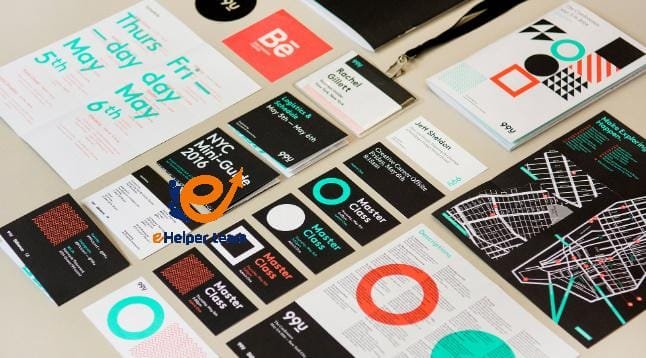


What Is Behance and Why It Matters for Graphic Designers
Behance is a creative platform designed to showcase visual work across multiple disciplines, including graphic design, branding, illustration, UI/UX, and motion design. It allows creatives to publish projects, follow other designers, and gain recognition from a global audience.
Key reasons Behance is essential for designers include:
Global visibility for creative work
Professional presentation of design projects
Opportunities for networking and collaboration
Increased chances of being discovered by clients and recruiters
A well-structured Behance profile functions as a digital design portfolio, offering credibility and accessibility that traditional portfolios often lack.
The Importance of a Professional Graphic Design Portfolio
A portfolio is not just a collection of designs—it is a visual narrative that communicates your skills, style, and problem-solving ability. On Behance, portfolios are evaluated quickly, which makes first impressions extremely important.
A professional portfolio should demonstrate:
Clear design thinking
Consistency in visual identity
Strong typography and layout
Practical solutions to real-world problems
Your portfolio is often the deciding factor in whether someone chooses to contact you, follow your work, or ignore it entirely.
Creating a Professional Portfolio on Behance
Creating a Professional Portfolio on Behance requires planning, structure, and intention. Random uploads without context rarely perform well.
Define Your Creative Focus
Before uploading any project, define your niche. Are you a branding designer, UI/UX specialist, or illustrator? A focused portfolio attracts the right audience.
Benefits of specialization:
Clear professional identity
Better audience targeting
Stronger brand positioning
Avoid mixing unrelated styles unless they are presented under a cohesive concept.
Structuring Projects for Maximum Impact
Each project should tell a story. Successful designers use visual storytelling to guide viewers through their creative process.
A strong project structure includes:
Project title and short description
Client or concept overview
Design objectives and challenges
Visual development and mockups
Outcome and applications
This structure demonstrates professionalism and builds trust with viewers.
Choosing the Right Visuals
High-quality visuals are essential. Poor presentation can reduce the perceived value of even excellent designs.
Best practices include:
Using mockups to show real-world applications
Maintaining consistent image sizes
Avoiding cluttered layouts
Highlighting key design elements
Your visuals should be clean, engaging, and easy to scan.
Optimizing Your Behance Profile for Visibility
Your profile is just as important as your projects. A well-optimized profile increases credibility and discoverability.
Key elements to optimize:
Professional profile image
Clear and concise bio
Relevant skills and creative fields
Consistent visual style
Your bio should clearly communicate who you are, what you do, and who you work with.
Showcasing Your Work on Behance Strategically
Showcasing Your Work on Behance effectively requires more than uploading finished designs. Strategic presentation increases engagement and reach.
Important strategies include:
Posting projects consistently
Writing clear and engaging project descriptions
Using accurate creative categories
Maintaining a cohesive portfolio aesthetic
Consistency signals professionalism and helps build a recognizable creative brand.
How to Get Projects from Behance
How to Get Projects from Behance is one of the most common goals for designers on the platform. While Behance is not a freelance marketplace, many clients actively search for designers through portfolios.
Positioning Your Portfolio for Clients
Clients look for clarity and reliability. Your portfolio should answer three questions instantly:
What services do you offer?
What type of clients do you work with?
What problems can you solve?
Use clear project descriptions and professional language to communicate value.
Demonstrating Real-World Experience
Projects that show practical application tend to perform better than abstract concepts.
Examples include:
Brand identity systems
Social media designs
Website interfaces
Packaging and print materials
These projects help clients visualize how your work fits their needs.
Gaining Exposure on Behance
Gaining Exposure on Behance requires active participation and smart publishing habits.
Timing and Consistency
Posting at consistent intervals helps maintain visibility. Designers who publish regularly are more likely to appear in feeds and recommendations.
Tips for consistency:
Create a content schedule
Batch projects in advance
Update older projects periodically
Consistency builds momentum and audience trust.
Engaging with the Creative Community
Behance rewards interaction. Engagement increases visibility and strengthens professional relationships.
Effective engagement methods:
Appreciating and commenting on other projects
Following designers in your niche
Responding to feedback on your work
This interaction positions you as an active member of the creative community.
Common Mistakes Designers Should Avoid on Behance
Many designers limit their growth by making avoidable mistakes.
Common issues include:
Uploading unfinished or low-quality work
Overloading projects with too many visuals
Ignoring project descriptions
Inconsistent branding across projects
Avoiding these mistakes significantly improves portfolio performance.
Comparing Behance with Traditional Portfolios
Behance offers advantages that traditional portfolios often lack.
| Feature | Behance | Traditional Portfolio |
|---|---|---|
| Global exposure | Yes | Limited |
| Community interaction | Yes | No |
| Easy updates | Yes | Sometimes |
| Discovery by clients | High | Moderate |
Behance combines portfolio presentation with social visibility, making it a powerful career platform.
Long-Term Growth Strategies for Designers on Behance
Sustainable success requires long-term thinking.
Effective strategies include:
Refining your niche over time
Updating projects with improved versions
Tracking engagement and performance
Aligning your portfolio with career goals
Treat your Behance profile as a living portfolio that evolves with your skills.
Building a Personal Brand Through Behance
Behance is not only a portfolio platform but also a powerful tool for personal branding for designers. Your profile represents your creative identity, and every visual element contributes to how you are perceived professionally.
To build a strong personal brand on Behance, focus on:
Consistent color palettes and typography
A recognizable design style
Clear messaging across all projects
A professional tone in descriptions
When viewers recognize your style instantly, your work becomes more memorable and shareable.
Using Case Studies to Strengthen Your Portfolio
One of the most effective ways to increase credibility is by presenting projects as design case studies. Case studies show how you think, not just what you create.
A strong case study includes:
Problem definition
Research and inspiration
Design exploration
Final solution and results
This approach positions you as a problem-solver rather than just a visual designer.
Understanding Behance Algorithms and Project Visibility
While Behance does not fully disclose its system, certain factors influence project discoverability on Behance.
Key elements that affect visibility include:
Engagement in the first 24–48 hours
Proper use of creative fields
High-quality cover images
Consistent publishing activity
Designers who understand these factors can significantly improve reach and interaction.
Leveraging Behance Features to Maximize Reach
Behance provides built-in tools that help creatives increase exposure when used strategically.
Important features include:
Featured project covers
Work-in-progress previews
Creative fields and tags
Profile highlights
Using these features correctly supports organic growth on Behance without paid promotion.
Creating Portfolio Projects Without Client Work
Many designers hesitate to publish because they lack client projects. However, self-initiated design projects can be equally powerful when executed professionally.
Ideas for personal projects:
Brand redesign concepts
UI challenges and daily design tasks
Fictional company branding
Concept-based social media campaigns
These projects demonstrate creativity, initiative, and skill development.
Balancing Creativity and Commercial Appeal
A successful Behance portfolio balances artistic expression with market relevance. Clients want creativity, but they also look for usability and practicality.
To achieve this balance:
Present designs in real-world contexts
Explain design decisions clearly
Show adaptability across industries
Maintain professional presentation
This balance increases trust and client confidence.
Measuring Portfolio Performance on Behance
Tracking performance helps you refine your strategy and improve results over time.
Metrics to monitor include:
Project views
Appreciations
Follower growth
Engagement rate
Analyzing these metrics supports data-driven portfolio optimization.
Updating and Maintaining a High-Quality Portfolio
A Behance portfolio should evolve with your skills and experience. Outdated projects can weaken your profile.
Best practices for maintenance:
Remove weak or irrelevant projects
Update visuals with improved versions
Refresh project descriptions
Align content with current career goals
Regular updates signal professionalism and commitment.
Turning Behance Visibility Into Long-Term Opportunities
Exposure alone is not enough. Designers should know how to convert attention into real outcomes.
Effective conversion strategies include:
Clear contact information
Professional communication tone
Defined services and specialties
Consistent follow-up with inquiries
This approach transforms visibility into sustainable career growth.
Behance as Part of a Multi-Platform Portfolio Strategy
While Behance is powerful, it works best as part of a broader online portfolio strategy.
Complement Behance with:
A personal website
Social media design platforms
Professional networking channels
This integration strengthens your digital presence and increases opportunity flow.\

Call to Action
If you want to build a strong reputation as a designer, start treating your Behance profile as a strategic asset—not just a gallery. Focus on clarity, consistency, and professional presentation. Over time, your portfolio can become a powerful gateway to new opportunities, recognition, and long-term career growth.
Frequently Asked Questions (FAQ)
Q1: Is Behance suitable for beginner graphic designers?
Yes, beginners can use Behance to build visibility, practice presentation skills, and receive feedback from the creative community.
Q2: How many projects should a Behance portfolio include?
Quality matters more than quantity. A focused portfolio with 6–10 strong projects is often more effective than many average ones.
Q3: Can Behance help attract international clients?
Yes, Behance has a global audience, making it easier to reach clients and agencies worldwide.
Q4: Should I include personal projects on Behance?
Absolutely. Personal projects showcase creativity, initiative, and experimentation when client work is limited.