Backlink analysis and all about it let’s know now
In 2025, Backlink analysis has become the foundation of every serious SEO campaign. Backlinks act as digital endorsements that tell Google, “This content is worth trusting.”
However, not all backlinks are beneficial — some can dramatically lower your rankings if they come from spammy or irrelevant websites.
Understanding which links add value and which ones hurt your site requires careful study, known as Backlink analysis. Through it, marketers can discover new link opportunities, track competitors, and remove toxic links that damage their authority.
If you’re aiming to improve your rankings quickly, learning how to obtain high-quality backlinks is the first practical step. It explains methods to secure high-authority links that genuinely impact search visibility.
Let’s dive deeper into what backlink analysis really means, why it’s vital, and how to master it like a pro.

What Is Backlink Analysis and Why It’s the Core of SEO Success
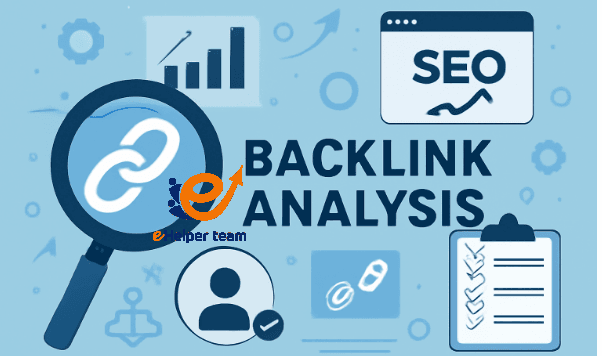
At its essence, Backlink analysis is the process of reviewing all websites that link to yours, evaluating how those links affect your domain’s reputation and rankings.
The Purpose Behind Analyzing Backlinks
Quality Assurance: To confirm that each backlink helps rather than harms your SEO performance.
Competitive Insight: To find out where your competitors are earning strong links so you can replicate or outperform them.
Strategic Planning: To identify link-building gaps and set goals for future outreach.
Good vs. Bad Backlinks
Good Backlinks: Come from relevant, high-authority, and trustworthy websites within your niche.
Bad Backlinks: Originate from spammy domains, unrelated content, or automated link farms.
Ignoring this analysis can lead to penalties or lost visibility. You can further explore proven backlink strategies for building quality links that align with Google’s latest updates.
Key Metrics to Review in Backlink Analysis
When performing a Backlink analysis, it’s important to focus on the right metrics — not just the number of backlinks, but their quality and impact on your domain authority.
1. Domain Authority (DA) and Domain Rating (DR)
These metrics show how powerful a website is. The higher the DA or DR, the stronger the backlink.
2. Relevance of Linking Domain
Backlinks should come from websites related to your niche. For instance, if you work in marketing, a link from an SEO blog has far more value than one from a cooking site.
3. Anchor Text Optimization
Anchor text should be relevant, natural, and contextually placed. Avoid overusing the same keyword, as it may look manipulative to search engines.
4. Spam Score and Toxic Links
High spam scores indicate risky links. Tools like Moz Pro and SEMrush can help detect these harmful backlinks automatically.
To understand how to clean and optimize your backlink profile, check out backlink analysis tools that show how to filter, monitor, and remove spammy links effectively.
5. Link Placement and Context
Links placed naturally inside high-quality content — rather than footers or sidebars — have a stronger positive effect on rankings.
By using trusted link-building strategy methods and focusing on high-authority backlinks, you can build a clean and powerful backlink profile that boosts your SEO performance over time.
Step-by-Step Guide to Performing a Professional Backlink Analysis
A complete Backlink analysis follows these structured steps:
Step 1 – Collect Backlink Data
Use trusted tools like Ahrefs, SEMrush, or Moz to export all existing backlinks for your domain.
Include metrics such as referring domain, anchor text, and link status (follow/nofollow).
Step 2 – Evaluate Link Quality
Prioritize links from domains with high DR/DA and low spam scores.
Filter out paid links, blog comments, or irrelevant directories that offer no real value.
Step 3 – Analyze Competitor Profiles
Study where your competitors get their strongest backlinks.
You might uncover guest post opportunities, partnerships, or resource pages you hadn’t considered.
Step 4 – Detect and Disavow Toxic Links
Use Google’s Disavow Tool to eliminate harmful backlinks dragging your rankings down.
For guidance, read how to get backlinks from high-quality websites safely through trusted platforms that match publishers and brands.
Step 5 – Report and Monitor Progress
Create monthly reports tracking:
New vs. lost backlinks
Referring domains’ average authority
Anchor text distribution
Traffic improvements
This consistent routine ensures your link profile remains clean, relevant, and powerful.
How Backlink Analysis Supports Effective Link Building
Without proper Backlink analysis, link-building campaigns risk wasting time and resources.
Analysis provides the intelligence you need to target only valuable opportunities.
- Data-Driven Link Outreach
By knowing which types of links bring traffic and authority, you can refine outreach messages and focus on meaningful collaborations.
- Example of Practical Implementation
Marketers often partner with digital PR networks like iCopify Backlink Marketplace to publish content on authoritative websites.
When combined with manual link audits, this creates a sustainable and penalty-free SEO growth model.
- Long-Term Impact
Consistent analysis prevents negative SEO, helps balance link types (dofollow/nofollow), and builds domain trust over time.
Advanced Backlink Analysis Techniques for 2025
As SEO evolves, so do the methods of performing Backlink analysis. In 2025, marketers are relying more on automation and AI-driven tools to gain deeper insights into link quality, link velocity, and domain trust.
1. Use AI-Powered Backlink Tools
Modern backlink analysis tools use artificial intelligence to predict the potential value of a backlink even before it’s created. They analyze hundreds of signals — like domain age, niche relevance, and engagement metrics — to determine link strength.
2. Monitor Link Velocity
A sudden spike in backlinks can trigger red flags in Google’s algorithms. Regular monitoring ensures your link growth looks natural.
3. Identify Patterns in Competitor Links
By comparing your backlinks with competitors, you can spot trends — like the blogs or media outlets linking most often to leaders in your niche.
For example, professionals often check high authority backlinks sources to see where top brands are earning trusted links. This helps replicate success without using spammy or outdated tactics.
4. Combine Metrics from Multiple Tools
Relying on just one tool (like Moz or Ahrefs) can miss valuable data. Cross-check your backlink metrics using different databases to ensure accuracy and completeness.
How to Recover from Toxic Backlinks
Even the most careful websites attract toxic backlinks from spammy directories, hacked sites, or automated link generators. These harmful links can cause ranking drops or manual Google penalties.
1. Identify Bad Links
Start by scanning your site using backlink audit tools such as SEMrush, Ahrefs, or Google Search Console. Look for domains with:
High spam scores
Irrelevant topics
Non-English content (if your audience is English)
Hidden or redirected links
2. Use Google’s Disavow Tool
Once harmful links are identified, use Google’s Disavow Tool to tell search engines to ignore them. This prevents them from affecting your rankings.
3. Replace with Positive Links
After removing bad backlinks, rebuild your authority using quality backlinks through outreach and guest posting. You can follow guides on link-building strategy that focus on natural and safe link acquisition methods.
4. Continuous Monitoring
Toxic links can appear anytime, so schedule monthly backlink reviews. This proactive approach helps you maintain a healthy backlink profile that supports long-term growth.
Top Backlink Analysis Tools for 2025
The right tools make Backlink analysis more accurate and time-efficient. Below are some of the best software and platforms to use this year:
| Tool | Key Features | Best For |
|---|---|---|
| Ahrefs | DR score, backlink history, and anchor text breakdown | Comprehensive link data |
| SEMrush | Toxic link detection and backlink audits | Site health & cleanup |
| Moz Pro | Domain Authority & spam score metrics | Monitoring domain trust |
| Majestic SEO | Trust Flow & Citation Flow analysis | Historical backlink trends |
| iCopify | Marketplace for high authority backlinks | Safe link building and outreach |
Using a mix of these SEO backlinks tools allows you to monitor, build, and protect your site’s link ecosystem effectively.
The Future of Backlink Analysis
The world of Backlink analysis is shifting quickly. Google’s algorithms are smarter than ever, focusing on context and user engagement instead of just the number of links.
1. Contextual Relevance Is the New Authority
In the future, backlinks will only be valuable if they’re highly relevant to your topic. For instance, a backlink from a niche marketing blog will outperform a generic one from a high-DA news site.
2. Engagement-Based Value
Search engines now evaluate whether users actually click on and engage with linked content. This means backlinks that drive real traffic will carry more weight than inactive ones.
3. Predictive Link Building
AI will soon recommend potential backlink sources before your competitors even target them. Predictive SEO will change how link building works, making it faster and more precise.
To prepare for this, marketers should stay updated through resources like backlink analysis techniques that explain new trends and best practices.
Key Takeaways
Backlink analysis is the foundation of every successful SEO strategy.
Focus on quality backlinks over quantity.
Audit your link profile regularly to remove harmful links.
Use high authority backlinks to boost your trust signals.
Combine data from multiple tools for accurate insights.
Stay proactive — SEO is a long-term game.
By combining smart link-building with detailed analysis, you’ll maintain a clean, powerful backlink profile that supports consistent ranking growth.
Frequently Asked Questions (FAQs) About Backlink Analysis
1. What is backlink analysis?
It’s the process of reviewing and assessing your site’s backlinks to determine their quality, relevance, and impact on SEO.
2. Why do I need backlink analysis?
Because it helps you detect harmful links, identify valuable ones, and plan better link-building campaigns.
3. How often should I perform backlink analysis?
At least once every 2–3 months, depending on how fast your site earns new backlinks.
4. What tools are best for backlink analysis?
Top tools include Ahrefs, SEMrush, Moz, and Majestic for data accuracy and link auditing.
5. What are toxic backlinks?
These are spammy or irrelevant links that can harm your rankings or cause manual Google penalties.
6. How do I get rid of bad backlinks?
Use Google’s Disavow Tool after identifying harmful links through an audit.
7. What are high authority backlinks?
They are links from trusted, reputable websites with strong domain metrics and relevance to your topic.
8. Can I buy backlinks safely?
Only from verified marketplaces that focus on quality backlinks, such as iCopify — never from spammy sellers.
9. What’s the best link-building strategy for SEO?
Focus on content-driven outreach, guest posting, and digital PR to earn links naturally.
10. What’s next for backlink analysis in 2025?
AI, contextual link relevance, and engagement-based ranking signals will shape the future of backlinks.
Conclusion
Backlink analysis isn’t just about counting links — it’s about understanding their value.
The websites that consistently perform Backlink analysis and build high authority backlinks through ethical methods will always lead the search results.
By combining powerful backlink analysis tools, a smart link-building strategy, and consistent audits, you’ll keep your website’s authority strong and your rankings stable for years to come.