Work for People with Disabilities: Empowering Careers Through Remote Job Opportunities


Work for People with Disabilities: Empowering Careers with Remote Work Opportunities
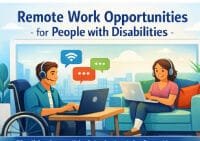
Work for people with disabilities is no longer just a dream—it is an achievable reality. The emergence of remote work has transformed how people with disabilities engage with the workforce, making it possible to find work that aligns with their skills and personal needs. Remote work removes many of the physical barriers traditionally present in the workplace, such as inaccessibility or the need for transportation. But what are the specific benefits of remote work for people with disabilities?
Flexible Work Hours: Remote jobs allow people with disabilities to set their own schedules, making it easier to balance work with medical appointments or other personal needs.
Comfortable Work Environment: Working from home provides individuals with the ability to design a workspace that suits their specific needs, whether it’s ergonomic equipment or reduced sensory stimulation.
Increased Opportunities for Career Growth: Remote work often opens up a wider range of job opportunities since individuals are not limited by geographical location.
This section will delve into the unique advantages that remote work offers to individuals with disabilities, focusing on how it helps create a more inclusive workforce.
Remote Work Opportunities for People with Disabilities: The Growing Landscape
In recent years, the landscape for remote work opportunities for people with disabilities has grown significantly. More and more companies are recognising the value of a diverse workforce and are offering positions that can be done from home. So, how do these opportunities differ from traditional in-office jobs?
Wider Range of Job Roles: Remote positions span various industries, from customer service and tech to marketing and content creation. People with disabilities can apply for roles that match their skills and interests without worrying about physical office constraints.
Better Work-Life Balance: Remote work allows individuals to structure their day in a way that accommodates their unique needs, leading to greater job satisfaction and lower stress levels.
Supportive Technology: Many companies now provide assistive technology and tools that make remote work more accessible for individuals with disabilities, including screen readers, speech-to-text software, and other customised tools.
The growth of these opportunities is significant, as it provides disabled individuals with a broader scope for employment and career growth. This section will highlight some of the best platforms and resources for finding remote work opportunities tailored to people with disabilities.
How to Register on SmartWork: A Step-by-Step Guide
So, how can people with disabilities take advantage of the opportunities offered by platforms like SmartWork? The registration process for SmartWork is simple and user-friendly, designed with accessibility in mind. Below are the steps to register and begin your journey toward remote work opportunities:
Create an Account: Visit the SmartWork website and create an account by entering your details, including your skills, qualifications, and areas of interest.
Complete Your Profile: Once your account is set up, you’ll need to complete your profile by adding relevant work experience, your disability-related accommodations (if needed), and a summary of your professional goals.
Browse Available Jobs: After completing your profile, you can begin browsing the available job opportunities. You can filter jobs based on your qualifications, interests, and preferred work schedule.
Apply for Positions: When you find a job that interests you, simply click to apply. Be sure to tailor your application to highlight how your skills match the job requirements.
By following these simple steps, people with disabilities can start accessing remote work opportunities through SmartWork and begin their careers on the path to success.
Career Growth for Disabled Individuals: Navigating Challenges and Opportunities
Career growth for disabled individuals has traditionally been a challenge, but with the rise of remote work, these challenges are starting to diminish. How can people with disabilities advance in their careers while overcoming the unique obstacles they face?
Skill Development: Remote work allows for continuous learning and skill development, which can help individuals enhance their qualifications and improve their career prospects. Online courses, certifications, and webinars are excellent resources for individuals looking to expand their skill set.
Networking Opportunities: While working remotely, it’s important to stay connected with colleagues and mentors through virtual meetings and online communities. Networking can open doors to promotions, new projects, and career advancement.
Building Confidence: Remote work can empower individuals with disabilities by allowing them to take on meaningful work that aligns with their abilities. As they gain experience and build confidence, they become more capable of pursuing higher-level roles.
This section will explore how individuals with disabilities can achieve career growth through remote work, focusing on skill development, networking, and personal growth.
The Future of Work for People with Disabilities: Trends and Predictions
The future of work for people with disabilities is evolving rapidly, with new trends and technologies transforming how individuals engage with the workforce. Here are some predictions for the future of remote work for people with disabilities:
Increased Inclusivity: As awareness of the importance of diversity and inclusion grows, more companies will embrace remote work models and make their workplaces more accessible.
Advancements in Assistive Technology: The development of new assistive technologies will make remote work even more accessible for individuals with disabilities. These tools will continue to improve the work experience and provide more opportunities for people with disabilities.
Expanding Remote Work Opportunities: As remote work becomes more common, job opportunities for people with disabilities will increase. More industries will adopt flexible work policies, creating a more inclusive and diverse workforce.
The future is bright for people with disabilities who are seeking remote work opportunities. This section will discuss how these trends will continue to shape the employment landscape and what individuals can do to stay ahead of the curve.