Support for Freelance Work for People with Disabilities: Empowering Inclusive and Flexible Careers
Support for Freelance Work for People with Disabilities has become one of the most important questions in today’s evolving labor market. As traditional employment models continue to overlook accessibility and flexibility, many people with disabilities are asking: can freelancing truly offer equal opportunities, or does it come with hidden challenges that require structured support? In a world driven by digital work, ignoring this question means ignoring a large segment of skilled and capable professionals.
With the rapid expansion of remote and independent work, Support for Freelance Work for People with Disabilities is no longer optional—it is essential. Freelancing promises autonomy, flexible schedules, and freedom from physical workplace barriers. But does flexibility alone guarantee success? Without training, financial stability, and professional guidance, freelance work can become unstable rather than empowering.
So how can societies, organizations, and individuals strengthen Support for Freelance Work for People with Disabilities in a meaningful way? Is it enough to create opportunities, or must we also address confidence, mentorship, accessibility, and long-term career growth? Answering these questions is key to building a truly inclusive freelance economy.



Support for Freelance Work for People with Disabilities and Its Growing Importance
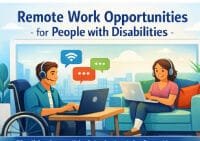
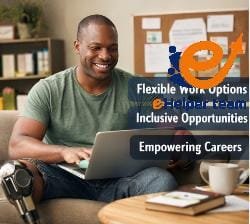
Freelancing has transformed the global workforce by shifting focus from physical presence to skills and results. For people with disabilities, this shift creates opportunities that traditional employment often fails to provide. Freelance work allows individuals to tailor their schedules, work environments, and workloads according to their personal needs.
However, the success of freelancing depends heavily on inclusive employment frameworks and accessible work environments. Without these, people with disabilities may struggle with inconsistent income, lack of credibility, or limited access to professional networks. Strong support systems ensure that freelance work becomes a sustainable career path rather than a temporary solution.
Freelance support is not only about employment—it is about dignity, independence, and long-term financial security. When freelancers with disabilities receive proper guidance and resources, they can compete equally in global markets.
Why Freelance Work Appeals to People with Disabilities
Freelancing offers unique advantages that align well with the needs of people with disabilities. Unlike traditional jobs, freelancing provides flexibility and control over daily routines.
Key reasons freelance work is appealing include:
Freedom to manage health-related needs
Flexible working hours
Reduced transportation challenges
Ability to work in a personalized environment
These benefits contribute to workplace flexibility solutions that promote productivity and mental well-being. Freelancing also allows individuals to focus on strengths rather than limitations, encouraging confidence and independence.
Common Freelance Career Paths for Disabled Professionals
Many freelance roles rely on digital skills rather than physical presence, making them accessible to a wide range of individuals with disabilities.
Popular freelance fields include:
Writing, editing, and content creation
Graphic design and digital illustration
Software development and testing
Online tutoring and education services
Virtual assistance and administrative support
These careers thrive in digital work ecosystems where skill and creativity matter more than physical ability. With proper training and support, disabled professionals can build strong personal brands and long-term client relationships.
Challenges Facing Freelancers with Disabilities
Despite its advantages, freelancing also presents challenges that disproportionately affect people with disabilities.
- Limited Accessibility in Digital Platforms
Many digital tools are not designed with accessibility in mind. Complex navigation, lack of assistive compatibility, and poor design can create unnecessary barriers. Improving accessible digital infrastructure is essential for equal participation.
- Income Uncertainty
Freelancers often experience inconsistent income, which can be particularly difficult for individuals managing medical expenses or support needs. Without financial stability for freelancers, long-term planning becomes challenging.
- Social Isolation
Working independently can lead to isolation, especially when professional interaction is limited. Building inclusive professional communities helps freelancers stay motivated, connected, and supported.
The Role of Skill Development in Freelance Success
Continuous learning is a critical factor in freelance sustainability. Freelancers with disabilities benefit greatly from training programs that focus on both technical expertise and professional skills.
Effective skill development includes:
Digital literacy and online collaboration
Client communication and negotiation
Time and project management
Self-employment and financial planning
These initiatives support career development for disabled professionals, allowing them to adapt to market changes and remain competitive.
Remote Work as a Foundation for Independence
Remote work is a core element of freelancing and a powerful tool for empowerment. It removes geographical barriers and allows individuals to create environments suited to their needs.
Remote freelance work supports:
Personalized accessibility accommodations
Reduced physical strain
Improved work-life balance
Higher productivity and focus
By strengthening remote work accessibility, freelancers with disabilities can maintain independence while delivering high-quality results.
Mentorship as a Catalyst for Growth
Mentorship is one of the most effective ways to support freelance professionals. For people with disabilities, mentorship provides guidance, confidence, and a sense of belonging.
Strong mentorship focuses on:
Career direction and goal setting
Client relationship strategies
Overcoming confidence barriers
Long-term professional planning
Through professional mentorship programs, freelancers gain clarity and resilience, helping them navigate challenges more effectively.
Building Confidence and Self-Advocacy Skills
Confidence plays a major role in freelance success. Freelancers must communicate their value, set boundaries, and advocate for fair treatment.
Important self-advocacy skills include:
Expressing accessibility needs clearly
Negotiating fair compensation
Managing client expectations
Maintaining professional boundaries
Strengthening self-empowerment strategies allows freelancers with disabilities to build respectful and sustainable work relationships.
Institutional Support Systems for Disabled Freelancers
Strong institutional support plays a crucial role in ensuring that freelance work is not only accessible but also sustainable for people with disabilities. Institutions, whether public or private, can create frameworks that protect freelancers from exploitation while encouraging equal participation.
Effective institutional support includes:
Fair payment standards and transparent contracts
Clear accessibility guidelines for freelance engagement
Recognition of freelance work as a legitimate career path
By promoting inclusive labor policies, institutions help normalize freelance careers for people with disabilities and reduce social and economic inequality.
Government Policies and Their Impact on Freelance Inclusion
Government involvement is essential in strengthening freelance ecosystems. Policies that recognize the unique challenges faced by freelancers with disabilities can significantly improve outcomes.
Key policy areas include:
Financial assistance and income protection programs
Tax flexibility for self-employed individuals
Healthcare and disability benefit compatibility with freelance income
Supportive policies enhance economic empowerment initiatives and allow individuals to pursue freelance careers without fear of losing essential support systems.
The Role of Technology in Empowering Disabled Freelancers
Technology acts as a powerful equalizer in freelance work. When designed inclusively, it enables people with disabilities to perform tasks efficiently and competitively.
Important technological contributions include:
Assistive tools for communication and productivity
Adaptive software for creative and technical work
Secure digital payment and project management systems
Investment in assistive technology innovation ensures that freelancers can work independently while maintaining high professional standards.
Building Inclusive Freelance Communities
Freelance success is not achieved in isolation. Community support fosters collaboration, emotional resilience, and professional growth.
Inclusive communities provide:
Peer-to-peer knowledge sharing
Emotional and motivational support
Opportunities for collaboration and referrals
Strong collaborative work networks reduce isolation and help freelancers build confidence and long-term stability.
Case Study: A Path to Sustainable Freelance Success
Consider the experience of a freelance graphic designer with a mobility impairment. Traditional office work presented constant challenges, from commuting difficulties to limited workplace accommodations. Support for Freelance Work for People with Disabilities. Freelancing offered flexibility, Support for Freelance Work for People with Disabilities, but success did not come immediately.
Through targeted skill development, mentorship, and access to inclusive tools, the individual gradually built a reliable client base. Over time, consistent income replaced uncertainty, and professional confidence grew. This journey highlights how career sustainability models can transform freelance work into a long-term solution rather than a temporary alternative.
Financial Planning and Stability for Freelancers with Disabilities
Financial management is a cornerstone of freelance success. Without structured planning, income fluctuations can create stress and insecurity.
Essential financial strategies include:
Budgeting for variable income
Separating personal and business finances
Planning for healthcare and emergency expenses
By promoting financial resilience strategies, freelancers gain control over their economic future and reduce long-term risk.
Mental Health and Well-Being in Freelance Work
Freelancing offers freedom, but it can also introduce emotional challenges such as isolation, stress, and burnout.
Maintaining mental well-being involves:
Setting healthy work boundaries
Scheduling regular breaks and rest periods
Engaging in community and peer support
Addressing mental health awareness in freelancing is critical to ensuring long-term productivity and personal fulfillment.
Promoting Awareness and Reducing Stigma
Social attitudes play a significant role in shaping opportunities for freelancers with disabilities. Support for Freelance Work for People with Disabilities. Support for Freelance Work for People with Disabilities. Misconceptions about capability often limit access to meaningful work.
Awareness initiatives help by:
Highlighting success stories
Challenging stereotypes
Educating clients and organizations
Through disability inclusion advocacy, freelance work becomes a respected and valued career choice rather than a last resort.
Future Trends in Freelance Work for People with Disabilities
The future of freelance work is closely tied to digital innovation and social inclusion. Emerging trends suggest greater opportunities for people with disabilities.
Key trends include:
Increased demand for remote and flexible services
Growth of inclusive digital workspaces
Expansion of global freelance markets
These developments support future-of-work inclusion strategies, creating a more equitable professional landscape.

Creating an Inclusive Freelance Future
True empowerment requires a collective effort. Individuals, organizations, and policymakers must work together to strengthen support systems and remove barriers to progress.
Take action by:
Encouraging inclusive hiring practices.
Supporting mentorship and training initiatives.
Advocating for accessible tools and policies.
By committing to inclusive economic participation, we can ensure that freelance work becomes a pathway to independence, dignity, and success for people with disabilities.
Frequently Asked Questions (FAQ)
What makes freelance work suitable for people with disabilities?
Freelance work offers flexibility, autonomy, and the ability to adapt work environments to individual needs, reducing many traditional employment barriers.
How can freelancers with disabilities achieve income stability?
Through financial planning, skill development, diversified clients, and supportive policies that recognize freelance income.
Why is mentorship important for disabled freelancers?
Mentorship provides guidance, confidence, and professional insight, helping freelancers navigate challenges and grow sustainably.
What role does technology play in freelance inclusion?
Inclusive technology enables accessibility, productivity, and independence, making freelance work more equitable.
How can society better support disabled freelancers?
By promoting inclusive policies, reducing stigma, investing in accessibility, and recognizing freelance work as a legitimate career path.
Conclusion
Support for freelance work for people with disabilities is not simply about providing access to jobs—it is about creating sustainable, empowering, and inclusive career pathways. Freelancing offers flexibility, independence, and control, but without proper systems in place, many individuals still face barriers that limit their potential. True inclusion requires more than opportunity; it demands commitment, understanding, and long-term support.
By strengthening accessibility, expanding mentorship, improving financial security, and promoting inclusive policies, freelance work can become a reliable and respected career option for people with disabilities. When individuals are equipped with the right tools, skills, and confidence, they can contribute meaningfully to the global economy while maintaining their dignity and well-being.
An inclusive freelance future benefits everyone. Support for Freelance Work for People with Disabilities It encourages innovation, values diverse perspectives, and challenges outdated assumptions about ability and productivity. Support for Freelance Work for People with Disabilities. Supporting freelancers with disabilities is not a charitable act—it is a strategic investment in talent, resilience, and economic growth. By working together, societies can ensure that freelance work becomes a true pathway to independence, equality, and lasting success.