Finding Remote Jobs on We Work Remotely – Best Remote Careers Guide
Have you ever wondered why Finding Remote Jobs on We Work Remotely has become one of the most searched phrases today? With millions of professionals shifting to flexible work models, it’s natural to ask whether remote job platforms truly offer reliable opportunities or if they are just another digital maze. The remote-work world continues to expand, yet many people still struggle to understand where the best roles are, how to apply effectively, and what stands out to employers in a competitive online market.
As remote opportunities rise across industries, many job seekers question whether traditional job hunting strategies still work. Does sending dozens of applications help, or is a targeted, more effective approach more beneficial? Understanding how platforms like We Work Remotely operate gives you a huge advantage, especially when thousands compete for the same role. That’s why exploring the best-performing categories, essential skills, and proven application methods can completely change your job-search journey.
So what makes We Work Remotely one of the most trusted platforms globally? The answer lies in its simplicity, its curated listings, and its reputation among leading companies. In this guide, you’ll learn exactly how to navigate the platform, how to strengthen your remote-friendly profile, and which job categories offer the most growth and stability. Let’s begin uncovering the smart way to build a successful remote career.
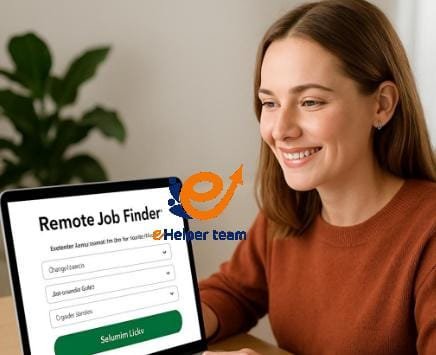


Understanding We Work Remotely and Its Impact on Modern Employment
What Makes We Work Remotely Unique?
We Work Remotely is universally recognized as one of the oldest and most established remote-job platforms. Companies across the world rely on it because the site filters out low-quality listings and focuses heavily on trusted employers. Unlike generalized job boards, this platform specializes in flexible, borderless roles suitable for a global workforce. Many applicants appreciate that the website highlights real companies instead of anonymous or vague job posts.
Why Job Seekers Prefer Remote-Focused Platforms
Remote platforms simplify the job search by grouping opportunities designed for distributed teams. This means candidates can expect clear expectations, time-zone considerations, and roles adaptable to modern digital workflows. The rise of global digital careers has pushed workers to look for platforms that reflect today’s evolving work culture. As a result, We Work Remotely attracts professionals who value autonomy, location freedom, and long-term growth.
Finding Remote Jobs on We Work Remotely: A Complete Guide
How to Navigate the Platform Effectively
Using We Work Remotely is straightforward, but maximizing results requires strategy. Begin by exploring job categories, then refine searches based on your skills. The platform allows filtering roles in technology, design, customer support, writing, marketing, and more. To improve your match accuracy, make sure your resume reflects in-demand remote competencies such as communication, time management, and proficiency with collaboration tools.
Understanding Category Trends and High-Demand Skills
Tech-related jobs dominate the platform due to increasing demand for software development, backend engineering, cloud systems, and automation. However, non-tech fields are rapidly growing too, especially areas like virtual collaboration support, content development, online education, and digital marketing. Employers now look for candidates who can adapt quickly, solve problems independently, and work efficiently without daily supervision.
Best Sectors for Aspiring Remote Professionals
This section satisfies your requirement that one H2 must contain the primary keyword.
- Technology and Development Roles
Software development remains the backbone of remote employment. Companies consistently search for mobile developers, frontend engineers, SaaS specialists, and cloud-integration experts. Many organizations prefer remote-first hiring because it allows them to access a broader talent pool and reduce operational costs. If you possess skills in APIs, automation, frameworks, or scalable environments, you’ll find a wealth of opportunities here.
- Digital Marketing and Growth Strategy Roles
Marketing has transformed significantly in recent years. Businesses now focus on digital growth rather than traditional advertising. Remote roles in this sector include SEO specialists, social media managers, paid-ads strategists, and brand engagement experts. These roles reward creativity, data understanding, and the ability to manage multichannel campaigns from anywhere in the world.
- Customer Support and Client Experience Careers
Finding Remote Jobs on We Work Remotely, Companies that serve global customers rely on strong support teams. Remote support careers include technical support agents, onboarding specialists, help-desk advisors, and customer happiness professionals. Employers tend to prioritize applicants with strong communication skills and the ability to manage customer expectations effectively.
- Writing, Editing, and Content-Driven Careers
Online businesses thrive on high-quality content. This has created a massive demand for content writers, copywriters, editors, and content optimization analysts. Candidates who understand SEO, readability, and structured writing find excellent long-term opportunities in this field.
Crafting a Strong Remote-Friendly Resume
Your resume plays a major role in showcasing your ability to work remotely. Highlight experience with collaboration tools, asynchronous communication, digital project management, and independent decision-making. Employers prefer applicants who demonstrate remote readiness through adaptable workflow practices, attention to detail, and reliable digital competency.
- Writing Tailored Applications That Stand Out
One of the most common mistakes job seekers make is sending generic applications. Instead, use each application as an opportunity to demonstrate alignment with the company’s mission. Mention relevant skills, projects, and measurable achievements to support your claims. Including short, clear examples of past success increases your credibility and improves your chances of receiving an interview invitation.
- Building a Professional Online Presence
A strong online presence helps recruiters verify your skills and evaluate your potential. Maintain updated profiles, publish portfolio samples, and share relevant industry insights. Demonstrating expertise through blogs, case studies, or online communities helps you stand out as a knowledge-driven professional.
Top Websites for Remote Work Beyond We Work Remotely
- Exploring Multi-Platform Job Searches
Although We Work Remotely is excellent, combining multiple platforms ensures wider access to opportunities. Other leading sites specialize in freelance work, hybrid roles, startup hiring, and region-specific positions. Expanding your search improves your chances of finding roles that match your skills and salary expectations.
- Why Diversifying Search Sources Matters
Each platform attracts different companies, job types, and skill levels. Some focus on entry-level applicants, while others highlight senior-level opportunities. A well-rounded search helps job seekers build a balanced pipeline of potential employers.
Tips for Success on We Work Remotely
- Mastering Application Timing and Follow-Ups
Remote jobs receive high volumes of applications, especially in competitive fields. Applying early often increases your visibility to hiring managers. Following up respectfully also signals professionalism and commitment. This small step can significantly improve your chances of progressing in the hiring process.
- Demonstrating Remote-Task Efficiency During Interviews
Employers commonly test candidates’ ability to manage remote responsibilities. Showcase your familiarity with digital tools, structured workflows, and time-zone-flexible communication. Real examples of past achievements can help employers trust your capabilities.
How One Professional Secured a High-Demand Remote Role
A Real Example of Smart Job-Searching Strategy
Consider the journey of a mid-level marketing professional who transitioned to remote work after several years in traditional office roles. She started by identifying her strengths in social media strategy and content planning. Using this understanding, she searched specifically for companies seeking marketing specialists with strong organizational abilities and creative thinking.
She improved her resume, emphasized her measurable achievements, and tailored every application to each job’s requirements. Her commitment to learning helped her gain confidence as she continued strengthening her industry expertise. Within weeks, she received multiple interview invitations. Her success came from approaching the remote-job process with preparation, precision, and goal-aligned decision-making. This case highlights the importance of focused job searching and skill refinement.

Comparison Table: Remote Job Categories and Their Growth Potential
Below is a simple comparison table to help readers understand which sectors are expanding the fastest and what makes them attractive to employers.
| Job Category | Required Skills | Growth Potential | Ideal For |
|---|---|---|---|
| Software Development | Coding, cloud systems, debugging | Very High | Technical professionals |
| Digital Marketing | SEO, analytics, campaign planning | High | Creative and strategic thinkers |
| Customer Support | Communication, problem-solving | Moderate | People-oriented roles |
| Content Writing | Research, writing, editing | High | Creative writers and storytellers |
| Administrative Assistance | Organization, scheduling | Moderate | Detail-oriented professionals |
Finding Remote Jobs on We Work Remotely. Each of these categories continues to evolve as companies become more familiar with distributed work settings. With technology advancing rapidly, new opportunities appear often, providing long-term stability to those who continue upskilling.
Advanced Strategies for Excelling on We Work Remotely
Understanding Job Descriptions More Deeply
Many applicants skim through job descriptions, but understanding the details allows you to craft more compelling applications. Pay close attention to required tools, expected workflows, and preferred soft skills. This information reveals what employers value most and helps you tailor your profile accordingly. Employers appreciate candidates who clearly understand their needs and demonstrate strong alignment.
Showcasing Remote-Specific Achievements
While traditional resumes focus primarily on job titles and responsibilities, remote-friendly resumes highlight results, outcomes, and efficiency. Demonstrating how you completed projects, improved workflows, or solved complex challenges strengthens your application significantly. This helps employers see your potential contributions to their team.
Preparing for Remote Assessments and Portfolio Reviews
Many remote companies use assessments or sample tasks to evaluate candidates. Preparing examples of your work in advance can save time and reduce stress during the application process. Whether you’re in technology, marketing, or customer support, having a collection of quality samples highlights your capability as a results-driven professional.
How Remote Work Improves Career Flexibility and Life Balance
- The New Reality of Global Work Environments
Remote work gives professionals greater control over their schedules, location, and lifestyle. As businesses transition to digital operations, employees now collaborate across countries and time zones. This creates opportunities for individuals who prefer flexible routines or who want to escape the limitations of local job markets.
Finding Remote Jobs on We Work Remotely. Remote work also enables smoother career transitions. Many professionals use global platforms to switch fields, explore new industries, or pursue passion-driven roles. The rise of remote hiring has empowered workers to discover meaningful careers without traditional office constraints.
- Long-Term Advantages for Remote Professionals
Beyond convenience, remote work offers long-term benefits such as improved productivity, reduced commuting stress, and increased access to international employers. Many workers feel more motivated in comfortable environments and enjoy focusing on purposeful tasks. This contributes to higher job satisfaction and enhanced mental well-being.
Essential Tools Every Remote Worker Should Master
- Project Management Platforms
Finding Remote Jobs on We Work Remotely. Tools that help teams organize projects are essential in remote work environments. Understanding platforms like Trello, Asana, and ClickUp helps employees stay structured and efficient. These tools promote collaboration, task transparency, and consistent workflow alignment.
- Communication and Collaboration Tools
Remote communication relies on digital messaging and conferencing platforms. Mastering applications such as Slack, Zoom, or Microsoft Teams helps professionals stay connected and engaged within distributed teams. Clear communication is one of the strongest indicators of remote-work readiness.
- Time and Productivity Tools
Finding Remote Jobs on We Work Remotely, Remote workers benefit from tools that help manage focus and planning. Whether using task timers, note-taking applications, or workflow organizers, these tools encourage efficiency and improve daily routines.

FAQs
Q1: How can beginners start Finding Remote Jobs on We Work Remotely?
Beginners can start by reviewing entry-level job categories, enhancing foundational skills, and preparing a resume that highlights remote-friendly qualities. Exploring multiple categories increases the chances of finding a suitable match.
Q2: What makes a strong remote job application?
A strong application includes a tailored cover letter, a detailed resume, and clear explanations of past achievements. Employers appreciate applicants who demonstrate initiative and relevant problem-solving skills.
Q3: Is remote work suitable for all career fields?
While not all professions can be done remotely, many digital and service-based roles thrive in remote environments. The demand continues to grow as industries modernize their workflows.
Q4: How can I improve my chances of being hired remotely?
Building an online presence, refining your skills regularly, and practicing interview techniques all contribute to better hiring outcomes. Consistency is essential for long-term success.
Q5: What tools should remote workers prioritize learning?
Project management tools, communication platforms, and workflow automation tools help remote workers stay organized and productive. Mastery of these tools demonstrates strong digital competency.
Conclusion
Finding Remote Jobs on We Work Remotely. The journey to remote work becomes easier when you understand how to navigate platforms like We Work Remotely and apply with clarity and confidence. By strengthening your skills, showcasing your achievements, and adopting smart strategies, you can find opportunities that match your goals and aspirations. Remote work offers freedom, growth, and long-term stability for anyone willing to adapt and innovate. Begin exploring your options today and unlock a future filled with flexibility and professional fulfillment.