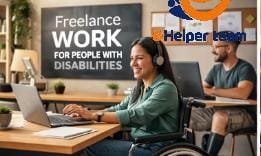
Employment for People with Disabilities remains one of the most discussed yet misunderstood topics in the modern workforce. Why do so many talented individuals still struggle to find fair and flexible jobs despite having valuable skills? Is the problem a lack of opportunity, or is it the outdated employment systems that fail to adapt to diverse needs? As digital work continues to grow, remote platforms are increasingly challenging traditional barriers in powerful ways.
How can Employment for People with Disabilities evolve in a world where location no longer defines productivity? Remote work has introduced flexibility, autonomy, and accessibility; however, many job seekers still question whether these roles offer stability and genuine career growth. With platforms like JobHero focusing on remote disability jobs, a new employment model is emerging—one that values ability over limitation and performance over physical presence.
Could Employment for People with Disabilities finally reach a turning point through remote opportunities? This article explores how JobHero Remote Disability Jobs support inclusive hiring, what kinds of roles are available, and how people with disabilities can build long-term, meaningful careers from home in today’s digital economy.



Employment for People with Disabilities in the Remote Work Era
- The Shift From Traditional to Remote Employment
The employment landscape has changed dramatically over the past decade. Traditional office-based roles often present physical, logistical, and social barriers for people with disabilities. These barriers may include inaccessible buildings, rigid schedules, or a lack of reasonable accommodations. Remote work removes many of these obstacles by allowing individuals to work in environments tailored to their personal needs.
For many professionals, working remotely means greater control over their schedules, energy levels, and workspaces. This flexibility is especially valuable for individuals managing chronic conditions, mobility challenges, or sensory sensitivities. Remote employment focuses more on skills-based hiring, productivity, and results rather than physical attendance.
Why Remote Jobs Are Ideal for People with Disabilities
Remote work is not simply a convenience—it is a powerful tool for inclusion. Some of the key advantages include:
Flexible working hours that support medical needs
Reduced commuting stress and costs
Personalized work environments
Greater independence and confidence
Access to global job markets
These benefits contribute to improved job satisfaction and long-term career sustainability. Remote roles also promote equal opportunity employment, ensuring that talent is not overlooked due to physical or environmental limitations.
What Makes JobHero Different
JobHero Remote Disability Jobs focuses on creating inclusive employment pathways by connecting people with disabilities to legitimate, skill-based remote roles. Unlike generic job boards, JobHero emphasizes accessibility, fairness, and professional growth.
The platform prioritizes roles that allow individuals to work independently while receiving the support they need to succeed. This approach encourages inclusive workforce development and helps employers recognize the value of diverse perspectives.
Types of Remote Roles Available
JobHero Remote Disability Jobs offers a wide range of opportunities suited to different skill sets and experience levels. These roles often include:
Customer support and virtual assistance
Data entry and administrative work
Content writing and editing
Digital marketing and social media management
Technical support and IT-related roles
Each position focuses on remote collaboration and outcome-based performance, making them ideal for people seeking flexible and accessible careers.
Remote Work for People with Disabilities: Key Benefits and Challenges
Major Benefits of Remote Employment
Remote work empowers individuals by removing many traditional limitations. Some of the most significant benefits include:
Work-life balance optimization
Adaptive work environments
Increased employment accessibility
Confidence-building independence
These advantages help individuals focus on productivity rather than physical challenges, leading to better performance and career satisfaction.
Common Challenges and How to Overcome Them
Despite its benefits, remote work also comes with challenges. These may include isolation, communication gaps, or difficulty accessing the right tools. However, these issues can be managed through:
Clear communication systems
Assistive technologies
Time management strategies
Regular virtual collaboration
Developing remote workplace readiness is essential for long-term success.
Job Opportunities for People with Disabilities Through Digital Platforms
High-Demand Remote Job Categories
The digital economy continues to expand, creating new job categories that are well-suited for remote workers. Popular sectors include:
Online customer service
Content creation and blogging
E-commerce support
Online education and tutoring
These roles rely on cognitive and creative skills rather than physical presence, making them accessible to a wide range of abilities.
Skill-Based Hiring and Equal Access
Modern employers are increasingly adopting merit-based recruitment, focusing on skills, experience, and results. This shift benefits people with disabilities by reducing bias and emphasizing competence. JobHero Remote Disability Jobs aligns with this model, helping candidates showcase their strengths effectively.
Building Confidence and Career Growth in Remote Disability Jobs
- Professional Development in Remote Roles
Career growth does not stop with employment. Remote workers can advance their careers by developing new skills, taking online courses, and building professional networks. Continuous learning plays a critical role in long-term success.
- The Importance of Self-Advocacy
Remote employees with disabilities benefit from understanding their rights and advocating for their needs. Clear communication with employers helps create supportive work environments and strengthens professional relationships.
Why a Remote-Focused Resume Matters
A traditional resume often fails to highlight the skills that matter most in remote roles. For individuals seeking remote disability jobs, the resume must clearly demonstrate independence, reliability, and digital competence. Employers hiring remotely are less concerned with physical presence and more focused on communication, consistency, and results.
A strong resume helps candidates present themselves as capable professionals who can thrive in virtual environments. This is especially important in competitive remote job markets where employers receive applications from around the world.
Essential Resume Elements for Remote Roles
When building a resume for remote disability jobs, focus on the following elements:
Clear summary highlighting remote work readiness
Emphasis on digital and communication skills
Proven ability to meet deadlines independently
Experience with online tools and platforms
Results-driven achievements
Highlighting remote collaboration skills and virtual productivity makes a resume stand out to inclusive employers.
Should You Mention a Disability on Your Resume?
This is a personal decision. Some candidates choose to disclose their disability to emphasize adaptability and resilience, while others prefer to focus solely on skills and experience. There is no right or wrong approach. What matters most is confidence, clarity, and professionalism.
Essential Skills for Succeeding in Remote Disability Jobs
Technical and Digital Skills
Remote roles require comfort with technology. While advanced technical expertise is not always necessary, basic digital skills are essential. These may include:
Email and messaging platforms
Video conferencing tools
Task management software
Cloud-based document systems
Developing digital literacy for remote work increases employability and long-term career potential.
Soft Skills That Employers Value Most
In remote environments, soft skills are just as important as technical abilities. Employers highly value:
Self-discipline and time management
Clear written communication
Problem-solving ability
Adaptability and learning mindset
These skills help remote workers remain productive without constant supervision and build trust with employers.
ro Supports Inclusive Remote Employment
Creating Equal Access to Opportunities
JobHero Remote Disability Jobs is designed to support individuals who may be overlooked in traditional hiring systems. By focusing on remote roles, the platform removes physical and geographic barriers and promotes inclusive hiring practices.
The emphasis is on what candidates can do—not what they cannot. This mindset encourages confidence and long-term engagement in the workforce.
Empowering Long-Term Career Stability
Unlike short-term gig platforms, JobHero supports sustainable employment. Remote roles offered through inclusive platforms often provide:
Stable income opportunities
Skill development pathways
Professional growth potential
This approach helps individuals build meaningful careers rather than temporary solutions.
Common Mistakes to Avoid When Applying for Remote Disability Jobs
- Lack of Customization
Sending generic applications reduces the chances of success. Each role requires tailored resumes and applications that match job requirements.
- Ignoring Communication Expectations
Remote work depends heavily on communication. Failing to demonstrate responsiveness or clarity can harm job prospects. Strong communication reflects remote professionalism and reliability.
- Underestimating Your Value
Many candidates undervalue their skills due to past employment challenges. Confidence and self-belief are essential in remote job searches.
Comparing Traditional Jobs vs Remote Disability Jobs
| Feature | Traditional Employment | Remote Disability Jobs |
|---|---|---|
| Physical Accessibility | Often Limited | Highly Flexible |
| Work Environment | Fixed Office | Personalized Home Setup |
| Schedule Flexibility | Low | High |
| Global Opportunities | Limited | Extensive |
| Focus on Results | Moderate | Strong |
This comparison highlights why remote work continues to reshape Employment for People with Disabilities worldwide.
Future Trends in Employment for People with Disabilities
- Growth of Inclusive Digital Workplaces
The future of work is increasingly digital. Companies are recognizing the value of diversity and inclusion, leading to more remote-friendly policies. This shift supports accessible employment models and expands opportunities globally.
- Technology as an Enabler
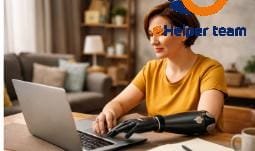
Assistive technologies, automation tools, and AI-driven platforms continue to improve accessibility. These innovations allow individuals with disabilities to compete on equal footing and perform at high levels.
Frequently Asked Questions (FAQ)
Q1: Are remote disability jobs reliable long-term careers?
Yes, many remote roles offer stability, growth, and professional development when supported by inclusive platforms.
Q2: What skills are most important for remote work?
Communication, time management, and digital skills are essential for success in remote environments.
Q3: Can beginners find remote disability jobs?
Yes, many entry-level roles are available, especially in customer support, administration, and content-related fields.
Q4: Do remote jobs reduce workplace discrimination?
Remote work often reduces bias by focusing on performance and results rather than physical characteristics.
Q5: Is training required before applying?
While not always required, improving digital and professional skills increases competitiveness.
Conclusion: Building an Inclusive Future Through Remote Work
Remote work is redefining what employment looks like in the modern world. For individuals with disabilities, platforms like JobHero Remote Disability Jobs represent more than job listings—they represent opportunity, independence, and dignity. By focusing on skills, flexibility, and inclusion, remote employment creates pathways to sustainable careers and personal growth.
As more organizations adopt inclusive hiring models, the future of Employment for People with Disabilities becomes brighter, more accessible, and more empowering than ever before.