Affiliate marketing what ?..why ? and types
In today’s digital age, Affiliate marketing has become one of the most popular and profitable ways for individuals and businesses to earn money online. Whether you’re a blogger, a digital entrepreneur, or a large e-commerce platform, this marketing model offers opportunities for everyone to share products, promote services, and earn commissions — all without creating your own products.
At its core, Affiliate marketing works on a simple principle: you promote someone else’s product, and you earn a commission when a sale or specific action occurs through your referral link. According to recent reports, the affiliate industry is expected to surpass $17 billion globally, proving that this model isn’t just a trend — it’s the backbone of the modern online economy.
If you want to dive deeper into the fundamentals of affiliate systems, you can read a detailed introduction on affiliate program basics and how to start. It’s a great resource that covers the starting steps for beginners and intermediate marketers alike.
Now, let’s break down what exactly Affiliate marketing is, why it’s so effective, and the main types you should know.



What Is Affiliate Marketing and How Does It Work?
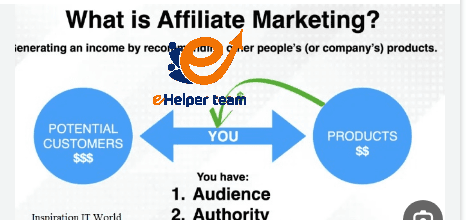
Affiliate marketing is a performance-based marketing strategy where a company rewards external partners — called affiliates — for driving traffic or sales through their marketing efforts. The model revolves around three main players:
The Merchant (Advertiser): The creator or owner of the product or service.
The Affiliate (Publisher): The individual or company promoting the product.
The Consumer (Customer): The person who buys the product or takes an action through the affiliate’s referral link.
When a customer clicks an affiliate link and completes a purchase, the affiliate earns a predetermined commission. The tracking process is automated using cookies or specialized tracking software, ensuring transparency and accuracy.
Here’s an example of how this works in real life:
You join an affiliate program from an online store.
You get a unique tracking link.
You write a blog post, shoot a YouTube video, or share the link on social media.
Every time someone clicks that link and buys, you get paid.
This simplicity makes Affiliate marketing attractive for content creators, influencers, and small businesses seeking to monetize their platforms without major investments.
Advantages of the Affiliate Model
Low startup cost: No need for inventory or customer service.
Scalability: You can promote multiple products and scale your income.
Passive income: Once you create and rank your content, commissions can flow in automatically.
Global reach: The internet allows affiliates to target audiences worldwide.
The beauty of Affiliate marketing lies in its win-win structure — merchants gain exposure and sales, affiliates earn commissions, and consumers get valuable recommendations.
Why Affiliate Marketing Is a Game-Changer for Digital Entrepreneurs
Affiliate marketing has redefined the digital economy by creating a symbiotic relationship between content creators and businesses. For entrepreneurs and small creators, it’s an entry point into online business without the burden of product creation or customer support.
1. Minimal Investment, Maximum Potential
Unlike traditional business models, affiliate marketing doesn’t require large capital. Anyone with an internet connection and valuable content can start earning. Platforms like ClickBank, ShareASale, and CJ Affiliate have made it easier than ever to join and start promoting relevant products.
A detailed comparison between top affiliate networks such as ClickBank and eBay can be found here: compare ClickBank vs eBay affiliate marketing networks. It’s a useful guide for choosing which platform aligns best with your niche and audience.
2. Performance-Driven and Transparent
One of the major reasons Affiliate marketing stands out is its performance-based nature. You only earn when your referrals convert — making it fair for both advertisers and affiliates. This transparency drives trust and long-term partnerships.
3. Ideal for Passive and Recurring Income
Many affiliate programs offer recurring commissions, meaning you continue to earn every month as long as your referred customer remains subscribed. For example, promoting hosting services, software tools, or online learning platforms often yields recurring payouts.
4. Builds Authority and Brand Loyalty
When affiliates promote quality products that solve real problems, they build authority and audience trust. Over time, this can transform into a sustainable brand, where followers rely on their recommendations.
5. Supports Diverse Content Strategies
Affiliate marketing can be integrated into blogs, YouTube videos, email campaigns, podcasts, and even social media posts. This flexibility allows marketers to experiment with different content formats and find what resonates most with their audience.
In essence, Affiliate marketing empowers entrepreneurs to grow without heavy financial risks while enjoying exponential scalability and brand recognition.

Main Types of Affiliate Marketing You Should Know
Affiliate marketing can be categorized into several types, depending on the relationship between the affiliate and the consumer. Understanding these types helps you choose the strategy that aligns with your comfort level, audience, and marketing goals.
1. Unattached Affiliate Marketing
In this model, the affiliate has no direct connection with the product or audience. For example, running paid ads or PPC campaigns targeting keywords related to a product without any personal endorsement. It’s ideal for marketers who rely on SEO, paid traffic, or large-scale advertising.
2. Related Affiliate Marketing
Here, the affiliate promotes products that are related to their niche but not necessarily ones they personally use. For instance, a tech blogger recommending software tools or gadgets. This approach builds relevance while maintaining objectivity.
3. Involved Affiliate Marketing
This is the most trust-driven form of affiliate marketing. Affiliates personally use and recommend the products they promote. Because they share real experiences and honest reviews, this method yields higher conversions and stronger audience loyalty.
For example, affiliates who promote platforms like GainRock share their personal success stories, which builds credibility. Learn more about this approach in this insightful article about affiliate marketing with the GainRock platform.
4. Multi-Level Affiliate Marketing
Some programs adopt a tiered structure, allowing affiliates to earn commissions not only from direct sales but also from the referrals of sub-affiliates. It’s similar to network marketing but operates transparently within legitimate frameworks.
5. Niche-Specific Affiliate Programs
Modern affiliate systems are becoming increasingly specialized. There are programs dedicated solely to fitness, finance, software, travel, or fashion. Choosing a niche you’re passionate about helps create authentic content and long-term sustainability.
Each type of Affiliate marketing offers unique benefits and challenges, and successful marketers often combine multiple approaches for maximum impact.
Emerging Trends in Affiliate Marketing You Need to Watch
The landscape of Affiliate marketing is evolving rapidly due to technological innovation, changing consumer behavior, and the rise of AI-driven tools. Marketers who stay ahead of these trends will gain a major competitive edge.
1. AI and Automation
Artificial intelligence now powers affiliate dashboards, enabling automated tracking, predictive analytics, and performance optimization. AI tools help affiliates find high-converting products, craft persuasive content, and even automate email marketing sequences.
2. Influencer-Affiliate Hybrid Models
Influencers are increasingly merging content creation with affiliate partnerships. Instead of relying solely on sponsored deals, many influencers prefer affiliate links for long-term, scalable income. This hybrid model combines the credibility of influencer marketing with the profitability of affiliate sales.
3. Voice Search Optimization
As voice assistants like Alexa and Google Home become common, affiliates must optimize their content for voice queries. People are now searching conversationally — e.g., “what is the best affiliate program for beginners?” — so using natural phrasing boosts discoverability.
4. Data Privacy and Transparency
With stricter regulations like GDPR and CCPA, affiliates must prioritize ethical data usage and full transparency in disclosures. Trust is the new currency — affiliates who clearly communicate their partnerships and maintain honesty will retain loyal audiences.
5. Mobile-First Experience
A growing number of affiliate conversions occur on mobile devices. Marketers must ensure their landing pages are responsive, load fast, and deliver seamless checkout experiences.
For a detailed understanding of affiliate structure and transparency, check out Affiliate program introduction and setup. It breaks down essential practices for compliance and ethical promotion.

Best Practices for Success in Affiliate Marketing
Thriving in the Affiliate marketing world requires a blend of creativity, persistence, and strategy. Below are best practices followed by top-performing affiliates worldwide.
1. Choose the Right Niche
Selecting a niche you genuinely care about ensures consistency and authority. Passion drives authenticity, and authenticity drives sales.
2. Provide Real Value
Before promoting a product, test it or research user reviews. Audiences can sense inauthenticity immediately. Affiliates who offer helpful tutorials, honest comparisons, and personal insights convert at higher rates.
3. Build a Strong Content Strategy
High-quality content is your biggest asset. From SEO-rich blog posts to educational videos, valuable content keeps your audience engaged and returning for more.
4. Track and Analyze Performance
Use affiliate dashboards and tools like Google Analytics to measure click-through rates, conversion rates, and revenue per click. Data-driven adjustments are key to sustainable success.
5. Diversify Income Streams
Don’t rely on a single affiliate program. Test multiple platforms and diversify your offers. Combining physical and digital products helps balance risk and reward.
6. Stay Consistent
Affiliate marketing is a long-term strategy, not a get-rich-quick scheme. Consistency in publishing, testing, and learning ensures steady growth and authority within your niche.
Common Mistakes Beginners Should Avoid
Even though Affiliate marketing appears simple, many beginners fall into traps that can slow their progress or damage credibility.
1. Promoting Too Many Products
It’s tempting to join several programs at once, but this often spreads your efforts too thin. Focus on 3–5 high-quality products instead of dozens of random offers.
2. Ignoring SEO
Without SEO, even the best affiliate content won’t be found. Invest time in keyword research, on-page optimization, and backlink building. Over time, this creates compounding traffic growth.
3. Not Disclosing Affiliate Relationships
Failing to disclose your affiliate links violates FTC guidelines and erodes trust. Always include a short disclaimer like “This post contains affiliate links, meaning I may earn a small commission at no extra cost to you.”
4. Neglecting Audience Engagement
Affiliate marketing isn’t about links alone — it’s about relationships. Respond to comments, create newsletters, and offer personalized recommendations.
5. Giving Up Too Early
Many affiliates quit before they see results. It can take 3–6 months to build traffic and consistent conversions. Persistence pays off.
Remember, the top 5% of affiliates earn 80% of the revenue — not because they’re lucky, but because they keep optimizing, learning, and adapting.
Frequently Asked Questions (FAQs)
1. What is Affiliate Marketing in simple terms?
Affiliate marketing is a business model where you promote someone else’s products and earn a commission for every sale made through your referral link.
2. How do beginners start Affiliate Marketing?
Start by selecting a niche, joining a reputable affiliate program, and creating valuable content to promote products. You can learn step-by-step setup methods here.
3. Do I need a website to start?
No, but having a website helps. You can also start through YouTube, social media, or email marketing campaigns.
4. How much can I earn from Affiliate Marketing?
Earnings vary — from a few dollars to thousands monthly, depending on traffic, content quality, and product demand.
5. What are the best affiliate networks for beginners?
Platforms like ClickBank, CJ Affiliate, Amazon Associates, and ShareASale are ideal for newcomers.
6. Is Affiliate Marketing passive income?
Yes, once your content ranks and traffic grows, it generates sales automatically, creating a steady stream of passive income.
7. What are the risks in Affiliate Marketing?
The main risks are poor-quality products, unreliable merchants, or policy violations. Always partner with trusted programs.
8. How long does it take to see results?
It usually takes 3–6 months to gain traction, depending on your niche and effort.
9. Is it necessary to disclose affiliate links?
Yes. Transparency builds trust and ensures compliance with advertising regulations.
10. Can Affiliate Marketing replace a full-time job?
Absolutely. Many successful affiliates earn full-time income by focusing on content creation, SEO, and consistent promotion strategies.
Conclusion
Affiliate marketing continues to dominate as one of the most cost-effective, performance-driven, and transparent marketing systems in the digital world. It empowers both individuals and corporations to collaborate for mutual growth.
The key to success lies in trust, value, and strategy. Focus on providing genuine recommendations, optimizing for search intent, and nurturing long-term relationships with your audience.
By mastering these principles, anyone can turn Affiliate marketing into a sustainable source of income — and perhaps even a full-fledged career.