Pro Guide: How to Write Instagram Captions That Boost Engagement and Shares in 2025
What makes some Instagram captions ignite conversations while others fade into the scroll? Why do certain phrases spark likes, comments, and shares from thousands of users while others go unnoticed? And most importantly, how can you master the skill of writing captions that not only catch the eye but also drive real engagement?
Captions are no longer an afterthought in the world of social media marketing. For adults over 35 looking to amplify their voice on Instagram, especially in the saturated US and UK markets, understanding how to write instagram captions is essential to digital visibility.
A powerful caption blends strategy, emotion, and authenticity. It’s not just about stringing together trendy phrases—it’s about connecting with your audience on a human level. And it starts with recognizing the subtle mechanics behind the captions that work. For a hands-on perspective, explore this helpful guide on becoming a UGC creator, which outlines how impactful captions can elevate brand interaction.
Let’s explore the framework of caption creation that gets results.



Why Instagram Captions Matter More Than Ever
Captions act as the narrative glue that holds your visual content together. While a picture may capture attention, it’s the caption that often motivates users to engage further—whether by commenting, sharing, or saving.
The Psychology of Engagement
Studies show users are more likely to engage with posts that include thoughtful or emotional copy. Captions trigger curiosity, empathy, and even humor—three drivers of digital interaction.
The Role of Captions in Storytelling
A good caption does more than describe the image. It builds a story around it. This storytelling component gives followers something deeper to connect with, creating loyalty over time.
The Anatomy of a High-Impact Caption
Not all captions are created equal. Crafting an effective one involves both structure and substance.
Hooking the Reader in the First Line
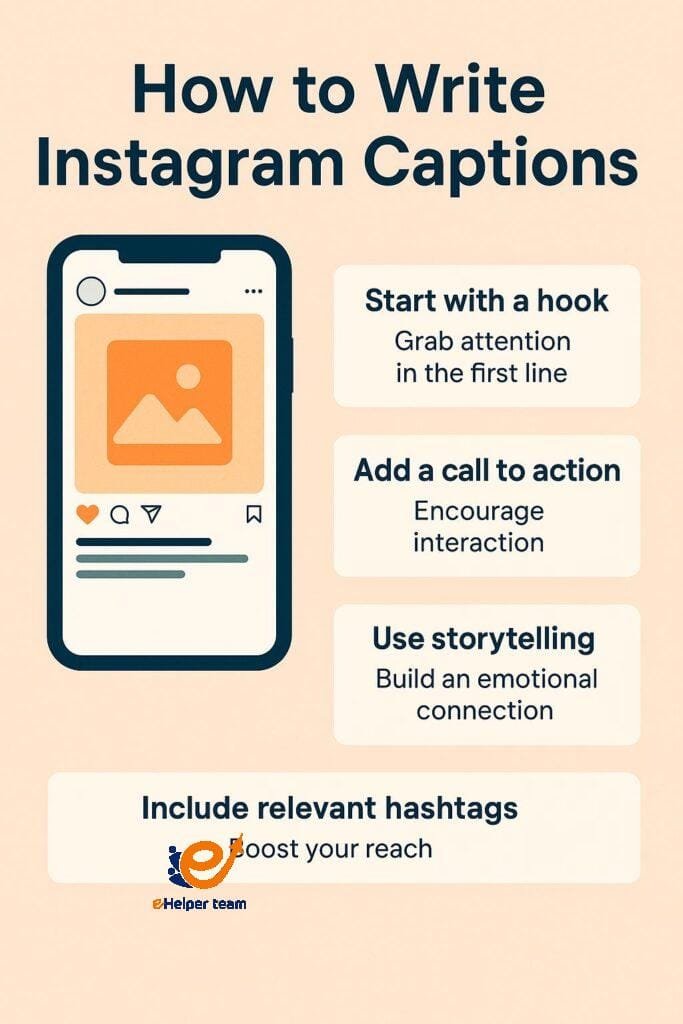
The first line of your caption should capture attention immediately. Use a bold statement, question, or emotional trigger to “stop the scroll.”
Using Clear Formatting and Spacing
Break up your text with line spacing to make longer captions more digestible. Consider using emojis or bullet points where appropriate.
Call to Action Examples That Drive Results
Calls to action (CTAs) are essential if your goal is to spark engagement. Here are examples that align with different objectives:
For engagement: “Double tap if you agree!” or “Tag someone who needs this.”
For feedback: “What do you think of this outfit?” or “Should we do more of this content?”
For conversion: “Check the link in bio” or “Shop the full look now.”
Tailor CTAs to Your Brand Voice
If your tone is more educational, CTAs like “Did you know this?” or “Learn more about it below” will feel more authentic.
Asking Questions in Captions: A Strategy That Works
Engagement thrives on interaction, and nothing encourages interaction more than a question.
Why Questions Increase Comment Rates
Questions give your audience a reason to participate. Even simple prompts like “What’s your go-to morning routine?” can lead to a flood of comments.
Sample Question Formats That Encourage Interaction
“What would you do in this situation?”
“Have you ever experienced this?”
“Which option would you choose and why?”
This aligns with proven practices used in viral content. Learn how this strategy is maximized in this TikTok viral content guide.
Storytelling in Captions: Connect Emotionally with Your Audience
People remember stories far more than they remember stats or slogans.
Elements of Compelling Stories
Start with a relatable moment
Build tension or interest
End with a resolution or insight
Balancing Emotion with Brand Goals
While storytelling should feel personal, it should also guide your audience toward your brand message or value.
Using Hashtags Correctly: Boost Visibility Without Overdoing It
Hashtag Research Tools
Use tools like All Hashtag, Hashtagify, or even Instagram’s own search function to identify what your audience is following.
The Ideal Hashtag Count and Placement
Stick to 5–10 highly relevant hashtags. Place them either at the end of the caption or in the first comment.
(Linked term removed per instruction: connected to a trusted source)
Repurposing Your Captions for Other Platforms
Smart marketers know not to waste good content. Captions written for Instagram can be repurposed for Facebook, LinkedIn, Pinterest, and more.
For more on this efficiency strategy, check this detailed content repurposing guide.
Mistakes to Avoid When Writing Instagram Captions
Sounding Like an Advertisement
Captions that feel overly promotional are the fastest way to lose attention. Instead of pushing a product, share its story or the problem it solves.
Using Irrelevant Hashtags
Throwing in high-traffic hashtags that aren’t related to your content not only confuses the algorithm—it also brings in an audience unlikely to engage.
Overloading with Text
While informative captions are great, they need to be readable. Avoid giant blocks of unformatted text. Use white space and line breaks generously.
Internal Best Practices and Testing What Works
Instagram offers in-platform tools that help you evaluate which captions resonate.
A/B Testing Strategies
Test different types of CTAs (e.g., “Save this” vs. “What do you think?”), emotional tones (inspiring vs. humorous), or formats (short vs. story-style). Post similar content with slight variations and track which receives better engagement.
Leverage Instagram Insights
Check metrics like saves, comments, profile visits, and shares to gauge caption performance. If a caption receives low engagement, revise and re-test it on a similar post.
Captions That Went Viral: Key Takeaways
Studying viral posts helps identify patterns. Captions that go viral often:
Begin with an emotional hook or hot take
Pose a relatable question or challenge
Tell a concise story with universal appeal
End with a CTA or shareable quote
Successful examples often mirror content discussed in this guide to going viral on TikTok and Reels.
Essential Tools and Resources for Instagram Captioning
To streamline your process and stay consistent:
Later and Planoly – Schedule posts and analyze engagement by caption style
Captiona – AI-powered caption suggestions based on trending topics
Grammarly – Ensure your writing is clear and typo-free
Google Trends – Identify trending phrases and keywords in real time
These tools offer data-driven support to guide your tone and timing, ensuring your captions always align with what your audience wants to see.
Caption Testing Cycles for Continuous Growth
Phase 1: Baseline — Use your current captioning strategy for 2–4 weeks.
Phase 2: Variation — Test alternate tones, formats, or storytelling in captions.
Phase 3: Analysis — Compare performance to identify caption traits that align with engagement goals.
Apply these insights to future posts and adjust your workflow accordingly. Over time, this feedback loop creates a finely tuned content engine tailored to your audience’s behaviors and preferences.
FAQ – Common Questions About Instagram Captions
Q1: How long should my Instagram captions be?
A: There’s no perfect length, but studies suggest captions between 138–150 characters get the most engagement. However, storytelling or educational posts can stretch longer if formatted well.
Q2: Should every post include a call to action?
A: Yes, even soft CTAs like “What do you think?” can encourage interaction. The more intentional you are, the higher your chances of getting meaningful engagement.
Q3: Is it okay to use the same caption format repeatedly?
A: Repetition of structure is fine, but avoid sounding like a script. Vary the content, tone, and entry points to keep your audience interested.
Q4: Do captions affect Instagram’s algorithm?
A: Indirectly, yes. Engagement metrics like saves, comments, and shares help signal content value to the algorithm—so strong captions that encourage these actions can improve visibility.
Q5: How do I make my brand voice consistent across captions?
A: Create a style guide with preferred phrases, tone, and CTA formats. This ensures consistency even when multiple people manage your account.
Final Thoughts: Elevate Your Caption Strategy Today
Now that you understand how to write instagram captions that inspire, educate, and entertain, the next step is implementation. Write with purpose, test what works, and don’t be afraid to inject personality into every post.
Great captions do more than describe—they connect. And connection is what ultimately drives engagement and shares.
Want more practical tips on optimizing your content beyond Instagram? Explore this Content Repurposing Guide for strategies you can start using today.


