how to become a Social Media Manager: Strategies for Marketing Success and Freelance Work
Have you ever wondered what it truly means to understand how to become a Social Media Manager in a digital world that keeps expanding every single day?
Many people see social media from the outside, thinking it is only about posting photos or writing short captions, but is that really all the role requires, or is there a deeper strategic layer that turns simple content into a powerful marketing engine
Businesses today depend on professionals who can plan, analyse and execute campaigns with precision, so the question becomes what skills do you actually need to stand out and start building a real career in this field.
You might also ask yourself whether you need years of experience or if you can begin from scratch and grow step by step
The truth is that becoming a professional social media manager blends creativity, numbers, psychology, and the ability to understand audience behaviour in ways that help brands reach the right people at the right time
This guide provides a complete roadmap to the key steps that will help you grow with confidence
From learning foundational principles to exploring real tools and building portfolios, you will discover everything you need to begin your journey
To make the learning easier, you can explore this social media specialist guide, which aligns perfectly with the starting foundations for any new social media manager.



Understanding the Role of a Social Media Manager
1. Core Responsibilities in Marketing Success
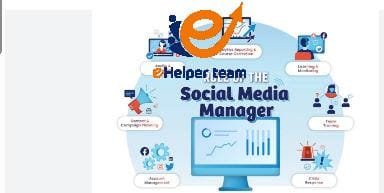
The role of a social media manager extends far beyond daily posting and replying to comments, as it requires an organised approach that blends creativity with strategic planning
A professional must understand audience behaviour, align content with business goals and track performance to evaluate what works and what needs improvement
Brands rely on managers to build awareness, maintain engagement and convert followers into real customers through well-planned campaigns and consistent messaging
2. Required Skills for Freelance Work
For those who want to become freelancers, the skill set expands even further as you will not only manage content but also communicate with clients, create proposals and negotiate project terms
Freelance work requires self-discipline, time management, and the ability to turn data into clear reports that clients can understand
These foundational skills help freelancers build long-term relationships and sustainable income over time
Why the Importance of Social Media Management for Businesses Is Growing
1. Digital Presence in Modern Marketing
Businesses today understand that having an online presence is no longer optional because customers now spend most of their time on social platforms
A strong digital identity helps companies create trust, maintain visibility and reach new audiences faster than traditional advertising
This is why social media managers play a key role in shaping how brands communicate and grow
How Businesses Use Social Media to Drive Revenue
Companies use targeted campaigns to guide customers through their buying journey from discovery to final purchase, which increases their ability to generate consistent revenue
Products, services, and offers are promoted using platforms that provide instant feedback and precise analytics, allowing brands to optimise performance and maximise results.
How to Become a Social Media Manager — Step-by-Step Guide
- Building Foundational Knowledge
Every successful social media manager begins with a strong understanding of basic marketing principles
This includes learning how brands communicate online, how audiences behave and how content influences customer decisions
When you understand these foundations, you become capable of building campaigns that achieve real, measurable impact
To strengthen your learning journey, you can explore different digital marketing channels for revenue, which help you understand how brands combine multiple online tools to reach wider audiences and increase profits
Here are some knowledge areas every beginner should build
Understanding platform algorithms
Learning how content affects engagement
Exploring audience psychology
Studying successful brand campaigns
Each of these points prepares you for the real world of managing accounts with purpose and strategy
- Gaining Practical Experience
Experience is the stage where all your learning becomes reality
Instead of waiting for a perfect opportunity, beginners can create their own practice environment by managing pages for small projects or volunteering
You can improve your practical skills by
Managing local business pages
Creating trial campaigns
Testing different types of content
Analysing results to understand patterns
These small steps gradually build your confidence and help you identify your strengths, whether they lie in visual creation, content writing or strategy development
- Crafting an Impactful Online Portfolio
Your portfolio is your strongest tool for proving your capabilities to clients or employers
It presents your best work and shows real examples of the value you can deliver
A professional portfolio usually contains
Before and after analytics
Screenshots of successful posts
Short case studies
A description of the strategy and results
The goal is to demonstrate your skills clearly so that anyone reviewing your work can understand the impact of your decisions
A well-crafted portfolio opens doors to better projects, higher income and long-term collaborations
Helpful Tools for a Successful Virtual Assistant in Social Media
- Scheduling and Automation Tools
Analytics tools help you understand how to become a Social Media Manager well your content is performing and why certain posts resonate more than others.
This information helps you adjust your strategy, improve content, and target the right audience with more precision.
If you want to explore specialised platforms, you can check reliable social media management tools, which help improve workflow and reduce time spent on manual tasks
Some useful features in automation tools include
Post scheduling
Caption storage
Content calendar planning
Multi-platform publishing
These tools give you the freedom to focus on creativity rather than repetitive tasks
- Analytics and Reporting Tools
Analytics tools help you understand how well your content is performing and why certain posts resonate more than others.
This information helps you adjust your strategy, improve content, and target the right audience with more precision.
Key metrics you should monitor
Reach
Impressions
Saves and shares
Click-through rate
Follower growth.
Building an Effective Marketing Strategy on Facebook & Instagram
- Crafting Content That Converts
Content that converts is content that encourages people to take action, whether it is engaging, sharing, or visiting a website
This type of content focuses on creating value and connecting with the audience’s needs
Successful content on Facebook and Instagram often includes
High-quality visuals
Simple engaging captions
Real stories and behind-the-scenes moments
Short informative video clips
To explore deeper methods, you can learn more about Instagram marketing techniques, which help refine your approach across different industries and audiences
- Using Data to Improve Performance
How to Become a Social Media Manager: Data plays an essential role in developing a long-term, successful marketing strategy
By studying analytics, you can understand exactly what works for your audience and what needs improvement
Using data effectively involves
Identifying top-performing posts
Understanding peak engagement times
Analysing audience demographics
Tracking how each campaign influences behaviour
This approach helps you continuously upgrade your strategy so every new campaign delivers better results than the previous one.
How to Become a Social Media Manager — Step-by-Step Guide
- Building Foundational Knowledge
This includes learning how brands communicate online, how audiences behave and how content influences customer decisions
Understanding these foundations allows you to build campaigns that create real, measurable impact
To develop a clearer picture of how online platforms work together, you can explore different digital marketing channels for revenue, which show how businesses combine various tools to reach wider audiences and increase profits
Key areas every beginner should learn
Platform algorithms and how they influence reach
Content styles and how they affect engagement
Audience behaviour and online psychology
How leading brands create powerful campaigns
These elements prepare you to plan strategies that deliver consistent results
Gaining Practical Experience
Practical experience is essential because it transforms your theoretical knowledge into real skill
You can gain hands-on practice by managing the social media pages of local businesses or by creating volunteer projects
Here are simple ways to build real experience
Creating visual content for small brands
Developing posting calendars
Testing multiple content types
Reviewing analytics to identify performance patterns.
- Crafting an Impactful Online Portfolio
Your portfolio is the tool that proves your capabilities to clients or employers
It should include your strongest samples and demonstrate measurable improvements created through your work
A strong portfolio includes
Screenshots of successful posts
Mini case studies
Before and after analytics
Short explanations of strategy and purpose
A clear professional portfolio dramatically increases your chances of getting hired or securing freelance clients
Helpful Tools for a Successful Virtual Assistant in Social Media
- Scheduling and Automation Tools
Automation helps you stay consistent across all accounts you manage
Scheduling tools allow you to create content in advance, prepare monthly calendars and publish posts even while busy
To improve your workflow, you can explore powerful social media management tools designed to automate tasks and save time
Useful features include
Scheduled posting.
Caption organisation.
Monthly content planning.
Cross-platform publishing.
These features support productivity and long-term stability.
- Analytics and Reporting Tools
Analytics tools are essential because they allow you to measure the performance of every post
By understanding which content attracts the most engagement, you can refine your strategy for better results
Metrics worth tracking
Reach
Profile interactions
Saves and shares
Growth patterns
Reporting tools are especially valuable for freelancers because they help present performance clearly to clients and strengthen trust over time.
Building an Effective Marketing Strategy on Facebook & Instagram
- Crafting Content That Converts
Content that converts is more than attractive visuals
It is content that answers audience needs, builds curiosity and encourages action, whether it’s sharing, saving, or commenting
Popular content styles include
Behind-the-scenes clips
Product demonstrations
Short educational videos
High-quality photos with simple captions
For deeper insights into platform behaviour, you can learn from proven Instagram marketing techniques, which help refine your strategy across niches
- Using Data to Improve Performance
Data-driven strategies are the future of social media marketing
Analytics help you understand what your audience wants and what makes them engage
Data helps you
Identify best best-performing posts
Understand when your audience is most active
Analyse demographic details
Improve your future campaigns
This continuous optimisation increases overall brand performance and strengthens long-term results.
Freelancing as a Social Media Manager
- Setting Your Rates Professionally
Setting your rates can feel challenging, especially for beginners who may not know how to value their time and skills
A smart approach is to analyse the time required for each task, consider your level of experience and examine the complexity of the services you offer
Rates often depend on factors such as content type, page size and the number of platforms being managed
Clients appreciate transparency, so explaining the value behind your pricing helps build trust and long-term working relationships
To make the process easier, many freelancers offer structured packages such as
Monthly content creation plans
Full management packages
Analytics only services
Platform-specific management
This method helps clients understand what they are paying for and allows you to increase your income gradually
- Finding High Value Clients
Finding clients who understand the value of social media and are willing to invest in long-term results is the secret to stable freelance success
Small and local businesses are often the best place to start because they need improved visibility to compete and grow
How to become a Social Media Manager , To understand exactly how small businesses can benefit from effective management, you can explore small business social strategies, which highlight practical ways freelancers can support local brands and earn consistent income
Clients often search for freelancers who
Communicate clearly and professionally
Deliver work on time
Provide regular performance updates
Understand brand identity
By offering these qualities you can stand out even in competitive markets
- Creating Long-Term Client Relationships
Long-term relationships are built on trust, communication and consistent results
Clients appreciate managers who provide regular updates, explain strategy changes and offer proactive suggestions based on analytics
Some ways to maintain strong client relationships include
Monthly reports summarising performance
Holding periodic review meetings
Suggesting new campaign ideas
Adjusting strategy based on seasonal trends
These habits show clients that you understand their business and care about their long term success
A Real Case Study — How One Freelancer Built a Successful SM Career
- The Challenges
At the beginning of her journey, the freelancer struggled with low confidence and limited experience
She found it difficult to compete with more established managers and often felt unsure about how to approach potential clients
Despite these obstacles, she continued learning, practising, and creating sample projects to improve her skills
- The Turning Point
The turning point came when she developed a clear portfolio and began applying structured strategies based on platform data
Instead of posting randomly,y she planned her content in a monthly calendar, used analytics to refine her visuals and tested new formats to see what resonated with the audience.
- The Final Outcome
Within months, she secured several recurring clients, which allowed her to build a stable income
Her confidence grew alongside her results, and she later expanded her services to include content strategy, video editing and influencer partnerships
Today, she manages multiple brands, handles paid ads and teaches new freelancers how to start their careers.
Comparison Table — In-House vs Freelance Social Media Manager
| Criteria | In House Manager | Freelance Manager |
|---|---|---|
| Work Flexibility | Limited | High |
| Income Potential | Fixed monthly salary | Variable with higher earning potential |
| Skill Growth | Moderate | Fast due to diverse clients |
| Creative Freedom | Often restricted | Much more open |
| Workload Control | Not adjustable | Fully adjustable |
Best Practices for Long-Term Success in Social Media Management
- Avoiding Common Mistakes
Many beginners struggle because they focus on trends rather than strategy
Creating random content without analysing insights often leads to poor results
To avoid mistakes, you should always understand your target audience, create content with purpose, and monitor performance regularly.
Common mistakes include
Ignoring analytics
Posting without a plan
Inconsistent branding
Overlooking audience feedback
Avoiding these mistakes creates smoother growth and a stronger online presence.
FAQs
Q1: How long does it take to become a social media manager
How to become a Social Media Manager. The learning period varies from person to person, but most beginners can build enough skills in three to six months,s especially when combining online learning with practical experience
Consistency and practice play a significant role in shortening the learning curve
Q2: Do I need a degree to start working in social media management
A degree is not required because most employers and clients focus on skills performance and your portfolio
Practical examples of your work often matter far more than academic certificates
Q3: Can beginners start freelancing without experience
Yes, beginners can start freelancing by creating sample projects, volunteering for small businesses or offering trial packages
These steps help you build real experience while growing your reputation
Q4: Which platforms are best for beginners
Beginners usually start with Facebook and Instagram because they are widely used, have strong analytics, and are suitable for most types of content
Once you gain experience, you can expand to TikTok, LinkedIn or Pinterest
Q5: Is social media management a profitable career
It can be highly profitable, especially for freelancers who offer multiple services such as strategy planning, content creation and reporting
Income increases with experience, niche specialisation, and long-term client retention
Conclusion
Becoming how to become a Social Media Manager is a journey built on clear strategy, consistent practice, and a strong understanding of digital behaviour.
This career offers flexibility, creativity, and the opportunity to work with businesses of all sizes, both locally and internationally.
By developing your skills, building a strong portfolio, mastering analytics, and creating purposeful content, you can unlock a rewarding path filled with growth and new possibilities.


