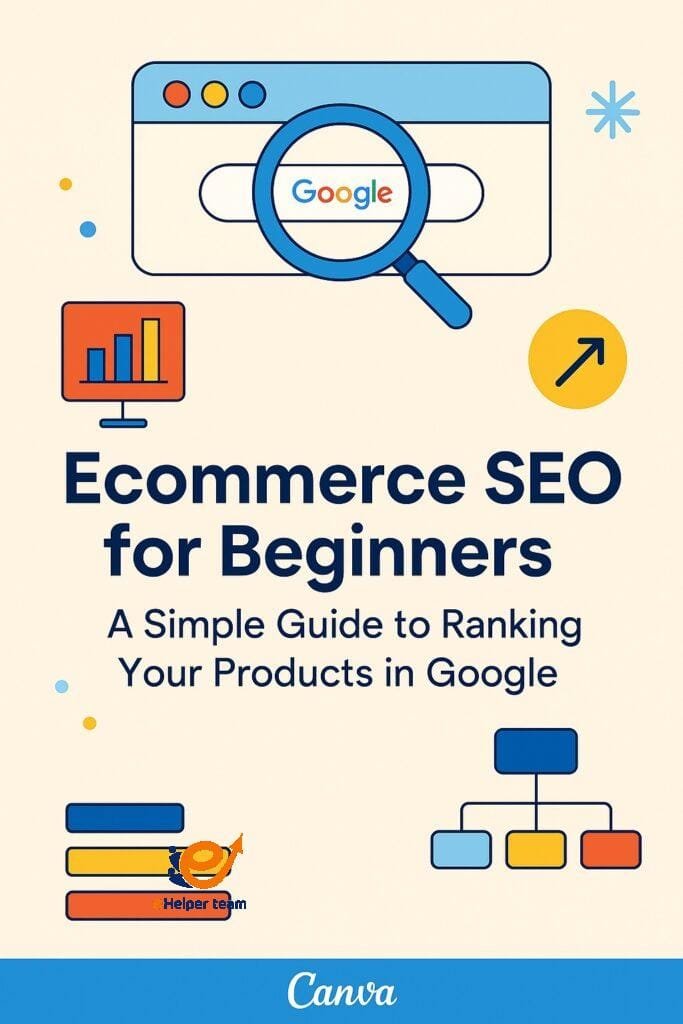
ecommerce seo for beginners: A Simple Guide to Ranking Your Products in Google
Are you struggling to get your products noticed on Google? ecommerce seo for beginners is the essential starting point you need. It stands at the intersection of search engine visibility and online selling success. Without it, even the best products can remain hidden from potential customers in competitive US and UK markets.
This guide will walk you through practical, easy-to-follow steps tailored specifically for experienced adults aged 35 and above. We’ll explore how to optimize product listings, leverage strategic keyword placement, and create a logical site structure that search engines love. By making small but impactful changes, you’ll begin to see real improvements in both visibility and sales.
To kick things off, check out this insightful resource that explains how to create product descriptions that truly convert: How to Write Product Descriptions That Actually Sell (linked here for a seamless jump-start to your optimization journey).
Why Investing in Ecommerce SEO for Beginners Pays Off
Mastering the fundamentals of ecommerce seo for beginners can transform your store’s performance in search results. By focusing on the right techniques, you’ll attract organic visits from highly motivated buyers, reduce dependency on paid ads, and build long-term trust and brand credibility. Search visibility is key in today’s crowded e-commerce landscape, and this guide shows you how to achieve it effectively without overwhelming technical jargon.
Conducting Keyword Research for Products
Why It Matters
Keyword research for products helps you understand how shoppers search online. When you align your product titles and pages with those queries, your chances of appearing in Google search grow significantly.
How to Do It
Brainstorm terms customers might use.
Use tools such as Google Keyword Planner, Ahrefs, or SEMrush to check search volumes and competition.
Focus on commercial or transactional intent—phrases like “buy running shoes online” convert best Shopify+2WooCommerce.
Review competitor listings to identify additional keyword opportunities.
Crafting Irresistible Product Titles and Descriptions
Best Practices
Naturally integrate the primary keyword into titles.
Highlight unique selling points like material, features, or benefits in bullet lists for clarity.
Ensure each description is distinct—avoid duplication across listings.
Example
Instead of vague labels, go for clarity. For example, use “Women’s Waterproof Hiking Boots – Lightweight & Durable” rather than just “Hiking Boots.”
Powering Up Your Category Pages with SEO
Category pages offer broader keywords and capture shopping intents that individual listings may not reach.
How to Optimize Them
Add a concise, keyword-rich introduction at the top.
Use precise headings: e.g., “Men’s Organic Cotton T-Shirts” instead of generic “T-Shirts.”
Keep URLs clean and descriptive.
Use canonical tags to prevent duplication and ensure clarity.
Internal Linking Strategies That Work
A structured internal linking approach enables Google to crawl your site efficiently while improving the visibility of priority pages.
Link from category pages to relevant product listings.
Include related products for cross-selling.
Use clear anchor text like “Explore these accessories” rather than vague phrases.
Maintain a clean architecture without excessive or broken links.
Pro Tip: Fix design-related issues that impact linking and conversions—discover common pitfalls in 5 Ecommerce Website Design Mistakes That Kill Sales.
Enhancing Performance Through Conversion Rate Optimization (CRO)
SEO boosts traffic, but CRO turns visitors into buyers.
Quick-Win Strategies
Streamline checkout flows.
Use persuasive reviews and testimonials.
Prioritize high-quality images and mobile usability.
Test calls-to-action like “Add to Cart” versus “Buy Now.”
For a full list of proven tweaks, consult the Ecommerce CRO Checklist provided by E Helper Team.
Scheduling Your Progress: A Simple Roadmap
To build momentum:
Start keyword research for top-selling products.
Optimize product titles and descriptions with intent-driven language.
Enhance category page visibility through clear intros and headings.
Build internal links thoughtfully across pages.
Implement CRO tweaks and track improvements in traffic and sales.
To better understand how search engines interpret content and improve discoverability, explore Google’s SEO Starter Guide—it offers foundational best practices for organizing and linking your site effectively SquarespaceSemrushTechRadarGoogle for Developers.
Integrating Email Marketing with SEO
SEO brings visitors to your store, but email marketing keeps them engaged long-term. Beginners often underestimate this connection.
Why Email Complements SEO
Reminds customers about abandoned carts.
Promotes blog posts and product guides for extra SEO signals.
Drives traffic spikes during promotions, which search engines notice.
How to Use It
Build email lists with discounts or free resources.
Segment emails based on product interest.
Track email-driven visits in Google Analytics.
Together, SEO and email marketing create a cycle of attraction, engagement, and conversion.
Artificial Intelligence in E-commerce SEO
AI is more than just a trend—it’s reshaping SEO. Beginners can leverage AI in several ways:
Automated Keyword Research: Tools analyze thousands of queries in seconds.
Content Optimization: AI helps rewrite product descriptions to fit SEO and conversion goals.
Predictive Analysis: AI forecasts product demand and seasonal trends, guiding content updates.
By using AI-powered insights, even beginners can compete with larger, more established brands.
A 6-Month Beginner’s SEO Roadmap
Starting SEO without a plan is overwhelming. Here’s a practical 6-month beginner’s roadmap tailored for e-commerce stores:
Month 1–2: Foundations
Conduct keyword research for products.
Optimize product titles and descriptions.
Improve site speed and mobile responsiveness.
Month 3–4: Growth
Enhance category page SEO.
Build internal linking across categories and products.
Add schema markup for products.
Month 5: Expansion
Launch a blog targeting informational keywords.
Start building backlinks through guest posts and partnerships.
Encourage customer reviews for fresh content.
Month 6: Refinement
Focus on CRO (optimize checkout, improve CTAs).
Explore local SEO strategies.
Begin experimenting with AI and voice search optimization.
By following this roadmap, beginners can steadily grow their rankings and sales within half a year.
Frequently Asked Questions
Q1: What exactly is ecommerce seo for beginners?
A: It is the approach of optimizing your product listings, category pages, site structure, and internal linking to rank higher in Google search results and attract targeted, organic traffic.
Q2: How do I begin keyword research for product listings?
A: Start by using tools like Google Keyword Planner or SEMrush, target transactional keywords, and refine them based on competitors and relevance.
Q3: What makes category page SEO different from product page SEO?
A: Category SEO focuses on broader search terms and organizing your site—product SEO targets users looking for very specific items.
Q4: How long does it take to see results from ecommerce SEO efforts?
A: Expect gradual improvement over 3 to 6 months; key factors include site quality, competition level, and consistency in optimization.
Q5: Do I need an external website to rank better?
A: Not necessarily. Strong internal structures, well-targeted content, and SEO-aligned titles and descriptions often suffice, especially when backed by CRO practices.
Conclusion
Mastering ecommerce seo for beginners is not about becoming an overnight expert, but about consistently applying simple, proven steps that compound over time. By focusing on keyword research for products, optimizing product titles and descriptions, strengthening category page SEO, and building a smart internal linking strategy, you lay the foundation for long-term visibility in Google search.
What truly sets successful stores apart is their willingness to adapt—whether that means embracing customer reviews, enhancing site speed, or preparing for the future of SEO through AI and voice search. Every small action you take today brings your products closer to the eyes of motivated buyers tomorrow.