Custom Plastic Enclosures: Durable and Tailored Protection for Modern Products
In today’s technology-driven world, every product—whether electronic, industrial, or consumer-grade—needs strong, reliable protection. That’s where custom plastic enclosures come in. They safeguard internal components, enhance functionality, and elevate product design, all while meeting the specific needs of each application.
From electronics to medical devices, custom plastic enclosures offer the perfect combination of durability, aesthetics, and performance. Let’s explore what they are, how they’re made, and why they’ve become an essential part of modern product manufacturing.
What Are Custom Plastic Enclosures?
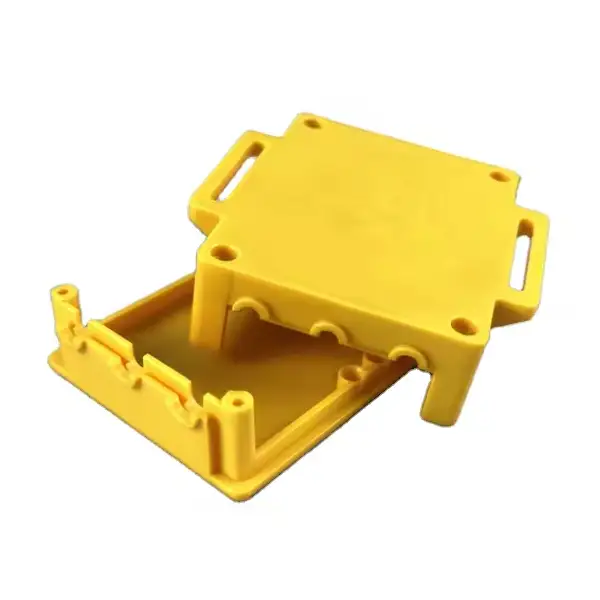
A custom plastic enclosure is a specially designed casing or housing that protects internal parts such as circuits, sensors, batteries, or mechanical assemblies. Unlike off-the-shelf housings, custom enclosures are built to match exact specifications—size, shape, mounting features, colour, and branding.
These enclosures can be produced using various methods, including injection molding, vacuum forming, CNC machining, and 3D printing, depending on the required precision, quantity, and cost target.


Custom plastic enclosures are widely used in industries such as:
- Electronics: housings for controllers, displays, and sensors
- Automotive: covers for modules and control panels
- Medical: instrument casings and diagnostic device shells
- Industrial: equipment panels and safety housings
- Consumer goods: protective shells for tools, gadgets, and appliances
Why Choose Custom Plastic Enclosures?
Choosing a custom-designed plastic enclosure gives businesses full control over both performance and aesthetics. Here are the key benefits:
1. Perfect Fit for Your Components
Custom enclosures are engineered to fit your internal components precisely. This ensures optimal performance, stability, and ease of assembly—without wasted space or unnecessary bulk.
2. Brand Identity and Aesthetics
Plastic allows for freedom in shape, texture, and colour. You can integrate your brand’s design language directly into the product housing, making your product stand out visually.
3. Durability and Protection
High-quality engineering plastics such as ABS, polycarbonate, or nylon provide excellent resistance against impact, heat, and environmental stress—keeping internal components safe in harsh conditions.
4. Lightweight and Cost-Effective
Compared to metal, plastic is lighter, easier to mould, and often more affordable for both low- and high-volume production.
5. Design Flexibility
Custom plastic molding supports advanced features like:
- Snap-fit assemblies
- Mounting bosses and internal supports
- Waterproof seals and gaskets
- Transparent or UV-resistant sections
These design elements make enclosures more functional and user-friendly.
6. Scalable Manufacturing
Once your custom mold is built, you can scale production easily—from small prototype runs to full-scale mass production.
Manufacturing Methods for Plastic Enclosures
The production process depends on project volume, design complexity, and performance requirements.
1. Injection Molding
Injection molding is the most common method for creating high-precision enclosures in medium to large quantities. Molten plastic is injected into a mould cavity to form the exact shape.
Benefits: Excellent surface finish, tight tolerances, repeatability, and high efficiency.
2. CNC Machining
CNC machining is ideal for low-volume or prototype enclosures. It uses digital cutting tools to carve enclosures from solid plastic blocks.
Benefits: High dimensional accuracy and quick turnaround.
3. Vacuum Forming
Vacuum forming involves heating a plastic sheet until it’s pliable, then draping it over a mould and applying suction.
Benefits: Cost-effective for large, lightweight covers or panels.
4. 3D Printing
For one-off prototypes or small runs, 3D printing offers unmatched flexibility.
Benefits: Rapid production, no tooling required, and easy design iteration.
Material Selection for Custom Enclosures
Choosing the right plastic ensures your enclosure performs under its intended conditions. Common materials include:
- ABS (Acrylonitrile Butadiene Styrene): Excellent strength, machinability, and surface finish. Ideal for consumer and electronic products.
- Polycarbonate (PC): High impact resistance and clarity; used for protective or transparent housings.
- Nylon (PA): Great for mechanical parts needing wear resistance.
- Polypropylene (PP): Chemical and fatigue resistant, perfect for lab or industrial use.
- PVC (Polyvinyl Chloride): Durable and weather-resistant; often used for outdoor applications.
Each material can be enhanced with additives for UV resistance, flame retardancy, or static protection.
Applications of Custom Plastic Enclosures
Custom plastic enclosures are used across nearly every industry where electronic or mechanical parts need protection.
1. Electronics and IoT Devices
Used for sensors, power supplies, control units, and communication modules. Customization allows for vents, ports, and mounting brackets.
2. Medical and Laboratory Equipment
Plastic enclosures meet hygiene, sterilization, and ergonomic requirements for devices like diagnostic tools or handheld instruments.
3. Industrial Machinery
Tough enclosures protect electrical panels, controllers, and displays in demanding work environments.
4. Automotive and Transport
Plastic housings protect modules from vibration, heat, and moisture. They’re also lighter than metal, improving vehicle efficiency.
5. Consumer and Household Products
From remote controls to smart home hubs, plastic enclosures define the product’s look, feel, and user experience.
Design Considerations for Custom Enclosures
A successful enclosure combines protection, usability, and style. Key design elements include:
- Mounting and Fastening: Snap-fits, screws, or clips for assembly.
- Ventilation: Airflow slots or heat sinks for electronics.
- Ingress Protection: Seals for dust and water resistance (IP ratings).
- Labeling and Branding: Embossed logos, screen printing, or laser engraving.
- Ergonomics: Smooth curves and comfortable handling for handheld products.
Designers often use CAD simulations and mold flow analysis to ensure manufacturability and performance before tooling begins.
Benefits Over Standard Off-the-Shelf Housings
Off-the-shelf plastic enclosures can be limiting in both function and appearance. Custom solutions, on the other hand, provide:
- Tailored fit for components
- Integration of mounting bosses, ports, and connectors
- Improved heat dissipation and protection
- Unique designs that align with branding
- Long-term scalability for future product versions
These advantages make custom plastic housings a smart investment for businesses focused on performance and differentiation.
Sustainability and Innovation
Modern manufacturers are embracing sustainable practices in custom plastic enclosure production.
- Recycled resins reduce environmental impact.
- Biodegradable plastics are being developed for low-impact applications.
- Lightweighting design reduces material usage without compromising strength.
- Energy-efficient molding machines lower production emissions.
These innovations ensure that high-quality enclosures can also meet today’s environmental standards.
Conclusion
Custom plastic enclosures are far more than protective shells—they’re a key part of how modern products perform, look, and last. Whether for electronics, medical devices, or industrial equipment, a custom-designed enclosure ensures a perfect fit, professional finish, and reliable protection.
By choosing the right material, manufacturing method, and design partner, you can create enclosures that meet exact functional needs while reflecting your brand’s identity.
In a world where performance and design go hand in hand, custom plastic enclosures deliver the ideal balance of durability, efficiency, and innovation—making them the clear choice for forward-thinking manufacturers.