Upselling and Cross-Selling Techniques to Boost AOV
Upselling and cross-selling techniques are not just trendy marketing strategies but timeless methods that help businesses maximize revenue from each customer. If you’ve ever wondered why some online stores seem to grow faster while yours struggles to increase order size, the secret often lies in how they present additional value to buyers. These techniques can transform a simple purchase into a more profitable transaction, all while giving customers better options. Learn how smart retailers leverage tools like upselling and cross-selling techniques to build customer satisfaction and boost revenue at the same time.
But here’s the big question: are you offering your customers the best possible buying experience, or are you leaving money on the table? Most businesses unknowingly do the latter. They focus so much on attracting new buyers that they forget the power of nurturing existing ones.
So, what exactly makes these methods so powerful? It’s not just about adding random products into the cart. It’s about presenting the right product at the right time, whether through personalized bundles, post-purchase upsells, or suggesting related products that genuinely improve the customer’s experience. When done right, these techniques create a win-win situation: customers feel valued, and businesses see higher average order values.


Why Average Order Value (AOV) Matters for Growth
Understanding AOV in Simple Terms
Average Order Value (AOV) measures how much a customer spends on each purchase. A higher AOV means customers are buying more, and that translates into stronger profitability. Rather than focusing exclusively on increasing traffic or acquiring new leads, businesses can generate higher returns by increasing the amount each customer spends per transaction.
Why Retailers Prioritize AOV
It reduces dependency on costly advertising campaigns.
It helps maximize revenue from the same traffic.
It improves profitability margins.
By focusing on increasing AOV, businesses create long-term stability without having to chase endless new customer acquisition campaigns.
The Psychology Behind Upselling and Cross-Selling
Why Customers Say “Yes” to More
Human behavior plays a huge role in sales. Customers are often open to spending more if the offer feels relevant, useful, and cost-effective. By suggesting complementary items or upgraded versions, brands meet customer needs while improving satisfaction.
Trust and Value as Key Drivers
Recommendations must feel authentic, not pushy.
Products should enhance the original purchase, not distract from it.
Timing is everything: the moment of purchase is the most effective window.
Proven Upselling and Cross-Selling Techniques
1. Personalized Product Recommendations
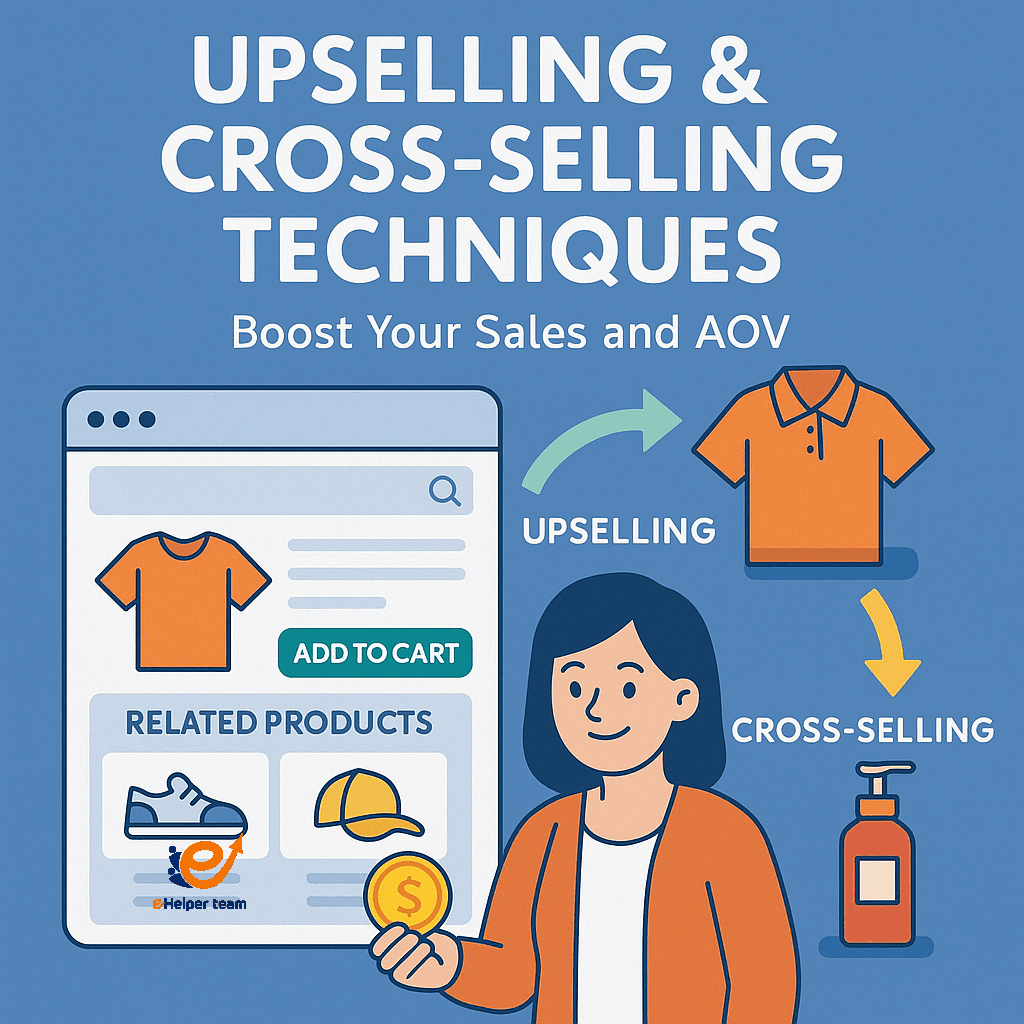
One of the most effective approaches is to recommend products that align with the customer’s initial choice. For instance, suggesting a protective case when someone buys a smartphone is a perfect example of related products suggestions.
2. Product Bundling to Increase Value
Offering bundles where customers can save money while purchasing multiple items together is one of the most common strategies. For example, selling a laptop with a bag and accessories in a single package gives customers better value while driving higher AOV.
3. Post-Purchase Upsell Offers
Another powerful tactic is presenting post-purchase upsell options on the thank-you page or in follow-up emails. This ensures customers see additional value immediately after completing a transaction without disrupting their original purchase.
4. Strategic Placement of Recommendations
Placing related products on product pages, checkout pages, and even within confirmation emails increases exposure and boosts chances of conversion.
How Technology Enhances Upselling
Ecommerce Platforms with Built-In Tools
Modern ecommerce platforms are equipped with tools that make implementing upselling and cross-selling much easier. According to this complete guide to choosing an ecommerce platform in 2024, selecting the right platform can directly impact how effectively you can execute these techniques.
Artificial Intelligence and Machine Learning
AI-driven algorithms analyze customer behavior and suggest the most relevant products, improving personalization and ensuring higher engagement.
Real-World Case Study: Upselling in Action
Imagine an online store selling coffee machines. Without upselling, a customer buys only the machine. With upselling, the store suggests:
A premium model with more features.
A subscription to high-quality coffee beans.
Bundled accessories like mugs and cleaning kits.
The result? The customer enjoys a better overall experience, and the store enjoys higher profits.
Mistakes to Avoid When Implementing Upselling
Overloading customers with too many options.
Suggesting unrelated products that break trust.
Using aggressive pop-ups that push buyers away.
Instead, the goal should always be to enhance, not overwhelm.
Why Design and User Experience Matter
Before implementing upselling and cross-selling, ensure your ecommerce design supports smooth navigation and intuitive shopping flows. According to the best WooCommerce themes guide, design plays a crucial role in encouraging users to explore additional offers and increase spending.
Additionally, sellers using YouTube or other platforms can expand opportunities with merchandise. A practical resource on how to sell YouTube merch illustrates how bundling products for fans can successfully drive sales.
Comparing Strategies at a Glance
| Strategy | Definition | Example | Best Use Case |
|---|---|---|---|
| Upselling | Convincing customers to buy a higher-end product | Offering iPhone Pro instead of iPhone base model | When customers are undecided between models |
| Cross-Selling | Suggesting complementary products | Laptop + Mouse | Works well on checkout pages |
| Product Bundling | Combining multiple items at a discount | Coffee machine + Beans + Mugs | Increases AOV while offering value |
| Post-Purchase Upsell | Offers after the purchase is complete | Extended warranty after buying TV | Creates additional revenue without disrupting checkout |
Long-Term Benefits of Upselling and Cross-Selling
Upselling and cross-selling don’t just increase immediate revenue, they also build customer loyalty. When customers feel that recommendations are truly valuable, they develop trust in the brand. Over time, this leads to:
Higher lifetime customer value.
Increased repeat purchases.
Stronger word-of-mouth referrals.
By focusing on long-term relationships rather than one-time gains, businesses achieve sustainable growth.
Real-World Examples of Success
Amazon: The classic “Customers who bought this item also bought” section is a cross-selling powerhouse that generates billions annually.
Apple: Always positions upgraded versions of iPhones and MacBooks as must-have options, a textbook case of upselling.
Starbucks: Masterfully bundles beverages with snacks, encouraging customers to spend slightly more with every visit.
These examples prove that upselling and cross-selling are not just theories, but tested strategies that the world’s biggest brands rely on.
Tools and Apps That Make It Easier
Implementing these strategies manually can be time-consuming, but modern ecommerce apps simplify the process. Many tools help with product bundling, personalized recommendations, and post-purchase upsells. For instance, Shopify apps such as ReConvert, frequently featured in ecommerce guides, are tailored to maximize AOV automatically.
Businesses should explore apps that:
Track buying behavior.
Automate product suggestions.
Provide analytics to refine strategies.
Advanced Tips for Smarter Upselling
Leverage data analytics to identify which products are commonly purchased together.
Test and optimize: A/B testing allows you to refine your offers for better conversion.
Segment customers: High-value customers may respond better to premium upgrades, while first-time buyers prefer low-cost add-ons.
Time your offers wisely: An upsell offer works best when the customer is already in a buying mindset.
Frequently Asked Questions (FAQs)
Q1: What’s the difference between upselling and cross-selling?
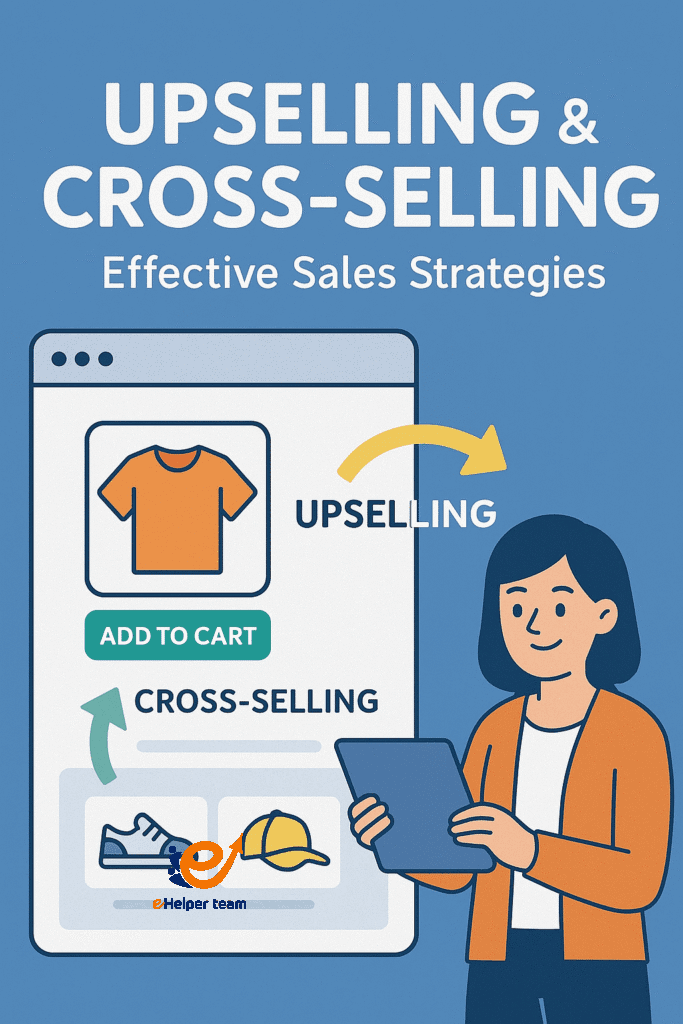
Upselling encourages customers to buy a higher-end version of the product, while cross-selling recommends complementary items to go with the purchase.
Q2: Are upselling and cross-selling only effective in ecommerce?
No, these strategies are effective across industries including banking, hospitality, and SaaS, wherever customers can benefit from add-ons or upgrades.
Q3: How does product bundling increase AOV?
It creates a sense of added value by offering multiple products together at a reduced price, encouraging customers to spend more.
Q4: Is post-purchase upselling too pushy?
Not when done correctly. Post-purchase upsells should be relevant and framed as an exclusive offer, which makes customers feel rewarded.
Q5: Do related product suggestions really work?
Yes, as long as the suggestions are relevant and timely. Customers are more likely to add to their cart when the recommended product enhances their purchase.
Conclusion
Upselling and cross-selling techniques are not just sales tactics but essential strategies for sustainable growth. By using methods like product bundling, related product suggestions, and post-purchase upsells, businesses can significantly boost average order value while also improving customer satisfaction. The right platform, the right design, and the right timing make all the difference in executing these strategies successfully.
When done correctly, these methods turn a one-time buyer into a long-term customer while maximizing every transaction’s potential. If you’re serious about growth, it’s time to start experimenting with upselling and cross-selling today.