Job Opportunities for People with Disabilities on JobAccess: A Complete Guide to Inclusive Employment
Have you ever wondered how people with disabilities can find fair and accessible employment opportunities in today’s competitive job market? With rapid changes in workplace expectations and hiring practices, many job seekers face challenges that go beyond skills and qualifications. This is where Job Opportunities for People with Disabilities on JobAccess play a crucial role in reshaping employment accessibility.
Is it possible for a job portal to truly understand the needs of people with disabilities while also meeting employer expectations? Many traditional platforms fail to address accessibility, workplace adjustments, and inclusive hiring practices. However, Job Opportunities for People with Disabilities on JobAccess are designed to bridge this gap by focusing on ability, support, and long-term success.
What if finding a job did not mean compromising on dignity, comfort, or accessibility? Through structured support, inclusive employers, and tailored job matching, Job Opportunities for People with Disabilities on JobAccess offer a more balanced and empowering employment experience for individuals with diverse needs.


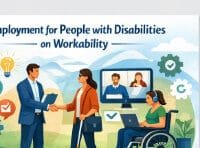
Job Opportunities for People with Disabilities on JobAccess
JobAccess is more than just a job listing platform. It is a comprehensive employment support system created to ensure people with disabilities have equal access to meaningful work. Unlike conventional job portals, JobAccess prioritizes accessibility, workplace flexibility, and employer accountability.
This platform focuses on removing both physical and systemic barriers that often prevent people with disabilities from entering or remaining in the workforce. By addressing these challenges directly, JobAccess creates a more inclusive employment ecosystem.
What Makes JobAccess Different from Traditional Job Portals
Traditional job portals usually focus on volume, competition, and speed. JobAccess, on the other hand, emphasizes quality, sustainability, and inclusion. Its structure is designed to support both job seekers and employers throughout the employment journey.
Key distinguishing factors include:
Focus on inclusive employment
Support for workplace adjustments
Employer education on disability awareness
Personalized job-matching processes
These features ensure that employment opportunities are not only available but also suitable and sustainable for individuals with disabilities.
The Importance of Equal Employment Access
Equal employment access is a fundamental right. However, people with disabilities often face higher unemployment rates due to inaccessible workplaces, biased hiring practices, and limited support systems. Disability-inclusive employment aims to remove these barriers and promote fairness.
Inclusive employment benefits everyone. It encourages diversity, improves workplace culture, and enhances productivity. Organizations that embrace disability inclusion often experience higher employee satisfaction and retention.
Breaking Common Employment Barriers
Some of the most common barriers faced by people with disabilities include:
Lack of accessible job information
Inflexible work arrangements
Limited understanding of disability needs
Inadequate workplace accommodations
JobAccess addresses these issues by providing structured guidance, employer support, and tools that help both parties succeed.
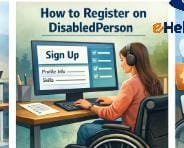
How to Register on JobAccess
Step-by-Step Registration Process
Understanding How to Register on JobAccess is essential for accessing available opportunities. The platform is designed to be user-friendly and accessible for individuals with different abilities.
The registration process typically includes:
Creating a personal account
Providing basic employment information
Indicating accessibility or support needs
Uploading professional documents
Accessing job listings and support services
Each step is designed to ensure that job seekers feel supported rather than overwhelmed.
Creating a Strong JobAccess Profile
A well-prepared profile increases visibility and improves job-matching accuracy. Job seekers are encouraged to clearly outline their skills, experience, and workplace needs.
Important profile elements include:
Professional summary
Skills and qualifications
Preferred work arrangements
Accessibility requirements
A strong profile helps employers understand how to provide the right environment for success.
Employment Support for People with Disabilities
Types of Support Available
One of the strongest features of JobAccess is Employment Support for People with Disabilities. This support goes beyond job listings and focuses on long-term career success.
Support services may include:
Guidance on workplace adjustments
Advice on communication with employers
Support during job transitions
Assistance with maintaining employment
This holistic approach ensures that individuals are not left unsupported after securing a job.
Workplace Adjustments and Accommodations
Workplace adjustments are changes that help employees perform their roles effectively. These may include flexible schedules, assistive technology, or modified workspaces.
By promoting awareness and understanding, JobAccess helps normalize workplace adjustments as a standard practice rather than an exception.
What Defines an Inclusive Employer
Finding Inclusive Employers on JobAccess means connecting with organizations that value diversity and actively support employees with disabilities. Inclusive employers recognize that accessibility is not a limitation but an opportunity for growth.
Characteristics of inclusive employers include:
Open communication about accessibility
Willingness to adapt work environments
Commitment to equal opportunities
Respect for individual needs
These employers focus on skills, performance, and potential rather than assumptions.
Why Inclusive Employers Matter
Inclusive employers create safer, more supportive work environments. Employees feel valued, respected, and motivated to contribute their best efforts. This leads to stronger teams and better organizational outcomes.
JobAccess plays a critical role in connecting job seekers with employers who share these values.
Types of Jobs Available Through JobAccess
JobAccess offers a wide range of roles across multiple industries and skill levels. These opportunities cater to different abilities, preferences, and career goals.
Common job categories include:
Administrative and office roles
Customer service positions
Digital and technology-based jobs
Creative and content-focused roles
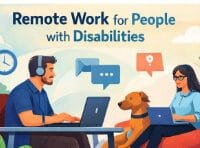
Flexible and remote work opportunities
The variety of roles ensures that job seekers can find positions aligned with their strengths and interests.
Why Flexibility Is Essential
Flexible work arrangements are especially important for people with disabilities. They allow individuals to manage health needs, energy levels, and accessibility requirements more effectively.
Benefits of flexible work include:
Reduced commuting challenges
Improved work-life balance
Increased productivity
Greater job satisfaction
JobAccess supports flexibility as a core principle of inclusive employment.
Preparing for Long-Term Career Success
Securing a job is only the first step. Long-term career success requires ongoing support, growth opportunities, and a supportive work environment.
JobAccess encourages continuous development through:
Skill enhancement
Employer feedback
Career planning guidance
Workplace adaptation support
This approach ensures that employment remains sustainable and fulfilling.
Challenges Faced by People with Disabilities in the Job Market
Despite growing awareness around inclusion, people with disabilities still face several challenges when seeking employment. These challenges are often systemic rather than individual and can significantly limit access to fair job opportunities.
Some of the most common challenges include:
Limited access to accessible job platforms
Employer misconceptions about productivity
Inadequate workplace accommodations
Lack of flexibility in job roles
Poor communication regarding accessibility needs
JobAccess addresses these challenges by creating a structured and supportive environment where both job seekers and employers receive guidance and resources.
How JobAccess Helps Overcome Employment Barriers
- Reducing Employer Bias
One of the key goals of JobAccess is to reduce unconscious bias in hiring. Employers are encouraged to focus on skills, qualifications, and potential rather than assumptions about disability.
By promoting disability-inclusive hiring practices, JobAccess helps employers understand that diversity strengthens teams and improves workplace culture.
- Improving Accessibility Awareness
Accessibility is not limited to physical spaces. It also includes communication, technology, and work processes. JobAccess educates employers on how to create accessible environments that support employee success.
This awareness leads to:
Better onboarding experiences
Stronger employee engagement
Reduced turnover rates
Comparing JobAccess with Traditional Employment Platforms
| Feature | JobAccess | Traditional Job Platforms |
|---|---|---|
| Focus on Accessibility | Yes | Limited |
| Support Services | Comprehensive | Minimal |
| Inclusive Employers | Prioritized | Not Guaranteed |
| Workplace Adjustments | Supported | Rare |
| Long-Term Career Support | Yes | No |
This comparison highlights why JobAccess is a preferred option for people seeking inclusive employment opportunities.
Why Skills Matter More Than Limitations
In inclusive employment environments, skills and capabilities take priority over limitations. JobAccess encourages job seekers to focus on developing and showcasing their strengths.
High-demand skills often include:
Digital literacy
Communication skills
Administrative abilities
Creative and analytical thinking
Remote collaboration skills
Skill development increases confidence and improves long-term employability.
Building Confidence Through Employment Support
Confidence plays a major role in job success. Through guidance and structured support, JobAccess helps individuals feel prepared and valued throughout their employment journey.
This confidence leads to:
Better interview performance
Stronger workplace relationships
Higher job satisfaction
The Growing Demand for Flexible Jobs
Flexible work models are becoming increasingly popular across industries. For people with disabilities, flexibility is not a luxury—it is often a necessity.
Flexible work may include:
Remote work options
Part-time schedules
Hybrid roles
Adjustable working hours
JobAccess promotes flexibility as a key element of inclusive employment.
Benefits for Employers and Employees
Flexible work arrangements benefit everyone. Employees experience improved well-being, while employers gain access to a wider talent pool.
Key benefits include:
Increased productivity
Reduced absenteeism
Improved employee retention
Stronger employer reputation

How Employers Benefit from JobAccess
Employers who engage with JobAccess gain access to skilled and motivated candidates while also improving their organizational culture.
Business Advantages of Inclusive Hiring
Inclusive hiring offers measurable benefits such as:
Diverse perspectives and innovation
Stronger team collaboration
Enhanced brand reputation
Compliance with employment standards
Employers also receive guidance on creating supportive and accessible workplaces.
The Long-Term Impact of JobAccess on Employment Equality
JobAccess is not a short-term solution. It is part of a broader movement toward employment equality and social inclusion.
Creating Sustainable Employment Opportunities
Sustainable employment focuses on long-term success rather than short-term placement. JobAccess supports this by:
Encouraging career progression
Supporting workplace adaptation
Promoting ongoing communication between employers and employees
This approach helps individuals build stable and fulfilling careers.
Shaping the Future of Inclusive Workplaces
As awareness grows, inclusive employment is expected to become the standard rather than the exception. JobAccess plays a vital role in shaping this future by setting clear expectations for accessibility and inclusion.
Frequently Asked Questions (FAQs)
What is JobAccess designed for?
JobAccess is designed to support people with disabilities by providing access to inclusive job opportunities, employment support, and workplace adjustment guidance.
Who can benefit from JobAccess services?
People with disabilities, injuries, or health conditions that affect work, as well as employers seeking inclusive hiring solutions.
Does JobAccess support long-term employment?
Yes, JobAccess focuses on sustainable employment and long-term career success rather than short-term job placement.
Are inclusive employers different from regular employers?
Inclusive employers actively support accessibility, flexibility, and equal opportunities for all employees.
Can JobAccess help with workplace adjustments?
Yes, JobAccess provides guidance and support related to workplace adjustments and accessibility needs.
Conclusion
JobAccess represents a powerful step forward in creating equal employment opportunities for people with disabilities. By focusing on accessibility, flexibility, and long-term support, it challenges traditional employment barriers and promotes a more inclusive workforce.
Through Job Opportunities for People with Disabilities on JobAccess, individuals are empowered to pursue meaningful careers while employers gain access to diverse and capable talent. As inclusive employment continues to evolve, JobAccess remains a vital platform for building fair, accessible, and sustainable workplaces for everyone.