Best way that Reseller Hosting Program can Work with it
The digital business landscape is rapidly expanding, and one of the most effective entry points into the web services industry today is Reseller Hosting. Whether you’re an entrepreneur, a web developer, or a digital agency, reseller hosting offers a profitable path to build your own hosting brand without managing servers or infrastructure.
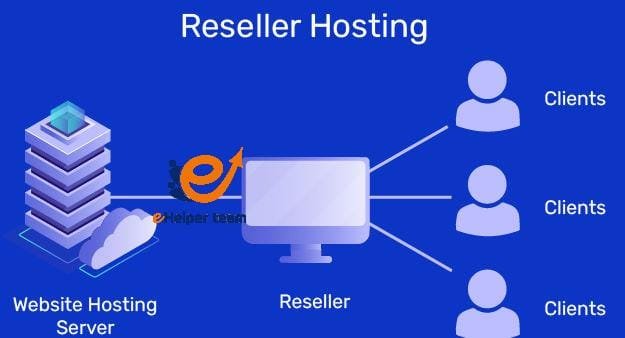
In simple terms, Reseller Hosting allows you to purchase hosting resources in bulk and resell them to your clients under your own brand name. This flexible model empowers small businesses to scale easily, generate consistent income, and build long-term relationships with clients.
If you’re just starting, it’s vital to understand what reseller hosting is and how it works. You can explore this comprehensive guide on what reseller hosting is to learn the core fundamentals before diving into advanced techniques.
In this article, we’ll break down how to make your reseller hosting program work effectively — covering setup, marketing, pricing models, customer retention, and more — with modern strategies tailored for 2025 and beyond.



What Is the Best Way for a Reseller Hosting Program to Work?
To make a Reseller Hosting program successful, it’s crucial to balance technical excellence, marketing strategy, and customer satisfaction. The first and most important step is to select a reliable hosting provider that offers fast, secure, and scalable reseller plans. The provider’s uptime, server speed, and support directly affect your brand reputation.
Here’s what defines a successful reseller program:
Reliable hosting infrastructure: Your parent hosting company should provide top-tier hardware, SSD storage, and 24/7 customer support.
White-label branding: You should have the option to use your own logos, custom cPanel, and billing interface.
Automated management: Using tools like WHMCS simplifies billing, domain management, and customer accounts.
Competitive pricing: Offering affordable but value-driven packages attracts both small businesses and freelancers.
Moreover, many entrepreneurs fail because they try to compete only on price. Instead, focus on value differentiation — offer free website migration, SEO support, or custom WordPress setup services.
You can also review this detailed comparison between reseller hosting and shared hosting to understand where reseller models outperform shared solutions in scalability and control.
By aligning great infrastructure with superior client support, your Reseller Hosting business can scale faster and maintain high customer retention.
Choosing the Right Reseller Hosting Provider
Selecting the right partner is the cornerstone of a thriving reseller business. The ideal Reseller Hosting provider offers high uptime, 24/7 support, and easy scalability. Don’t just chase low prices — look for providers that balance cost with performance.
Key factors to evaluate include:
Server performance: Look for SSD-based storage and CloudLinux servers.
Resource allocation: Ensure flexible bandwidth and disk space quotas.
Brand freedom: Confirm that the host offers white-label branding so clients never see the parent host’s name.
Customer support: 24/7 multilingual support can make or break your business.
Another crucial step is comparing the best companies in the market. The article what is Reseller Hosting and Top Reseller Hosting Companies provides a valuable overview of leading providers, including their unique features and pricing models.
Once you’ve chosen a provider, start small — test the system, evaluate performance, and refine your marketing message before scaling up. Remember: customer trust grows when you deliver reliability and fast performance.
Building a Scalable Reseller Hosting Business
Building a sustainable Reseller Hosting business goes beyond selling plans — it’s about creating a strong brand identity and customer experience. This involves careful planning, smart pricing, and ongoing support.
Here’s how you can build scalability:
Branding: Use a professional domain, custom logo, and a modern website with an integrated hosting dashboard.
Automation: Implement billing automation using WHMCS or ClientExec.
Upselling: Offer additional services like SSL certificates, backups, and email hosting.
Customer loyalty: Create subscription-based pricing and loyalty rewards.
One helpful resource to learn from is Reseller Web Hosting, which outlines how early providers structured their programs for long-term growth — insights that remain relevant even today.
As your business expands, reinvest in marketing tools like affiliate systems, Google Ads, and social media promotions. Encourage satisfied clients to refer others — word-of-mouth is still one of the most powerful forms of advertising in hosting.
Effective Marketing Techniques for Reseller Hosting Businesses
No matter how great your Reseller Hosting setup is, your business will not grow without a solid marketing strategy. Marketing is the key to turning your hosting packages into a profitable and recognizable brand.
- Build Your Brand Presence
The first step is to establish a strong online brand identity. Your website should look professional, include client testimonials, and clearly present your hosting packages. Optimize every page with relevant keywords like “Reseller Hosting,” “affordable web hosting,” and “managed reseller plans.”
Add a blog section to educate your audience. Write about topics such as “How to Start a Hosting Business” or “The Benefits of Cloud Reseller Hosting.” Educational content builds trust and improves search rankings.
You can learn more about the fundamentals from what is reseller hosting and top reseller hosting companies, which outlines leading hosting companies and their strategies.
- Leverage Social Media
Use social media marketing to connect directly with your target audience. Create short, visual posts about hosting benefits, and share client success stories. Platforms like LinkedIn and YouTube are perfect for B2B promotion, while X (Twitter) and Instagram can attract startups and freelancers.
- Use SEO and Paid Campaigns
Combine organic SEO with paid ads to gain visibility. Optimize your site with internal linking, backlinks, and fast loading speeds. Run Google Ads for high-intent keywords like “best reseller hosting program” or “how to start a web hosting business.”
- Email Marketing and Customer Retention
Build a newsletter to keep clients updated with offers, tips, and new plans. Use segmented email campaigns to target different customer groups — beginners, developers, or agencies — with personalized promotions.
With consistent branding and marketing, your Reseller Hosting business will gain credibility and attract loyal customers faster.

Managing Customers and Delivering Superior Support
Customer service is the heart of any successful Reseller Hosting program. Even if your infrastructure is top-notch, poor support can destroy your reputation.
- Offer 24/7 Responsive Support
Ensure you have round-the-clock support through multiple channels — live chat, email, and phone. Quick responses create trust and reduce churn. Remember, your customers rely on you for uptime and peace of mind.
- Build a Knowledge Hub
Create an accessible knowledge base with step-by-step guides, FAQs, and troubleshooting tips. This helps customers solve common issues themselves and reduces the volume of support tickets.
- Communicate Transparently
Honesty strengthens customer trust. If maintenance or downtime is scheduled, notify users early. Being upfront makes clients feel valued and confident in your service reliability.
- Reward Loyal Customers
Implement loyalty rewards, like renewal discounts or referral bonuses. This encourages existing clients to stay and bring new users to your hosting business.
To understand how the best hosting companies handle these aspects, review this classic reference: Reseller Web Hosting, The Best Reseller Hosting in 2018. It outlines early methods of building long-term hosting relationships — still relevant today.
Excellent support not only keeps customers happy but also turns them into your brand ambassadors.
Scaling and Future-Proofing Your Reseller Hosting Business
Scaling your Reseller Hosting business requires careful planning and automation. Growth isn’t just about more clients — it’s about maintaining quality and consistency as you expand.
- Automate Operations
Use automation tools like WHMCS for billing, ticketing, and account management. Automation reduces manual errors and allows you to focus on strategic tasks such as marketing and expansion.
- Expand Your Product Offerings
Diversify by adding domain registration, SSL certificates, and email hosting. Bundled packages increase customer value and your overall revenue.
- Introduce Affiliate Programs
Encourage satisfied clients to become affiliates. Offer them a small commission for every new customer they refer. This strategy drives steady organic growth with minimal advertising costs.
- Analyze and Improve
Use analytics tools like Google Analytics and Hotjar to track user behavior. Identify which pages convert best and where customers drop off. Adjust your site and packages accordingly for better conversions.
- Stay Updated
Technology evolves quickly. Regularly upgrade your hosting packages, security protocols, and website speed. Stay informed about new hosting technologies like cloud reseller hosting or VPS reseller plans to stay competitive.
By automating systems, diversifying services, and using data-driven decisions, your Reseller Hosting business can remain profitable and resilient in an ever-changing digital world.
Frequently Asked Questions (FAQs)
1. What is Reseller Hosting in simple terms?
It’s a business model where you buy hosting resources from a parent provider and resell them to your clients under your brand name.
2. How can I start a Reseller Hosting business?
Choose a reliable hosting provider, purchase a reseller plan, design your packages, and market them to your audience. You can read more at what is reseller hosting.
3. Is Reseller Hosting profitable in 2025?
Yes, it’s still profitable — especially with the growing number of websites and online businesses worldwide.
4. How is Reseller Hosting different from Shared Hosting?
Shared hosting is for personal use, while reseller hosting allows you to create and sell hosting accounts. For a full comparison, check this article.
5. Which companies offer the best Reseller Hosting?
Top providers include HostGator, A2 Hosting, and SiteGround. Learn more about leading companies here.
6. What tools do I need for Reseller Hosting management?
You’ll need WHM, cPanel, and billing software like WHMCS for automation and easy management.
7. How do I attract new clients to my Reseller Hosting business?
Use SEO, content marketing, social media campaigns, and referral programs to gain visibility.
8. Can I set my own prices?
Yes. Reseller plans allow full flexibility to set your own pricing and profit margins.
9. What are common mistakes beginners make?
They often underprice services, neglect marketing, or choose unreliable providers. Focus on value, not just low cost.
10. How can I maintain long-term clients?
Offer excellent support, transparent communication, and periodic discounts. Loyalty programs are highly effective for retention.
Conclusion
Running a successful Reseller Hosting business in 2025 is about more than selling storage and bandwidth — it’s about building trust, automation, and value.
By carefully choosing your hosting partner, crafting a solid marketing plan, and providing unmatched customer support, you can create a sustainable digital brand that stands the test of time.
With strategic scaling, automated systems, and innovative service bundles, your Reseller Hosting business can become a steady source of income and reputation in the ever-growing web industry.