3 Ways to Increase Website Traffic and blogger traffic
Many people today wonder how they can increase their website traffic or bring more visitors to their blogs. They often hear terms like “SEO” or “digital marketing,” but they don’t fully understand how these tools work. In fact, website visitors usually arrive through three main paths: search engines, advertising, and referrals from other people.
In this article, we’ll break down the 3 most powerful ways to increase website traffic and blogger traffic in 2025. You’ll learn how search engines play a vital role, how ads (free and paid) can make a difference, and how referrals and content sharing help websites grow.
By the end, you’ll clearly see how to turn your site into a hub that attracts steady visitors every day.



Understanding the Importance of Website Traffic
Why Website Traffic Is the Lifeblood of Online Success
Website traffic is more than just numbers—it’s the measure of how many people are discovering, engaging with, and trusting your online presence. Whether you’re running an e-commerce store, a personal blog, or a professional service site, visitors are the foundation of growth. Without traffic, even the best content or products will remain invisible.
Consider this: over 90% of internet users rely on search engines like Google or Bing to find information, while only 10% depend on ads, referrals, or direct recommendations. This shows how crucial it is to appear in search results.
Common Misconceptions About Website Traffic
Some believe that more traffic always equals more sales. In reality, quality traffic—people genuinely interested in your niche—is far more important.
Many assume that once their site ranks high in Google, their work is done. The truth is SEO and marketing require ongoing effort.
Others think paid ads alone can replace organic traffic. Ads can help, but long-term growth comes from SEO and community-building.
Method 1: Leveraging Search Engines (SEO & Content Strategy)
The Role of SEO in Driving Organic Visitors
The most effective way to increase website traffic is through search engine optimization (SEO). SEO ensures that when users search for specific terms, your site appears among the top results. Since most people rarely click past the first page of Google, ranking higher dramatically boosts your visibility.
Keyword Research and Content Optimization
By targeting specific keywords related to your niche, you attract the right audience. For example, a food blogger might focus on “healthy dinner recipes” rather than a broad term like “food.” Tools such as Google Keyword Planner or SEMrush can help find terms people are actively searching for.
Content optimization goes beyond keywords—it includes crafting engaging titles, adding relevant images, and ensuring readability.
On-Page and Technical SEO Best Practices
Optimize meta tags and descriptions.
Use internal linking to guide visitors through your site.
Ensure fast page loading speed.
Make your website mobile-friendly, as most users browse via smartphones.
Search engine traffic takes time to build, but once established, it becomes the most reliable and cost-effective source of website traffic.
Method 2: Using Online Advertising (Free & Paid Promotions)
Paid Advertising Campaigns (Google Ads, Social Media Ads)
Google Ads and Facebook Ads remain two of the most effective paid methods for gaining quick traffic. With proper targeting, you can bring in highly relevant visitors within hours of launching a campaign.
Free Advertising Channels (Forums, Guest Posts, Blog Exchanges)
If your budget is limited, you can rely on free promotions such as posting in forums, writing guest articles on other blogs, and exchanging blog mentions with partners. These tactics may take more effort but often deliver valuable long-term results.
The Importance of Backlinks for Sustained Traffic
Backlinks (links from other websites to yours) play a huge role in SEO. When high-authority sites mention your content, search engines treat your website as trustworthy, boosting your ranking.
For a practical example, check this helpful video: Watch here.
Method 3: Word-of-Mouth, Referrals, and Influencer Marketing
Harnessing the Power of Referrals and Recommendations
Sometimes, the oldest methods remain the strongest. Word-of-mouth marketing—where someone recommends your site to a friend—can create loyal visitors. Bloggers and small business owners can encourage referrals by offering valuable, shareable content.
Influencer Collaborations and Guest Articles
Partnering with influencers in your niche allows you to tap into their established audiences. A single guest post or collaboration can send hundreds of visitors your way.
Building Authority Through Community Engagement
Be active in online communities like Reddit, Quora, or niche Facebook groups. Answering questions and offering insights will gradually direct people to your website.
Learn more with this guide: Watch this video.
Extra Tips to Increase Blogger Traffic Effectively
Combining SEO With Continuous E-Marketing
SEO is powerful but works best when combined with ongoing e-marketing campaigns. Regular updates, fresh blog posts, and content promotion keep your site alive in the digital world.
Why Email Marketing and Newsletters Still Work
Building an email list ensures you always have direct access to your readers. Unlike social media platforms where algorithms control visibility, email gives you full control over communication.
Social Media Integration and Content Sharing
Sharing blog posts on platforms like LinkedIn, Instagram, and Twitter increases reach. Adding share buttons on your blog encourages visitors to spread the word.
User Experience (UX) as a Traffic Magnet
Search engines have evolved. In 2025, Google no longer prioritizes only keywords and backlinks—it also measures user experience. Websites that load quickly, are mobile-friendly, and offer intuitive navigation are rewarded with higher rankings.
To improve UX, focus on:
Page speed: Compress images, use faster hosting, and apply caching.
Mobile-first design: More than 70% of visitors browse via smartphones.
Interactive design: Use quizzes, polls, and interactive visuals to keep users engaged.
A smooth, enjoyable browsing experience not only attracts more visitors but also makes them stay longer, reducing bounce rates and boosting website traffic naturally.
The Role of Analytics in Traffic Growth
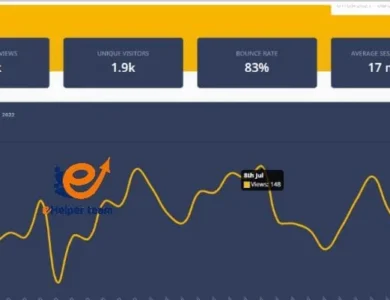
You can’t improve what you don’t measure. Tools like Google Analytics 4 and Microsoft Clarity provide insights into visitor behavior—what pages they read, how long they stay, and where they drop off.
By analyzing this data, you can:
Identify your most successful content and replicate its strategy.
Fix pages with high exit rates to keep visitors longer.
Discover which sources (search engines, social media, referrals) bring the best traffic.
Regular analysis ensures that you’re not just guessing but making data-driven decisions that increase website traffic efficiently.
Content Diversification and Interactive Media
Text-based content is still powerful, but in 2025, diversification is key. Adding videos, podcasts, infographics, and even short interactive tools makes your site more appealing.
Videos: Tutorials and product demos improve engagement.
Podcasts: Perfect for audiences who prefer audio over reading.
Interactive tools: Calculators, quizzes, or planners keep users returning.
This variety caters to different learning styles and maximizes the chances of capturing attention. By embracing diverse formats, bloggers and businesses can dramatically expand their reach and website traffic.
Building Long-Term Communities Around Your Website
Finally, a powerful but often overlooked strategy is building a community. This can be done through comment sections, forums, or private groups linked to your site. When visitors feel part of a community, they return repeatedly and invite others.
Community-driven content—like user-generated reviews, discussion threads, or challenges—creates an ecosystem where visitors become promoters. This not only sustains but multiplies your website traffic over time.

FAQs About Website Traffic
Q1: What is the fastest way to increase website traffic?
Paid advertising offers the fastest results, but SEO provides more sustainable long-term traffic.
Q2: How often should I publish blog content?
At least once a week is ideal, but consistency matters more than frequency.
Q3: Do backlinks still matter in 2025?
Yes—high-quality backlinks remain one of the strongest ranking factors.
Q4: Can social media alone increase website traffic?
It can help, but pairing it with SEO and email marketing is far more effective.
Q5: Is it better to target broad or specific keywords?
Specific, long-tail keywords usually attract more qualified visitors.
Q6: Does video content help with traffic?
Absolutely! Video improves engagement and can rank in both search engines and YouTube.
Conclusion: Building Long-Term Website Traffic Growth
Increasing website traffic isn’t about shortcuts—it’s about building a long-term system. Search engines provide the most consistent flow of visitors, ads can boost visibility, and referrals create trust. By combining all three methods with continuous e-marketing, you can turn your site into a digital authority.
The journey takes time, but the rewards are worth it: steady growth, stronger brand presence, and a loyal audience.
read also: How to build a landing page for your site helps increase Traffic website