Dropshipping Vs Affiliate Marketing : Which is Appropriate?
In today’s fast-changing online marketplace, two business models stand out for aspiring entrepreneurs — Dropshipping Vs Affiliate Marketing. Both offer low startup costs, flexible operations, and the promise of passive income. Yet, they differ fundamentally in structure, control, and long-term sustainability.
In 2025, digital entrepreneurship isn’t just about selling; it’s about leveraging automation, social media, and data-driven strategies to build scalable online income streams. Whether you’re looking to start a Shopify store or promote affiliate products via TikTok or YouTube, understanding these two models is essential before investing your time and money.
By the end of this article, you’ll know which model suits you best, what challenges to expect, and how to scale effectively in 2025’s competitive online environment.



What Is the Difference Between Dropshipping and Affiliate Marketing?
At the core, Dropshipping Vs Affiliate Marketing both enable you to earn money online without owning inventory — but how they generate profit and manage customers is completely different.
1. Ownership and Operations
Dropshipping: You sell physical products directly to customers via an eCommerce store. However, instead of holding inventory, you partner with suppliers who ship products directly to your buyers.
Affiliate Marketing: You don’t sell anything yourself. Instead, you promote another company’s product using a unique affiliate link, earning a commission when a sale or lead occurs.
Essentially, dropshipping is a form of retail fulfillment, while affiliate marketing is a performance-based referral model.
2. Revenue Structure
In dropshipping, you control product pricing and profit margins. You buy from a supplier at a lower cost and sell higher to customers.
In affiliate marketing, the company sets the commission rates (typically 5–50%) — your earnings depend on conversions, not pricing.
3. Customer Relationship
Dropshipping builds brand ownership and customer loyalty, since buyers deal directly with your store. Affiliate marketing, however, builds trust through content and recommendations, without handling customer service.
How Dropshipping Works in 2025
Dropshipping has evolved significantly. What once seemed like a quick-profit model is now a data-driven eCommerce system powered by automation, AI, and niche marketing.
Step-by-Step Breakdown
Choose a Profitable Niche: Successful stores in 2025 focus on micro-niches — for example, eco-friendly tech accessories or pet care innovations.
Find Trusted Suppliers: Platforms like Alibaba, CJ Dropshipping, and Spocket now offer integrated analytics and quality verification.
Set Up an Online Store: Most entrepreneurs use Shopify or WooCommerce for quick setup and smart automation tools.
Market Through Paid & Organic Channels: Social media ads, influencers, and email automation are key to attracting consistent buyers.
Fulfillment and Support: Orders are automatically sent to suppliers who package and ship to the end customer.
Challenges and Realities
Despite its appeal, dropshipping comes with:
High competition and thin margins (especially for trending products).
Dependency on supplier reliability and shipping times.
Increasing consumer awareness, pushing demand for branded stores.
However, AI-driven inventory forecasting and print-on-demand integrations are reviving dropshipping in 2025 — allowing sellers to personalize products without holding stock.
Profit Potential
A mid-level dropshipper can earn between $1,000–$10,000 monthly, depending on product pricing and ad spend. But long-term success in Dropshipping Vs Affiliate Marketing requires branding and niche focus, not just chasing viral products.
How Affiliate Marketing Works Today
Affiliate marketing in 2025 is no longer just about sharing referral links — it’s about influencer authority, SEO mastery, and multi-platform monetization.
Modern Affiliate Workflow
Join an Affiliate Program: Popular ones include Amazon Associates, ClickBank, and Impact.
Choose High-Conversion Offers: Focus on digital products (courses, software) or high-ticket items with larger commissions.
Create Value-Driven Content: Blog posts, YouTube tutorials, and TikTok videos that solve real problems.
Drive Targeted Traffic: Through SEO, paid ads, and social media communities.
Track & Optimize: Use analytics to measure conversion rates and ROI.
Benefits of Modern Affiliate Marketing
No Customer Service: You don’t manage refunds or shipping.
Scalability: One piece of high-performing content can earn for years.
Low Overhead: Minimal setup and maintenance costs.
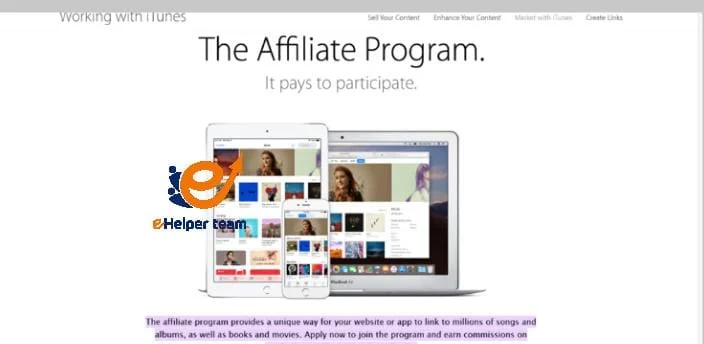
Drawbacks
Dependence on third-party platforms and algorithms.
Commission cuts from affiliate networks (a growing issue in 2025).
Slow income start — it can take months before real revenue appears.
Still, for content creators, affiliate marketing offers freedom and scalability unmatched by dropshipping — especially when combined with YouTube and SEO strategies.
Comparing Profit Potential and Risk: Dropshipping Vs Affiliate Marketing
When analyzing Dropshipping vs. affiliate Marketing, profitability and risk management are the two pillars that help determine which model is more appropriate. While both can yield impressive returns, their financial structure and scalability differ dramatically.
1. Profit Margins
Dropshipping: Typically, profit margins range between 15%–45%, depending on product category and marketing costs. Sellers can adjust prices freely, giving them direct control over earnings.
Affiliate Marketing: Commission-based, with margins ranging from 5%–50% per sale. Affiliates depend on vendors’ terms, though high-ticket affiliate programs can boost profitability significantly.
For example, promoting a $1,000 software course with a 30% commission earns $300 per sale — comparable to multiple small eCommerce orders in dropshipping.
2. Startup Costs and Investment Risk
Dropshipping: Requires upfront investment for a domain, hosting, paid ads, and store setup. A beginner might spend between $500–$2,000 before earning a profit.
Affiliate Marketing: Minimal startup costs — often less than $100 for a domain and hosting. No ad spend is mandatory if you rely on SEO or organic traffic.
Therefore, from a risk-to-reward ratio, affiliate marketing is safer for beginners, while dropshipping offers greater scalability for those ready to invest capital.
3. Revenue Stability
Affiliate marketing tends to provide long-term passive income once content ranks and audiences grow. Dropshipping revenue, however, is more volatile — heavily tied to ad performance and market trends.
In simple terms:
Affiliate marketing builds compounding income over time; dropshipping requires constant optimization and reinvestment.
Which Is More Suitable for You?
Choosing between Dropshipping and affiliate Marketing depends on your skills, goals, and risk tolerance. Let’s break it down to help you make a confident decision.
| Criteria | Dropshipping | Affiliate Marketing |
|---|---|---|
| Startup Cost | Higher (ads, store setup) | Lower (mainly content tools) |
| Control Over Product | Full control (pricing, branding) | No control (you promote others’ products) |
| Customer Relationship | Direct contact | Indirect, via brand or vendor |
| Scalability | High (own brand, multiple stores) | High (multiple platforms, niches) |
| Risk | Moderate to High | Low |
| Learning Curve | Medium | Medium to Low |
| Best For | Entrepreneurs wanting to build a brand | Content creators and marketers |
If you enjoy branding, analytics, and managing a business, dropshipping is your arena.
But if you prefer content creation, storytelling, and organic growth, affiliate marketing will fit your personality better.
For hybrid thinkers, a combined approach works best — starting with affiliate marketing to build an audience, then launching a dropshipping brand once you have loyal traffic.
The Future of Dropshipping Vs Affiliate Marketing in 2025 and Beyond
The digital landscape is evolving rapidly, with automation, AI tools, and global competition redefining online income models. Understanding these future trends in Dropshipping Alibaba can help you stay ahead of the curve.
1. AI and Automation
Both models are benefiting from AI-driven marketing automation:
Dropshippers use AI to analyze product trends, automate order fulfillment, and personalize ads.
Affiliates use AI content tools for keyword research, content creation, and conversion optimization.
2. Content-Driven Commerce
In 2025, consumers trust content creators more than ads. This shift has made affiliate marketing even more powerful.
Smart dropshippers are adapting by using influencer marketing and user-generated content (UGC) to mimic authentic recommendations.
3. Regulatory and Compliance Changes
Transparency is now mandatory. Affiliates must disclose partnerships clearly, while dropshippers must comply with import/export regulations and consumer protection laws.
Those who follow best practices and maintain authentic value delivery will outlast short-term opportunists.
4. The Hybrid Future
A growing number of entrepreneurs blend both models — building an audience through affiliate marketing, then launching private-label products via dropshipping. This synergy maximizes traffic monetization and reduces dependency on one income stream.

Frequently Asked Questions (FAQs)
1. Can I do both Dropshipping and Affiliate Marketing simultaneously?
Yes. Many entrepreneurs start with affiliate marketing to build traffic and credibility, then use dropshipping to sell complementary physical products to their audience.
2. Is Dropshipping still profitable in 2025?
Absolutely — but only with niche targeting and brand differentiation. The market is saturated, so standing out requires strong branding, fast shipping, and excellent customer experience.
3. How much can I earn from Affiliate Marketing monthly?
Earnings vary, but consistent affiliates make between $1,000–$20,000/month, depending on traffic, conversion rate, and niche competitiveness.
4. Which model is better for beginners?
Affiliate marketing is generally easier to start. It requires less investment, no inventory, and minimal risk.
5. How long does it take to see profit in Dropshipping?
Usually between 3–6 months, depending on ad performance, niche selection, and supplier reliability.
6. What skills do I need for Affiliate Marketing?
SEO, content writing, social media marketing, and understanding consumer psychology are crucial to success.
7. Can I do Affiliate Marketing without a website?
Yes! You can promote affiliate links through social media platforms like TikTok, YouTube, or Instagram. See Dropshipping Vs Affiliate Marketing Without a Website for detailed guidance.
8. What’s the biggest challenge in Dropshipping?
The most common challenges in Dropshipping Vs Affiliate Marketing include supplier reliability, long shipping times, and maintaining competitive pricing while managing ad costs.
9. Is Affiliate Marketing passive income?
It can be. Once your content ranks and audiences engage, affiliate links can generate recurring income with minimal effort — a great form of semi-passive income.
10. How do I decide between the two models?
Ask yourself:
Do I want to build a brand and handle customers? → Choose Dropshipping.
Do I prefer content and audience building? → Choose Affiliate Marketing.
Both paths lead to success — the difference lies in your time, personality, and business goals.
Final Thoughts
Dropshipping Vs Affiliate Marketing, In 2025, success isn’t about picking the “better” model — it’s about executing your chosen path better than others. Whether you sell or recommend, your authenticity and value delivery are what ultimately drive long-term digital success.