How to convert your website traffic to an online client or a frequent visitor to your site
Converting website traffic into paying customers or loyal returning visitors has become one of the most important challenges for online businesses in 2025. Attracting visitors to your site is no longer enough; the real success lies in engaging them, building trust, and encouraging them to take meaningful actions such as subscribing, purchasing, or coming back regularly. From building effective landing pages to creating social media strategies and leveraging advanced analytics, today’s digital landscape requires businesses to move beyond clicks and focus on true conversion. In this guide, we’ll explore practical methods and proven strategies to help you turn casual visitors into long-term assets for your business.

How to Convert Website Traffic Step by Step
Here’s a clear roadmap for transforming casual visitors into long-term clients:
Attract the Right Audience
Not all is valuable. Focus on drawing people who actually want what you offer. Use targeted keywords, niche blog content, and social ads designed for your ideal customer.Build Trust Immediately
Trust is non-negotiable. Add customer reviews, trust badges, or certifications to your homepage and landing pages. A brand that looks credible is more likely to convert.Offer Value First
Don’t ask for commitment right away. Provide a free resource—like a checklist, guide, or webinar—in exchange for an email address. This “give before you take” approach establishes goodwill.Create a Clear Conversion Path
Each page should have one focused call-to-action. Whether it’s “Sign Up,” “Get Started,” or “Buy Now,” clarity reduces confusion and improves conversions.Engage With Retargeting
Most visitors leave without acting. Use retargeting ads or follow-up emails to remind them of what they saw and encourage them to return.Personalize the Experience
Use AI tools to recommend products or content based on browsing behavior. Personalized experiences keep visitors engaged and increase loyalty.Measure and Optimize
Track analytics to see where users drop off. Adjust your design, content, or funnel until conversions improve.


By following these steps consistently, you can transform one-time visitors into loyal clients who keep coming back.
Why Website Traffic Conversion Matters
Generating website traffic through SEO, ads, or social media is costly and time-intensive. But without conversions, it’s wasted effort. Conversion turns raw visitor numbers into business growth.
Benefits of Focusing on Conversion:
Revenue Growth: More conversions mean more sales without more ad spend.
Customer Loyalty: Returning visitors are easier to retain and more profitable.
Marketing Efficiency: Every visitor becomes more valuable.
Studies show businesses that optimize conversion enjoy 30–40% higher revenue growth compared to those focused only on visitor numbers.
Designing Landing Pages That Drive Action
Landing pages are often the first real test of your brand. According to expert insights on landing page design, targeted landing pages generate 55% more leads than generic ones.
Must-Have Elements of a Strong Landing Page:
Clear Messaging: State what problem you solve.
Focused Design: Highlight one primary call-to-action.
Social Proof: Add testimonials or client logos.
Fast Loading: Slow pages lose conversions.
Mobile Optimization: Ensure seamless performance on all devices.
A landing page aligned with visitor intent creates a smooth path toward conversion.
Using Social Media to Boost Conversions
Social media is more than just visibility—it’s a conversion powerhouse. From Instagram Reels to LinkedIn posts, different formats engage different users.
Effective Tactics:
Retargeting Campaigns: Reconnect with users who didn’t convert.
Shoppable Posts: Allow purchases directly on Instagram and Facebook.
Community Building: Encourage loyalty through group interaction.
Platform-Specific Content: Tailor posts for each audience.
By guiding this traffic to optimized landing pages, you can convert casual scrollers into loyal clients.
Leveraging Analytics to Improve Results
Analyzing website traffic behavior reveals why visitors leave and how to bring them back. Tools highlighted in top traffic analysis strategies make this easier in 2025.
Metrics That Matter
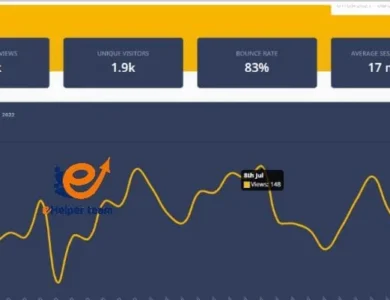
Bounce Rate: High rates suggest weak content or design.
Session Duration: Indicates engagement level.
Conversion Funnel Drop-offs: Show where improvements are needed.
Customer Lifetime Value (CLV): Predicts long-term profitability.
Continuous tracking ensures your strategies evolve with user behavior.
Budget-Friendly Conversion Strategies
Improving conversions doesn’t require a huge budget. Zero budget marketing strategies prove you can attract and convert visitors without costly ads.
Free Tactics That Work:
Email Campaigns: Build trust through personalized newsletters.
Referral Programs: Encourage existing users to bring in new ones.
Content Upgrades: Offer free tools in exchange for emails.
SEO Focus: Target long-tail keywords for qualified organic traffic.
These methods ensure even small businesses can grow conversions effectively.
Boosting SEO for Higher-Quality Visitors
Not all visitors convert equally. Those with strong intent are more likely to act.
SEO Trends in 2025:
Voice Search Optimization: Over 50% of searches are voice-based.
Semantic Keywords: Google rewards context-based answers.
Core Web Vitals: Technical speed and stability affect conversions.
Local SEO: Attracts nearby clients ready to buy.
Pairing SEO with conversion-focused strategies ensures traffic is both high-volume and high-quality.
Keeping Visitors Coming Back
Securing one conversion is good. Securing repeat visits is game-changing.
How to Encourage Return Visits:
Fresh Content: Publish updated guides and case studies.
Personalized Recommendations: Use data to suggest relevant content.
Community Engagement: Create loyalty programs or exclusive groups.
Improved UX: Ensure fast, smooth navigation.
Proven strategies for increasing traffic highlight that consistent value keeps audiences loyal.
Enhancing User Experience for Higher Conversions
One of the most overlooked elements in conversion optimization is user experience (UX). Even if your marketing strategies are strong, a poor browsing experience can cause visitors to leave before taking any action. In 2025, businesses are prioritizing seamless design and usability as part of their growth strategies.
Why UX Matters for Conversions:
First Impressions Count: A visually appealing and easy-to-navigate website creates immediate trust.
Mobile Responsiveness: With more than half of internet traffic coming from smartphones, a mobile-friendly design is critical.
Loading Speed: Research shows that delays of even one second can reduce conversions significantly.
Accessibility: Inclusive design that considers different abilities widens your potential audience and fosters loyalty.
Practical Tips to Improve UX:
Simplify your navigation menu so users can quickly find what they need.
Use consistent branding, color schemes, and typography to create familiarity.
Optimize page load times with compressed images and efficient coding.
Test your site across different devices and browsers to ensure a smooth experience for all users.
Gather user feedback through surveys and usability tests to continually refine your design.
By investing in UX, you not only reduce drop-offs but also create a more enjoyable and trustworthy environment that encourages users to take action.

Frequently Asked Questions (FAQ)
1. What does it mean to convert website traffic?
Converting website means turning casual visitors into engaged users who take meaningful actions such as signing up for a newsletter, making a purchase, or revisiting your site regularly.
2. How can I improve my website conversion rate in 2025?
Focus on building trust, creating clear calls-to-action, optimizing landing pages, and using personalization. Tools like retargeting ads and email marketing also help improve conversion rates.
3. Do I need a large budget to convert website traffic?
Not necessarily. Many free or low-cost strategies, such as email campaigns, referral programs, and SEO for long-tail keywords, can help you convert visitors without heavy spending.
4. Why is website traffic conversion more important than traffic volume?
Traffic volume shows how many people visit your site, but without conversion, those visits don’t generate business growth. Conversions turn visitors into paying customers or loyal readers.
5. How can social media help increase conversions?
Social media platforms allow businesses to build trust, retarget previous visitors, and guide users to optimized landing pages. Features like shoppable posts also drive direct sales.
6. What tools can I use to analyze conversions?
Analytics tools track bounce rates, session duration, funnel drop-offs, and customer lifetime value. These insights help you understand visitor behavior and refine your strategies.
7. How do I keep visitors coming back to my website?
Regularly publish fresh content, improve user experience, offer personalized recommendations, and create loyalty programs. These tactics build long-term engagement.
Conclusion
Converting website traffic into clients or frequent visitors is essential for long-term growth. By following actionable steps—attracting the right people, building trust, offering value, retargeting, and optimizing—you can turn random clicks into lasting relationships.
In 2025, success isn’t about how many people visit your site, but how many engage and return. Businesses that master conversion today will lead the future.