Freelance Work for People with Disabilities: How Abilities Center Opens Real Job Access
Freelance Work for People with Disabilities has become one of the most discussed employment models in recent years, but does it truly offer equal access to work opportunities, or is it just another trend that benefits only a few? As traditional workplaces continue to present physical, social, and technological barriers, many disabled professionals are questioning whether flexible work environments can genuinely replace conventional employment systems. Freelance Work for People with Disabilities is now positioned as a powerful alternative, offering autonomy, accessibility, and income stability for those previously excluded from the labor market.
What makes this shift so significant is not just the flexibility of freelancing itself, but the emergence of inclusive platforms and employment initiatives that focus on ability rather than limitation. Freelance Work for People with Disabilities allows individuals to work based on skills, experience, and creativity without facing inaccessible offices, rigid schedules, or workplace discrimination. This evolution has opened new doors for professionals who were once overlooked despite their qualifications and motivation.
Could structured support systems like Abilities Center Disability Job Access be the missing link between talent and opportunity? With a growing focus on inclusive employment opportunities, accessible job platforms, and remote work solutions, disabled professionals now have clearer pathways to economic independence. This article explores how freelance work is reshaping employment access, how the Abilities Center plays a vital role, and what steps individuals can take to build sustainable careers in today’s inclusive digital economy.


Freelance Work for People with Disabilities and Employment Accessibility
Freelance Work for People with Disabilities represents more than just working from home—it is a structural shift in how employment accessibility is defined. Unlike traditional jobs that require physical presence, strict schedules, and standardized environments, freelance work prioritizes output, skills, and results. This makes it especially suitable for individuals who face mobility challenges, chronic health conditions, sensory impairments, or neurodiversity-related barriers.
One of the most important advantages is the ability to create a personalized work environment. Freelancers can adapt their schedules, tools, and workflows to suit their physical and mental needs. This level of customization is rarely possible in conventional workplaces and is a core reason why workplace accessibility solutions are increasingly aligned with freelance models.
Key benefits of freelance accessibility include:
Flexible working hours tailored to energy levels
Remote work that eliminates transportation barriers
Assistive technology compatibility
Reduced social pressure and workplace stigma
Skill-based evaluation instead of physical presence
By removing structural barriers, freelance work allows disabled professionals to compete fairly, contribute meaningfully, and grow professionally without unnecessary limitations.
Understanding Abilities Center Disability Job Access
Abilities Center Disability Job Access is designed to bridge the gap between disabled talent and meaningful employment opportunities. Rather than functioning as a generic job board, it focuses on inclusive workforce development, skill matching, and long-term career sustainability. This approach ensures that individuals are not just placed into jobs, but supported throughout their professional journey.
The platform emphasizes ability-first hiring, where skills, experience, and potential take priority over physical limitations. This model aligns perfectly with freelance ecosystems, where performance and deliverables matter more than traditional employment metrics.
Core principles of Abilities Center include:
Equal access to digital employment opportunities
Skill-based job matching
Supportive onboarding processes
Career guidance for long-term growth
Community-driven professional support
Through these principles, Abilities Center Disability Job Access empowers individuals to explore freelance careers with confidence, structure, and clarity.
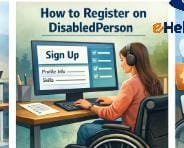
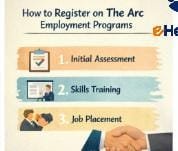
How to Register on the Abilities Center and Start a Freelance Career
Understanding how to register on the Abilities Center is a critical first step toward accessing inclusive freelance opportunities. The registration process is designed to be simple, accessible, and user-friendly, ensuring that individuals with varying abilities can navigate it independently.
The typical registration journey includes:
Creating a personal profile highlighting skills and experience
Identifying preferred work types and freelance categories
Uploading relevant qualifications or portfolios
Completing accessibility preference settings
Accessing available freelance and remote job listings
This structured process ensures accurate job matching while allowing users to maintain control over how they work. The focus is not on limitations, but on what each individual can offer professionally.
Freelance Skills in High Demand for Disabled Professionals
One of the reasons freelance work is so effective is the wide range of skills that can be monetized remotely. Many disabled professionals already possess valuable expertise but lack access to traditional job environments.
High-demand freelance skills include:
Digital content writing and editing
Graphic design and visual branding
Virtual assistance and administrative support
Data entry and data analysis
Web development and software testing
Online customer support
These roles emphasize productivity and quality, aligning well with remote employment for disabled individuals and allowing professionals to build careers without physical constraints.
Community Resources for Disabled Professionals
Community Resources for Disabled Professionals play a crucial role in long-term freelance success. Freelancing can sometimes feel isolating, especially for individuals transitioning from traditional employment or entering the workforce for the first time. Strong community networks provide mentorship, emotional support, and practical guidance.
Effective community resources often offer:
Peer-to-peer mentoring
Skill development workshops
Mental health and wellness support
Career coaching programs
Knowledge-sharing forums
By participating in supportive professional communities, freelancers gain confidence, expand their networks, and improve their chances of sustained success in inclusive job markets.
Challenges in Freelance Work and How to Overcome Them
While freelance work offers many benefits, it also presents challenges that must be addressed proactively. Common issues include income inconsistency, lack of benefits, and self-management difficulties.
Strategies to overcome these challenges:
Diversifying income streams across multiple clients
Setting structured work routines
Using productivity and accessibility tools
Building emergency financial plans
Seeking professional guidance and peer support
With the right strategies and support systems, freelance work becomes not only viable but sustainable.
Comparing Freelance Work and Traditional Employment for Disabled Professionals
When evaluating career options, many disabled professionals find themselves comparing freelance work with traditional employment. While both paths have advantages, freelance models often provide stronger alignment with accessibility and independence needs.
| Aspect | Freelance Work | Traditional Employment |
|---|---|---|
| Work Location | Remote and customizable | Fixed physical workplace |
| Schedule | Flexible and self-managed | Fixed hours |
| Accessibility | High adaptability | Limited accommodations |
| Performance Measurement | Skill and output-based | Attendance and presence |
| Career Control | Full autonomy | Employer-driven |
This comparison highlights why flexible work environments and remote job opportunities are increasingly preferred by professionals seeking autonomy and fairness. Freelancing allows individuals to design careers around their abilities rather than adjusting their abilities to rigid systems.
Economic Independence Through Freelance Careers
One of the strongest advantages of freelance careers is financial independence. Instead of relying on limited job openings or assistance programs, disabled professionals can generate income through skill-based services.
Freelancing enables:
Multiple income streams
Negotiation of fair compensation
Gradual career scaling
Global client access
Long-term financial planning
This model aligns with economic empowerment for disabled individuals, ensuring that professionals are valued for their contributions rather than their limitations. Over time, many freelancers transition from short-term projects to stable, recurring contracts that provide predictable income.
Real-World Case Study: Building a Sustainable Freelance Career
Consider a skilled digital content specialist with mobility challenges who struggled to maintain full-time office employment. Physical commuting, long hours, and inaccessible workplaces made career stability difficult.
By transitioning into freelance work through an inclusive employment platform, this professional was able to:
Work entirely remotely
Set flexible deadlines
Focus on high-value skills
Build a global client base
Achieve income consistency within one year
This example demonstrates how ability-focused hiring models combined with freelance flexibility can create meaningful, long-term career success. The key factor was not the disability itself, but the accessibility of the work structure.
Essential Tools That Support Freelance Work Accessibility
Technology plays a critical role in enabling freelance success. Freelance Work for People with Disabilities. With the right tools, disabled professionals can work efficiently, communicate clearly, and manage projects independently.
Common accessibility-supporting tools include:
Screen readers and voice-to-text software
Project management platforms
Time-tracking applications
Cloud-based collaboration tools
Adaptive hardware and software solutions
These tools contribute to digital accessibility in employment, ensuring that freelancers can perform at their highest potential regardless of physical or sensory limitations.
Building Long-Term Career Growth as a Freelancer
Freelance work is not just a temporary solution—it can be a long-term career path with growth opportunities. Successful freelancers continuously develop their skills, expand their networks, and refine their services.
Strategies for long-term growth include:
Upskilling in high-demand digital fields
Building a professional portfolio
Strengthening personal branding
Establishing long-term client relationships
Participating in professional communities
These practices support sustainable freelance careers and help professionals remain competitive in evolving job markets.
Why Inclusive Platforms Matter in Disability Employment
Inclusive platforms like Abilities Center Disability Job Access are essential because they address gaps that generic freelance marketplaces often overlook. Freelance Work for People with Disabilities: These platforms prioritize accessibility, support, and ethical hiring practices.
Their impact includes:
Reducing discrimination in hiring
Promoting fair pay structures
Offering tailored career guidance
Creating safe professional environments
Encouraging diversity and inclusion
Such platforms ensure that freelance opportunities remain equitable, transparent, and empowering for disabled professionals.
Future Trends in Freelance Work for Disabled Professionals
Freelance Work for People with Disabilities: The future of freelance employment is closely tied to technological innovation and evolving workplace values. As remote work becomes mainstream, accessibility is no longer optional—it is expected.
Emerging trends include:
Increased demand for remote-first talent
AI-powered accessibility tools
Greater emphasis on inclusive hiring policies
Expansion of global freelance economies
Stronger legal frameworks for accessibility
These trends reinforce the role of freelancing as a long-term solution for inclusive employment.

Frequently Asked Questions (FAQ)
Q1: Is freelance work suitable for all types of disabilities?
Yes, Freelance Work for People with Disabilities work can be adapted to a wide range of disabilities, especially when supported by accessible tools and flexible schedules.
Q2: Can freelance work provide a stable income?
With proper planning, diversified clients, and skill development, many freelancers achieve long-term income stability.
Q3: Do freelancers with disabilities need special qualifications?
No special qualifications are required beyond relevant skills and experience. Success is based on ability and performance.
Q4: How does the Abilities Center support disabled freelancers?
It provides structured access to inclusive opportunities, career guidance, and supportive professional environments.
Q5: Is freelance work recognized as real employment?
Yes, freelance work is a legitimate and growing form of professional employment worldwide.
Conclusion
Freelance Work for People with Disabilities is more than a modern employment trend—it is a transformative solution that removes barriers, empowers individuals, and reshapes workforce inclusion. Through structured platforms, supportive communities, and accessible technology, disabled professionals can build meaningful careers that align with their abilities and ambitions. As inclusive employment continues to evolve, freelance work stands as a powerful pathway toward equality, independence, and professional success.