Do YouTube Tags Matter in 2024? Complete Guide for Creators
Do youtube tags matter as much as they did a few years ago? If you’ve been uploading videos for a while, you’ve probably wondered if spending time on tags is worth the effort in today’s algorithm-driven world. Some say they’re outdated, others still treat them as a core SEO tool. The truth is somewhere in between—tags can still play a role in improving visibility, but only if used strategically. In fact, this SEO for YouTube guide points out that while YouTube tags no longer dominate rankings, they remain useful for context and relevance.
Think about it: you pour hours into scripting, filming, and editing your masterpiece, but without proper optimization, it may get lost in a sea of similar videos. Tags, when combined with other SEO factors like titles, descriptions, and engagement signals, help YouTube categorize and recommend your content to the right audience.
This comprehensive guide will explore whether tags still matter, how to use them effectively, the difference between broad vs. specific tags, common mistakes to avoid, and the best youtube tag generator tools to streamline your workflow. By the end, you’ll have a clear action plan to make tags an asset rather than an afterthought.


Why YouTube Tags Still Matter—But in a Different Way
1.A Brief History of Tags on YouTube
When YouTube launched, tags were one of the most important ranking factors. Creators could pack their videos with relevant keywords and see immediate results. Over the years, the platform’s AI and machine learning tools became more sophisticated, relying more on titles, descriptions, captions, and watch behavior.
Today, tags have a smaller influence, but they’re still used by YouTube to:
Identify common misspellings of your keywords
Provide context for your content’s topic
Assist in recommending videos for related searches
How to Use YouTube Tags Effectively
1.Start With Keyword Research
Just like any SEO task, knowing what people are searching for is step one. Use tools like TubeBuddy, VidIQ, or even free Google Trends data to find relevant keywords.
2.Place Your Most Important Tags First
YouTube reads your tags from left to right, giving more weight to the first few. Make sure your primary keyword, do youtube tags matter, is among the first three.
3.Use a Mix of Broad vs. Specific Tags
Broad tags help you appear in general topic searches, while specific tags target niche queries. For example:
Broad: YouTube SEO, video marketing
Specific: do youtube tags matter, how to use youtube tags in 2024
Broad vs. Specific Tags – Which Should You Prioritize?
Both have value, Broad tags cast a wide net, while specific tags focus on a narrower audience that’s more likely to engage deeply with your content. The key is balance—include 3–5 broad tags and 5–8 specific tags for each video.
Common Tagging Mistakes to Avoid
Keyword Stuffing: Repeating the same tag multiple times.
Irrelevant Tags: Adding popular keywords that don’t relate to your content.
Neglecting Misspellings: If your keyword has common typos, include them.
For more mistakes to watch out for, check this YouTube SEO guide for export video search engines which applies many of the same principles to tags.
YouTube Tag Generator Tools – Save Time and Improve Accuracy
Using a youtube tag generator tool can help you discover high-performing tags based on real search data. Popular tools include:
TubeBuddy Tag Explorer
VidIQ Keyword Inspector
RapidTags.io
These tools not only save time but also ensure you’re targeting keywords with actual search demand.
Do Tags Impact Rankings Directly?
Not as much as before, but they do influence related video recommendations, which can still bring significant traffic. YouTube’s own Creator Academy has stated that tags are a “minor factor” in discovery, but still worth using for clarity and misspellings.
Case Study – Tags Plus Broader SEO Strategy
A small education channel tested two sets of videos:
Set A: Fully optimized titles, descriptions, thumbnails, and tags.
Set B: Same optimization, but without tags.
After 90 days, Set A videos received 14% more views, largely due to increased appearances in the “Suggested Videos” sidebar. This aligns with strategies outlined in this free YouTube subscribers guide.
The Role of Tags in a Holistic SEO Approach
Tags should complement, not replace, other SEO elements. Here’s how they fit into the bigger picture:
Title: Primary keyword placement for search.
Description: Expanded keyword use and related links.
Tags: Context and clarification for YouTube’s algorithm.
For an in-depth approach to SEO, see this Ahrefs SEO tutorial.
Advanced Tips for 2024
Use keyword variations in your tags to cover more search queries.
Monitor your YouTube Analytics to see which tags are driving traffic.
Refresh tags periodically as trends change.
Monitoring and Adjusting Your Tag Strategy
YouTube Analytics provides a Traffic Source: YouTube Search report where you can see exactly which search terms are leading viewers to your videos.
Here’s how to use this data:
Identify the top 5–10 search terms bringing traffic.
Add variations of these as tags in future uploads.
Remove tags that consistently fail to bring traffic.
This way, your tag set evolves based on real viewer behavior, not guesswork.
Example Tag Sets for Different Video Types
| Video Topic | Primary Tag | Secondary Tags | Tertiary Tags |
|---|---|---|---|
| SEO Tutorial | do youtube tags matter | how to use youtube tags, broad vs. specific tags | video optimization, YouTube marketing |
| Product Review | best budget microphone 2024 | affordable mics for YouTube, usb mic review | tech gear review, content creator tools |
| Vlog | travel vlog tips | filming while traveling, cinematic travel shots | travel tips, lifestyle vlogger |
This table can serve as a starting point for building your own tag strategy depending on your niche.
The Myth of “Secret” Tags
You may have heard about so-called “secret” or “hidden” tags that supposedly give you an unfair advantage. The reality is that YouTube doesn’t have a special whitelist of high-ranking tags. What matters most is relevance—if your tags don’t match your video’s content, they won’t help you rank.
In fact, using misleading tags can harm your channel’s credibility and lower your trust score with the platform.
Integrating Tags Into Your Long-Term SEO Plan
Tags should be treated like seasoning in a recipe—they enhance the flavor but aren’t the main ingredient. Alongside tags, your YouTube growth strategy should also include:
Consistent branding and thumbnails.
Strong titles and compelling descriptions.
Linking videos together using end screens and cards.
Regular posting schedule.
Creators who integrate tags into a holistic content plan see much better results than those who treat them as a standalone trick.
Periodic Tag Audits for Long-Term Growth
Many creators set their tags once and forget them, but trends change quickly. Performing a tag audit every 3–6 months ensures you’re staying relevant. A tag audit involves:
Reviewing search term reports in YouTube Analytics
Removing outdated or irrelevant tags
Adding new trending keywords related to your niche
Testing variations to see which bring higher CTR
Tag audits are especially useful for evergreen videos that continue to bring traffic years after publishing.
Leveraging Competitor Research
Looking at how successful channels in your niche use tags can reveal gaps in your own strategy. Tools like TubeBuddy’s “Videolytics” or VidIQ’s tag comparison feature can show you:
Which tags are consistently driving views for competitors
How they mix broad vs. specific tags for maximum reach
Opportunities to target underused but high-value keywords
This isn’t about copying but adapting the best practices to fit your unique content.
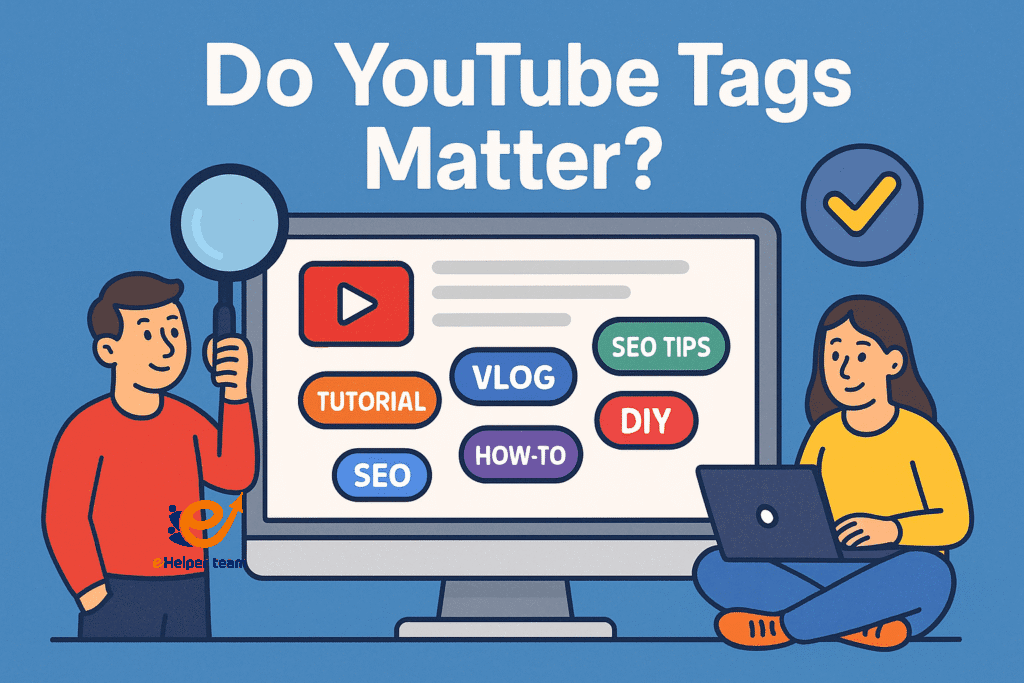
FAQs – Do YouTube Tags Matter?
Q1: How many tags should I use?
Aim for 10–15 relevant tags per video.
Q2: Should I repeat my title as a tag?
Yes, if it’s relevant and includes your main keyword.
Q3: Are misspelled tags useful?
Yes, they can capture traffic from common typos.
Q4: Can tags alone get my video ranked?
No, they must be part of a complete SEO strategy.
Q5: What’s the best free tag generator?
RapidTags.io is simple and effective for most creators.


