How to Build High-Quality Backlinks in 2025 for Better Rankings
build high-quality backlinks
In 2025, backlinks remain one of the most influential ranking factors in search engine optimization. While Google’s algorithms are more advanced today, backlinks still act as a vote of confidence, signaling authority and trust. A website with a strong backlink profile can attract thousands of visitors each month.
But building backlink has changed. Gone are the days of spamming directories or mass outreach emails. Today, you need a strategic approach that focuses on quality. This guide shares proven tactics for creating backlinks that help new websites compete with established ones.
Step 1: Assessing Your Domain Before Building Backlinks
Before rushing to build backlink, evaluate your domain. Not all sites can handle aggressive link-building, especially new ones.


Domain Age: Older domains can manage more backlinks daily, while new ones should stick to 1–2.
Existing Links: Tools like Ahrefs or SEMrush can help you analyze anchor text diversity.
Competitor Analysis: Studying rivals reveals patterns you can follow.
For practical guidance, watch this video on backlink analysis. Also, this article on using Ahrefs effectively explains competitor link tracking in detail.
Step 2: Choosing the Right Type of Backlinks
Not all backlinks are equal.
White-Hat Backlink: Guest posts, HARO mentions, editorial links.
Black-Hat Backlinks: Paid links, PBNs, automated systems.
Hybrid Strategy: A mix, often used in affiliate SEO.
If you’re starting a new site, consider these organic strategies to get backlinks without begging.
Step 3: Smart Outreach and Relationship Building
Outreach is key to building backlinks, but personalization is essential in 2025.
Tips for Outreach:
Research site owners and reference past work.
Offer value first: collaboration, content sharing.
Use multiple channels: email, LinkedIn, Twitter.
Mistakes to Avoid:
Generic templates.
Irrelevant sites.
Too many follow-ups.
For deeper insights, read why blogs often get no traffic.
Step 4: Common Backlink-Building Mistakes to Avoid
Many sites fail due to bad backlink strategies.
Avoid these mistakes:
Low-quality directories.
Over-optimized anchor text.
Chasing outdated PageRank.
Spammy outreach.
Step 5: Advanced Strategies for High-Quality Backlinks
Once the basics are mastered, advanced tactics can boost your backlinks.
Digital PR: Get featured in authority publications.
Skyscraper Technique: Create better versions of popular content.
Resource Page Links: Place your content in curated lists.
Broken Link Building: Offer your content as a replacement.
An excellent approach is creating an expert roundup post to gain natural backlinks from industry leaders.
Step 6: Monitoring, Analyzing, and Scaling Your Backlink Profile
Building is only half the job; monitoring them is equally important.
Metrics to Track:
Growth of referring domains.
Link quality and traffic relevance.
Anchor text distribution.
Lost links (recover them where possible).
Scaling means repeating what works—guest posting, PR, or outreach. To boost overall SEO, consider these free strategies to increase traffic in 2025.
Step 7: Creating Link-Worthy Content
No matter how refined your strategy is, you won’t gain lasting results unless you create content that others want to reference. Link-worthy content isn’t just about being long or detailed; it’s about being unique, valuable, and memorable.
Types of content that naturally attracts attention:
Comprehensive Guides: Step-by-step tutorials that solve problems better than anyone else.
Original Research: Data studies or surveys that others will cite in their own articles.
Infographics: Visual content that simplifies complex topics and is easy to share.
Case Studies: Real-world examples that demonstrate proven results.
The more value you provide, the higher the chance that industry experts and publications will reference your work.
Step 8: Leveraging Social Signals
While social signals aren’t a direct ranking factor, they strongly influence visibility. When your content is widely shared on platforms like LinkedIn, Twitter, or niche forums, it gains exposure to potential site owners who may link back to it.
How to boost social signals:
Repurpose your content into micro-posts and share regularly.
Engage with your audience by replying to comments and questions.
Partner with influencers who can amplify your content’s reach.
Social sharing is the bridge between visibility and link acquisition, creating natural growth.
Step 9: Building Partnerships and Collaborations
Collaboration can accelerate authority far faster than working alone. By teaming up with other site owners, bloggers, and businesses, you can tap into new audiences and earn links naturally.
Examples of collaborations:
Guest Posting Exchanges: Write for each other’s audiences.
Webinars and Podcasts: Co-host content that lives online permanently.
Co-Authored Content: Combine resources to produce unique, valuable material.
These partnerships help establish credibility and strengthen long-term relationships in your niche.
Step 10: Future-Proofing Your Strategy
The landscape of search is constantly evolving. What works today may not work tomorrow, so adaptability is critical. Future-proofing your approach means focusing on practices that align with search engine guidelines and building long-term credibility.
Ways to future-proof:
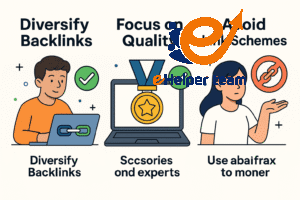
Focus on quality over quantity.
Avoid shortcuts or manipulative tactics.
Continuously update and improve your content.
Monitor algorithm updates and adjust quickly.
A sustainable strategy ensures that your site doesn’t just rise temporarily but stays strong even as the rules change.
Comparison Table: Old vs. Modern Link-Building Approaches
| Approach (Old) | Approach (Modern) |
|---|---|
| Submitting to web directories | Securing editorial mentions in niche sites |
| Bulk email outreach | Personalized outreach and collaboration |
| Chasing PageRank | Focusing on domain relevance & authority |
| Buying links in bulk | Creating shareable, high-quality content |
| One-time campaigns | Continuous, sustainable link acquisition |
Case Study (Mini Example)
A small e-commerce website started with just three guest posts per month and a focus on publishing high-quality guides. After six months, organic traffic grew by 300%, proving that a slow, steady approach can outperform aggressive tactics.
Additional Insights and Resources for 2025
1. Statistics & Data Points
Add recent numbers from SEO studies to boost credibility:
“65% of digital marketers confirm that link strategies remain the top ranking factor in 2025.”
“Websites with diverse link profiles are 75% less likely to be penalized.”
Add recent numbers from SEO studies to boost credibility:
“65% of digital marketers confirm that link strategies remain the top ranking factor in 2025.”
“Websites with diverse link profiles are 75% less likely to be penalized.”
2. Expert Quotes
Short quotes from SEO leaders (Moz, Ahrefs, SEMrush, etc.) give authority:
“Links are still the internet’s trust currency, but quality now outweighs quantity.” – SEO Expert
3. Common Myths Section
A quick myth-busting part makes the article more practical:
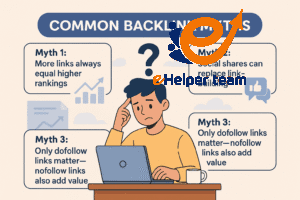
Myth 1: More links always equal higher rankings.
Myth 2: Social shares can replace link-building.
Myth 3: Only dofollow links matter—nofollow links also add value.
4. Glossary of Key Terms
For beginners, a small glossary helps:
Anchor Text – The clickable words in a hyperlink.
Domain Authority – A score predicting a site’s ability to rank.
Referral Traffic – Visitors coming from external websites.
5. Timeline or Roadmap Graphic
Show a clear 6-month roadmap:
Month 1–2: Audit & competitor analysis.
Month 3–4: Content creation & guest posts.
Month 5–6: Digital PR & scaling efforts.
6. Expanded FAQs
Add a few more practical questions:
Do nofollow links still matter in 2025?
How do I measure ROI from link campaigns?
What’s the difference between editorial and resource links?
7. Downloadable Resource
Offer something extra:
A PDF checklist with steps to follow.
An outreach email template for beginners.
A tracking sheet to monitor progress.
FAQs About Backlinks in 2025
1. Are backlinks still important in 2025?
Yes, they remain a core ranking factor.
2. How many backlinks per day are safe?
1–2 daily for new sites, 5–10 for aged domains.
3. What’s the safest type of backlinks?
Guest posts, HARO mentions, and editorial placements.
4. Are PBNs safe for backlinks?
They work short-term but carry risk.
5. How do I analyze competitor backlinks?
Use Ahrefs or SEMrush to check anchor text ratios.
6. How long until backlinks show results?
Usually 3–6 months depending on competition.
Conclusion: Building a Sustainable Backlink Strategy
In 2025, backlinks are still vital. The key isn’t in quantity but in building high-quality backlinks that signal trust and authority.
Stay consistent, avoid shortcuts, and keep analyzing your backlink profile. This ensures steady rankings and long-term growth
Also: 20 Best Guest Posting Sites to Submit Guest Posts