Backlinks Advantages and Disadvantages: Powerful SEO Insights for 2025
In the world of digital marketing, few terms have stood the test of time quite like backlinks. As of 2025, they remain one of the most debated and valuable elements of search engine optimization (SEO). While some experts argue that backlinks are losing weight due to Google’s advanced AI-driven algorithms, others maintain that they are still the backbone of ranking strategies.
So, what makes backlinks such a powerful yet controversial SEO tool? And how can businesses, bloggers, and marketers use them effectively without falling into the pitfalls of spam or over-optimization? In this comprehensive guide, we’ll dive deep into the advantages and disadvantages of backlinks, exploring how they shape visibility, trust, and long-term digital growth.
What Are Backlinks and How Do They Work?
Backlinks, also known as inbound or external links, are links from one website to another. When a reputable site links to your content, it acts as a digital “vote of confidence” in your authority. Search engines like Google consider these signals when determining how trustworthy and relevant your site is for certain keywords.

The Role of Backlinks in Search Engine Ranking
Search engines analyze backlinks as part of their ranking algorithms. The more high-quality backlinks your page earns, the more likely it is to appear on the first page of results. However, not all backlinks are created equal. A single authoritative link from a respected domain can outweigh dozens of low-quality ones.
Types of Backlinks: Do-Follow vs No-Follow
Do-Follow Links: Pass SEO authority (or “link juice”) to your site.
No-Follow Links: Do not directly impact ranking but still provide referral traffic and visibility.
Understanding this distinction helps marketers focus on acquiring links that provide measurable SEO benefits while also valuing no-follow links for brand exposure.
Advantages for SEO Success
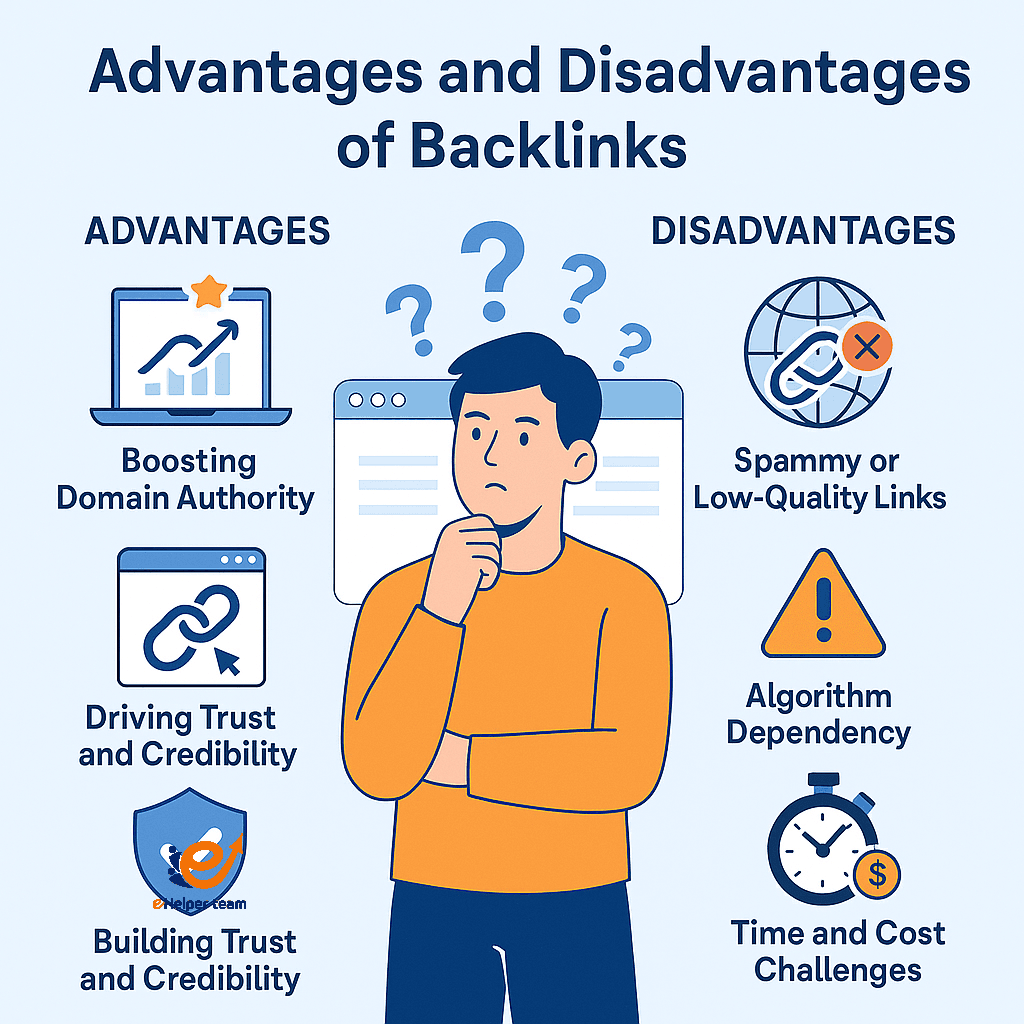
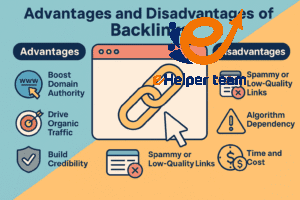
External links, when managed correctly, bring a wide range of benefits. Let’s break down the major advantages:
1.Boosting Domain Authority and Visibility
Search engines use domain authority as a ranking factor. Websites with high-quality references from other sites tend to enjoy higher authority, which directly improves their visibility across search results.
2.Driving Targeted Organic Traffic
When a link comes from a relevant website in your niche, it not only improves your SEO but also sends targeted visitors who are already interested in your content or services. This increases engagement, reduces bounce rates, and boosts conversion potential.
3.Building Trust and Industry Credibility
Mentions from recognized industry leaders establish your website as a trustworthy source. This credibility is vital in competitive industries like finance, health, and technology.
Disadvantages You Shouldn’t Ignore
While external links are powerful, they’re not without risks. Here are the main drawbacks:
1.The Risk of Spammy or Low-Quality Links
Not all links are good ones. Connections from spammy directories, irrelevant forums, or link farms can actually harm your rankings. Google penalties for unnatural patterns remain a serious threat in 2025.
2.Dependency on Algorithm Changes
Google’s algorithms evolve constantly. What works today in link-building strategies may be devalued tomorrow. This unpredictability means marketers can’t rely solely on them for long-term SEO.
3.Time and Cost Challenges
Earning quality links requires effort—whether through guest posting, digital PR, or influencer outreach. These strategies can be time-consuming and often costly, making them less accessible for small businesses.
Smart Strategies to Maximize Benefits
External references can be incredibly rewarding if approached strategically.
1.Ethical Practices
Avoid black-hat techniques such as buying links. Instead, focus on genuine relationship building, creating share-worthy content, and networking within your niche.
2.Leveraging Guest Posts and Collaborations
Guest posting remains a proven method to earn recognition. Writing high-value content for another site allows you to gain exposure while building a strong profile.
3.Using Video Content and Tutorials
Video is one of the fastest-growing formats for generating visibility. Tutorials, explainer videos, and industry insights often attract citations from blogs and websites. A great example is this SEO-focused video that highlights link-building best practices—perfect for businesses looking to stay ahead of the curve.
The Future in SEO
Links will continue to matter in 2025 and beyond, but their role is evolving.
AI, Content Quality, and Evolving Value
Search engines are prioritizing content quality, user intent, and semantic relevance. While references still boost rankings, the focus is shifting to context rather than sheer quantity.
Alternatives and Complementary Ranking Factors
Core Web Vitals, user experience, and E-E-A-T (Experience, Expertise, Authoritativeness, Trustworthiness) are gaining importance. This means links must work alongside these factors, not as the sole driver of SEO.
Real-World Case Studies in 2025
Sometimes the best way to understand their impact is through real-world examples. In recent years, many businesses and bloggers have demonstrated how strategic efforts can drive massive growth.
Tech Startup Success Story
A small AI software startup launched a blog focusing on solving industry-specific problems. Within six months, its content was cited by major tech publications such as TechCrunch and VentureBeat. As a result, the company’s site jumped from page three to the first page for more than 20 competitive keywords.Educational Blog Growth
An educational website published an in-depth, interactive guide for students. The guide was referenced by several universities and non-profit organizations, generating hundreds of high-quality citations. Not only did this improve rankings, but organic traffic tripled within a year.E-Commerce Store Expansion
A health products e-commerce store partnered with influencers on YouTube and Instagram. These collaborations naturally earned mentions from lifestyle blogs and product review sites. Within 12 months, online sales grew by 45%, showing how strategic efforts can directly impact revenue.
Modern Tools and Techniques for Management in 2025
As search algorithms evolve, relying on guesswork in link-building is no longer enough. Today, advanced tools help businesses monitor, manage, and optimize their strategies.
Ahrefs – Industry-leading tool for analyzing profiles and spotting toxic connections.
SEMrush – Uses AI to recommend new opportunities based on your content.
Google Search Console – Essential free tool for monitoring inbound sources.
Moz Link Explorer – Provides domain and page authority metrics.
Toxic Link Audit Tools – AI-driven platforms that detect harmful patterns and suggest disavowal steps.
These tools give marketers a sharper edge, ensuring that external references contribute to growth instead of exposing them to risks.
FAQs About Backlinks
1. Are backlinks still important for SEO in 2025?
Yes, backlinks remain a key ranking factor, though their influence is balanced with content quality and user experience.
2. What’s the difference between high-quality and low-quality backlinks?
High-quality backlinks come from authoritative, relevant websites. Low-quality links from spammy sources can hurt rankings.
3. Can no-follow backlinks help SEO?
While they don’t pass ranking authority, no-follow backlinks bring traffic, exposure, and brand visibility.
4. How can I avoid Google penalties from backlinks?
Focus on natural, organic link-building. Avoid paid links, spammy directories, and irrelevant link exchanges.
5. How long does it take for backlinks to impact rankings?
Results vary, but typically it takes 2–3 months to see measurable improvements.
6. Are backlinks the only way to rank higher on Google?
No, they are one factor among many. Content quality, page speed, and user experience are equally critical.
Conclusion: Balancing Backlink Advantages and Disadvantages
Backlinks are both a blessing and a challenge. When used ethically, they can elevate your authority, drive targeted traffic, and solidify your online reputation. However, ignoring the risks of low-quality links or over-relying on them can be costly.
The smartest approach in 2025 is balance: prioritize quality over quantity, diversify your SEO efforts, and integrate backlinks with content, user experience, and technical SEO. By doing so, you’ll harness the full power of backlinks while safeguarding your site from risks.
Also: 20 Best Guest Posting Sites to Submit Guest Posts